

DJI Mini 4K Drone Review: Features, Performance, and Verdict
The DJI Mini 4K is one of the easiest drones to recommend to beginners because it removes several of the usual barriers. It is small, foldable, simple to fly, and capable of producing stabilized 4K footage that looks far better than most entry-level drones. It also weighs under 249 g, a threshold that simplifies recreational ownership in many countries and regions, though pilots still need to follow local rules.
DJI lists the Mini 4K with 4K/30fps video, 4x digital zoom, 10 km video transmission, a 31-minute maximum flight time, Return to Home, QuickShots, Panorama, and 38 kph Level 5 wind resistance. That is a serious feature set for a compact drone at an accessible price. It gives first-time pilots a real camera platform rather than a toy that happens to fly.
The biggest limitation is equally important: the DJI Mini 4K does not include obstacle avoidance sensors. New pilots still need patience, open space, and good habits. It also requires a microSD card for full-quality 4K capture, and Android users may need to download the DJI Fly app directly from DJI if it is not available through their normal app store. With those caveats understood, the Mini 4K is a terrific starter drone for travel, family moments, landscapes, and creative learning.
Pros
- Under-249 g weight makes the drone compact and regulation-friendly in many regions.
- 4K/30fps video and a 3-axis gimbal deliver smooth, sharp footage.
- DJI O2 transmission supports up to 10 km of HD video transmission in ideal conditions.
- Up to 31 minutes of rated flight time gives beginners enough time to compose shots.
- QuickShots, Panorama, one-tap takeoff, stable hovering, and Return to Home reduce the learning curve.
- Level 5 wind resistance and 4000 m max takeoff altitude expand where it can fly.
- Foldable design is easy to pack for travel and day trips.
Cons
- No obstacle avoidance sensors, so careful flying is required around trees, wires, and buildings.
- A microSD card is needed for full 4K recording and is not included in the base kit.
- Single-battery kits can feel limiting for longer shooting sessions.
- Phone-based controller setup means no built-in display unless upgrading controllers.
- Small camera sensor is best in daylight and less impressive in low light.
- DJI Fly app setup may be less convenient for some Android users.
Small Drone, Real 4K Camera Results
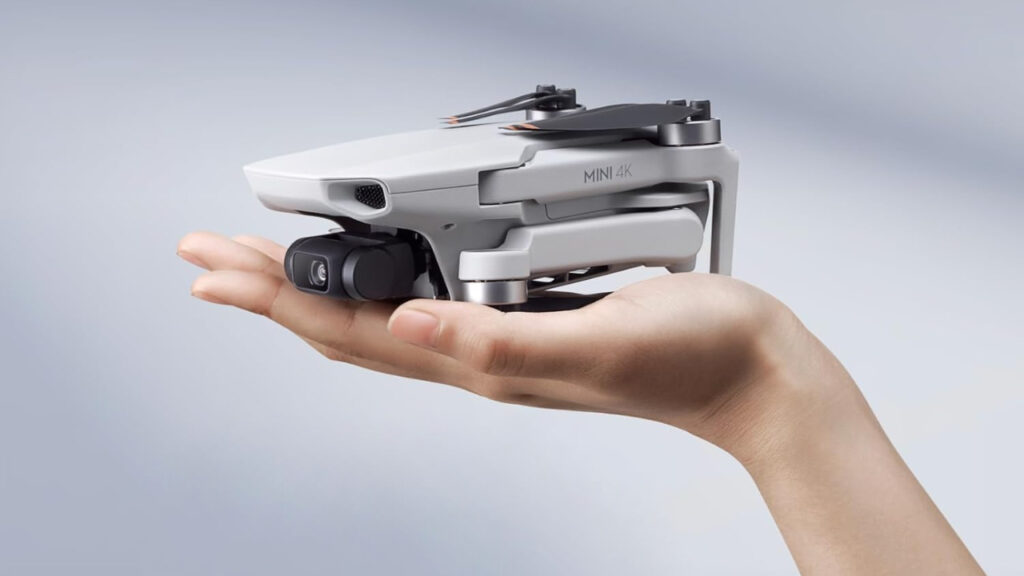
Image credit: DJI
The DJI Mini 4K’s central promise is simple: beginner-friendly flight with footage that looks genuinely cinematic. The 4K/30fps camera is paired with a 3-axis mechanical gimbal, which is the feature that separates it from cheaper beginner drones. Electronic stabilization can only do so much when a drone is being nudged by wind. A real gimbal physically stabilizes the camera, helping footage look smooth while flying forward, turning, or hovering for a reveal.
For family vacations, hikes, neighborhood shots, real estate-style clips, or social media videos, 4K/30fps is more than enough. It gives users room to crop and edit, and it preserves detail better than 1080p. DJI also includes 4x digital zoom, which can be useful for framing but should be used carefully because digital zoom can reduce detail.
The sensor is not built for professional low-light cinematography. Like many small drones, the Mini 4K looks best in daylight, golden hour, and evenly lit outdoor scenes. Low light can introduce noise and softness. That does not make the camera weak; it simply means expectations should match the drone’s size and price.
The fun part is how quickly beginners can get usable results. QuickShots such as Dronie, Helix, Rocket, Circle, and Boomerang let the drone perform polished camera moves with minimal setup. Those modes are ideal for dads who want impressive footage without spending months learning manual flight patterns.
Flight Range, Battery Life, and Real-World Control
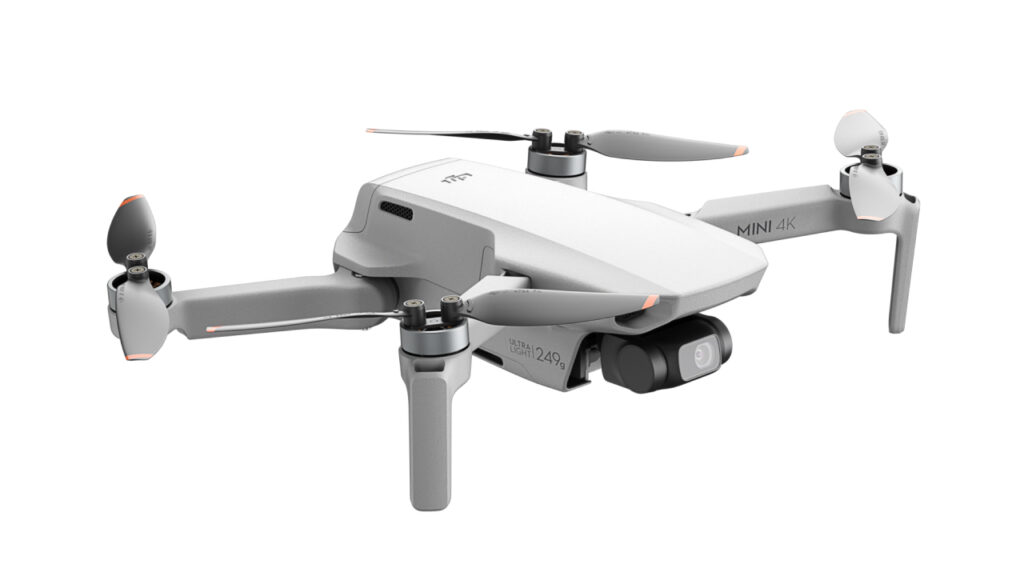
Image credit: DJI
DJI lists the Mini 4K with up to 10 km of video transmission using DJI O2, tested under open, interference-free conditions. Most pilots will never need to fly anywhere near that far, and local rules often require visual line of sight. The real benefit is signal confidence. A drone with a strong transmission system is less likely to feel twitchy or fragile when flying at normal distances in parks, fields, waterfront areas, or open landscapes.
The rated 31-minute flight time is also a lab maximum. DJI notes that flight time is measured in controlled conditions at a constant speed in a windless environment. Real-world battery life is usually lower, especially when filming, climbing, hovering, or flying in wind. A practical expectation is closer to 20 to 25 minutes per battery for normal use.
That makes the Fly More Combo worth considering. Extra batteries turn the drone from a quick novelty into a real outing tool. With one battery, Dad may spend half the session worrying about getting the shot before landing. With two or three batteries, there is room to practice, reframe, and wait for better light.
Wind resistance is another meaningful spec. DJI lists 38 kph Level 5 wind resistance and a 4000 m max takeoff altitude. Those numbers help in breezy travel locations, but they do not make the drone invincible. Beginners should still fly conservatively, especially over water, near ridges, or with a headwind on the return trip.
Beginner Features That Reduce the Learning Curve
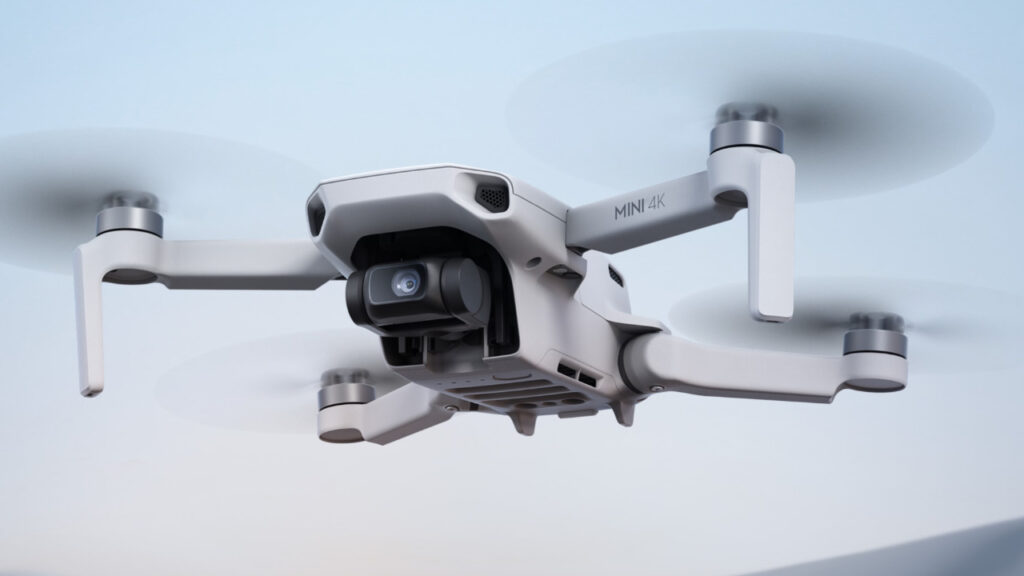
Image credit: DJI
The DJI Mini 4K is beginner-friendly because it combines stable hovering, GPS support, one-tap takeoff and landing, Return to Home, tutorials, and automated shooting modes. These features do not replace learning, but they reduce early mistakes. Return to Home is especially important because it gives the pilot a safety net if connection drops, battery gets low, or orientation becomes confusing.
The included RC-N1C style controller uses a smartphone as the live display. That setup keeps cost down and works well once configured. It also means the phone needs to be charged, bright enough for outdoor viewing, and compatible with the DJI Fly app. iPhone users can generally install through the App Store. Android users may need to sideload the app from DJI’s website depending on their device and region, which is a hurdle some less tech-comfortable users should know about.
The lack of obstacle avoidance is the biggest beginner caveat. The Mini 4K can hover, return, and fly smoothly, but it cannot fully protect itself from trees, wires, branches, walls, or posts. A new pilot should start in a wide-open area, practice orientation, learn how wind affects flight, and avoid flying backward or sideways near obstacles.
DJI includes useful accessories such as a gimbal protector, spare propellers, screws, cables, and a screwdriver. A microSD card is not included, and DJI specifically notes that the drone needs one to unlock full creative functions and original 4K files.
Who Would Enjoy the DJI Mini 4K?
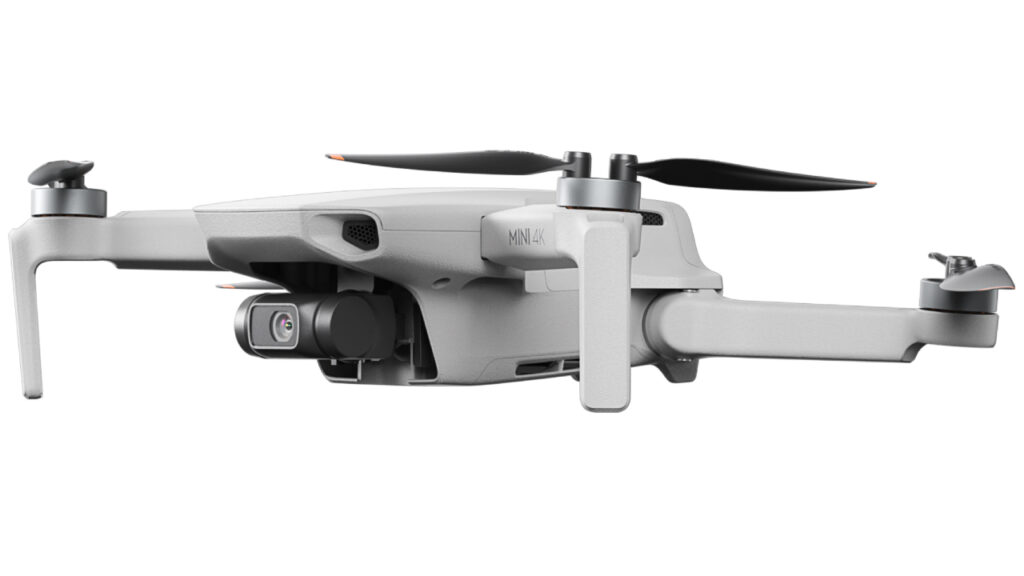
Image credit: DJI
The DJI Mini 4K is a strong fit for first-time drone owners who care about video quality. It is a better buy than bargain toy drones because it gives new pilots stable flight, a proven app ecosystem, a real gimbal, and DJI’s mature camera-drone experience. It is also a smart Father’s Day gift for dads who travel, hike, fish, camp, attend outdoor family events, or like experimenting with photography.
It is not the right drone for every pilot. Someone who wants obstacle sensing, vertical video features, advanced tracking, or a larger camera sensor may need to move up to DJI’s higher-end Mini models. Professionals shooting in tough lighting or complex environments will want more camera control and stronger safety systems.
For the typical hobbyist, though, the DJI Mini 4K hits a compelling price-performance point. It is light enough to bring along spontaneously and capable enough to produce footage people will actually want to keep.
The DJI Mini 4K review verdict is that it is one of the most practical entry points into real aerial photography. The package becomes much stronger with a microSD card, extra batteries, and a careful first-flight plan.
Conclusion: Should You Buy the DJI Mini 4K?
The DJI Mini 4K is a standout beginner drone for anyone who wants stabilized 4K footage without carrying a larger, more expensive aircraft. It is easy to pack, easy to learn, and capable enough for travel, family memories, and creative practice.
Buy it for a dad who loves gadgets, photography, travel, or outdoor adventures. Skip it for someone who needs obstacle avoidance, professional low-light capture, or a drone that can be flown casually without learning airspace and safety basics.