
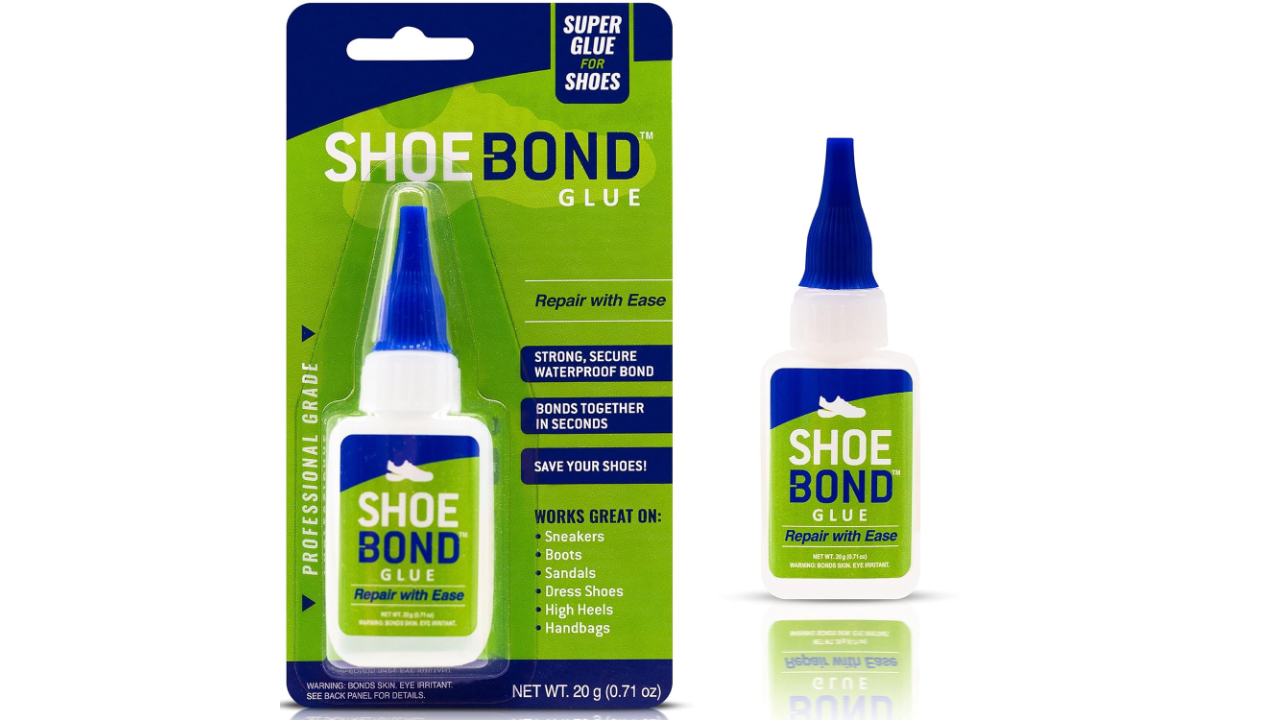
SHOE BOND Shoe Glue Review: Fast, Flexible Footwear Repair
SHOE BOND Shoe Glue is built for the kind of repair most people actually need: saving a pair of shoes before a small problem turns into a replacement purchase. It is a clear, waterproof, quick-setting adhesive made for hiking boots, sneakers, sandals, heels, and other footwear, with a flexible finish that is designed to move with the shoe instead of turning rigid after it dries. For anyone trying to extend the life of everyday footwear without a complicated shop setup, this is a very practical place to start.
Pros
- Clear, waterproof, rubber-toughened formula that is designed to stay flexible after drying, which is a smart fit for shoes that bend all day.
- High viscosity and a precision tip applicator make it easier to place the adhesive where it is needed, especially along sole edges and small repair areas.
- Fast handling time, with bonding described in about 30 seconds and secure holding guidance of 10 to 45 seconds, supports quick at home fixes.
- The compact 0.71 fluid ounce tube is small, but it is stated to cover up to 20 shoes, which gives it respectable reach for routine repairs.
Cons
- The small tube is practical for spot repairs, but it is not the sort of supply you would choose for major rebuilds or repeated large-scale work. That is a practical limitation of the package size.
- The compatibility focus is on leather and rubber, so this is best suited to the footwear materials highlighted on the listing rather than every possible surface.
- The quick set profile leaves less room for hesitation, so careful alignment is important once the surfaces touch.
Built For Fast Repairs, Not Fuss
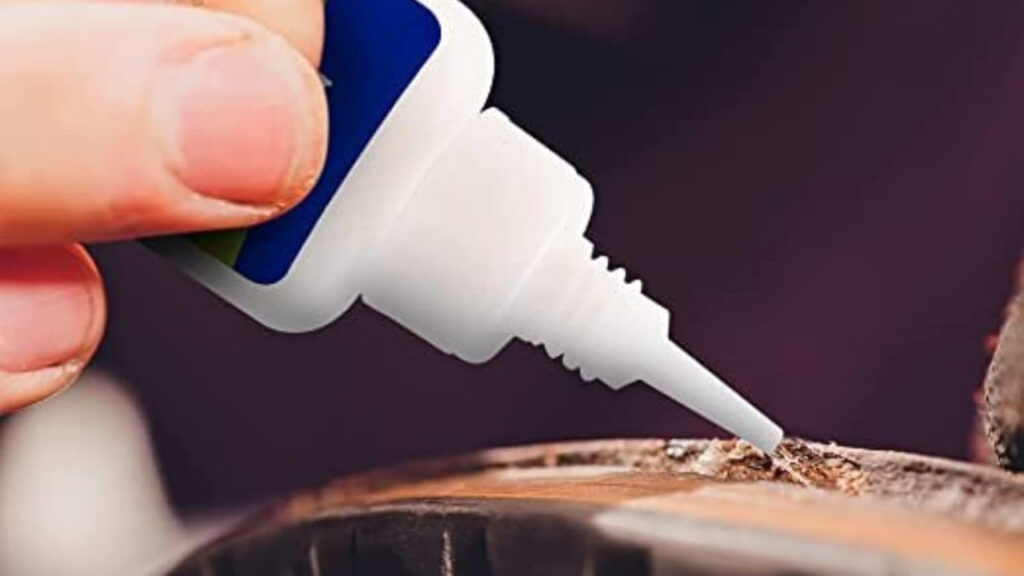
Image credit: SHOE BOND
The core appeal here is straightforward. SHOE BOND is a liquid shoe adhesive with a clear finish, a tube container, a high viscosity formula, and waterproof performance built into the product description. It is positioned as a professional grade option for shoe repair, and the material focus on rubber plus leather fits the kind of wear points most people actually end up fixing, from separated soles to lifted trim and small bond failures. The clear color is also useful when the repair has to disappear rather than announce itself.
The package is small, but the company ties that size to real utility. The tube contains 0.71 fluid ounces, and the product claims enough adhesive for up to 20 shoes. That is a useful amount for the average household that only needs an occasional repair, though it is plainly more of a maintenance tool than a full workshop supply. In long view terms, that is the right tradeoff for a product meant to live in a drawer until a heel starts peeling or a sole edge opens up.
There is also a meaningful amount of user trust visible at the listing level. The product shows a 4.5-star average from 3,816 ratings, and it carries Amazon’s Choice labeling on the page. That does not guarantee the right outcome for every repair, but it does suggest the product has been used widely enough to give shoppers a credible baseline of confidence.
How It Handles in Actual Use
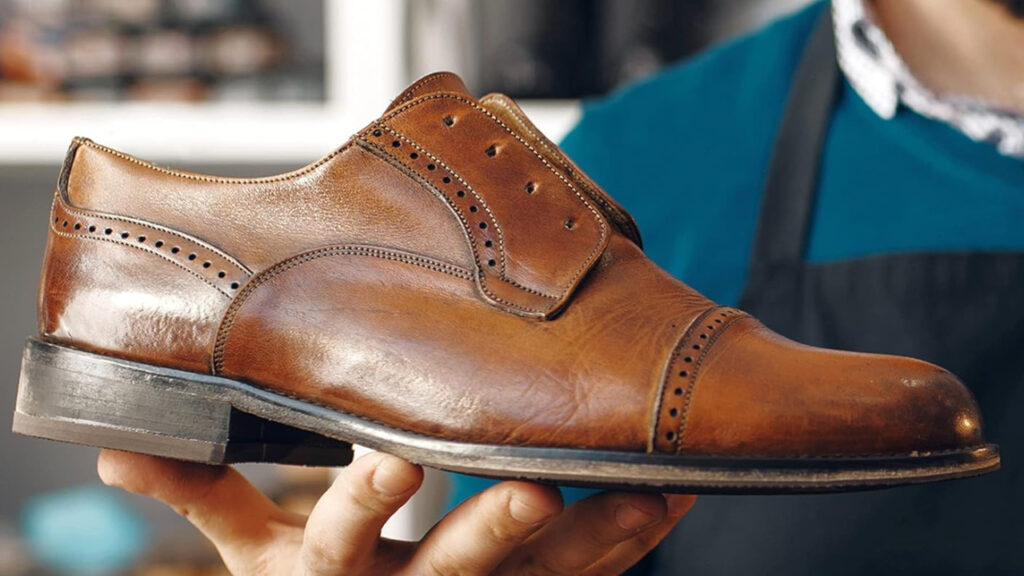
Image credit: SHOE BOND
In everyday repair terms, the speed is the headline feature. The official guidance says to clean and dry the surfaces, apply a thin layer, press the parts together, and hold them securely for 10 to 45 seconds. The listing also frames the bond as taking about 30 seconds. That is fast enough to be genuinely convenient, especially for people who want to get back to wearing a pair of shoes the same day instead of treating the repair like a weekend project.
The real advantage of that fast grab is paired with flexibility. The formula is rubber toughened and designed to remain flexible after drying, which is exactly the kind of behavior footwear asks for. Shoes do not sit still once they are worn. They flex at the forefoot, twist at the midsole, and take repeated impact at the heel. A bond that can move with that cycle is a sensible engineering choice for a product aimed at soles, uppers, and seams.
What that also means is that the product rewards people who are careful the first time. A quick setting adhesive is efficient, but it gives you less time to fuss with alignment once the surfaces meet. For simple sole separation, that is a fair exchange. For more ambitious repairs, the speed and small capacity make it better suited to targeted fixes than to elaborate restoration jobs. That is not a weakness so much as a reminder that the tool is built for a specific job and does it with focused intent.
Storage and Practical Limits
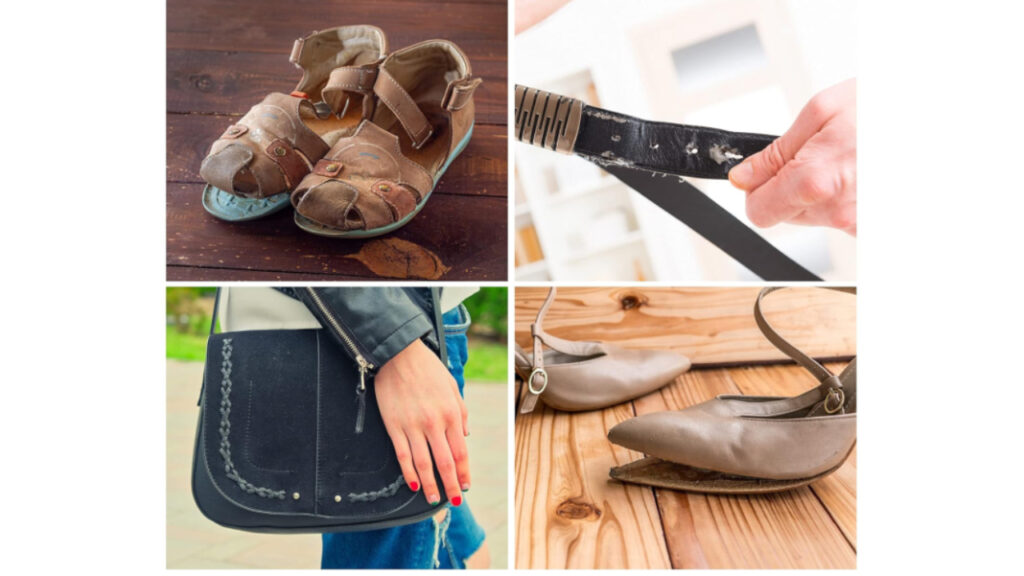
Image credit: SHOE BOND
Setup is refreshingly uncomplicated. Clean, dry surfaces, a thin application, a short press, and a cloth to clear excess are the complete recipe on the official site. That makes the product approachable for casual users who do not want a messy repair ritual or a box full of specialized accessories. The precision tip should help here as well, since controlled placement is half the battle when you are trying to keep clear adhesive off visible surfaces.
The small tube is convenient for storage and easy to keep on hand, but it also sets the boundaries of the product. This is a footwear adhesive first, not a universal repair compound, and its stated material focus remains leather and rubber. In practical terms, that means it fits the most common shoe repair needs very well, while buyers with unusual materials or larger structural damage should treat it as a specialist tool rather than an all-purpose fix.
There is something old school about a product like this, in the best sense. It is a simple, purpose-built fix for a problem that used to send shoes straight to the back of the closet. The difference is that this one does the job with a clearer adhesive, faster handling, and a more flexible finish than the brittle glue jobs people remember from years ago. That combination is exactly why it earns a place in a practical repair kit.
Conclusion: Should You Buy SHOE BOND Shoe Glue?
SHOE BOND Shoe Glue is a sensible buy for anyone who wants a fast, waterproof, flexible adhesive for routine shoe repairs, especially on leather or rubber footwear. Its strengths are the precision applicator, quick set time, and compact but useful tube size, while its main limitations are its narrow material focus and modest capacity for bigger jobs. For everyday sole fixes and light restoration work, it is an easy recommendation; for larger repairs or broader material needs, a different adhesive may be the better fit.