
Uniden R3 Review: Long Range Radar Precision With Street Smart Filtering
The Uniden R3 is a high-performance radar detector built for drivers who want long range detection, strong filtering tools, and GPS based intelligence without stepping into overly complicated territory. In this Uniden R3 Review, we are looking at a device aimed at people who spend real time on the road and want early warnings for radar and laser threats while keeping false alerts under control.
It is designed for drivers who value range, customization, and reliable alerting across highway and city environments. With GPS features, voice alerts, and advanced filtering, it focuses on helping drivers stay informed without constant unnecessary noise in the cabin.
Pros
- Extremely long-range radar detection capability designed for early warning on highway speeds
- GPS enabled false alert lockouts that reduce repeat notifications in known false alert locations
- Wide band radar coverage including X, K, and Ka bands plus laser detection support
- Customizable alert settings and sensitivity controls for different driving environments
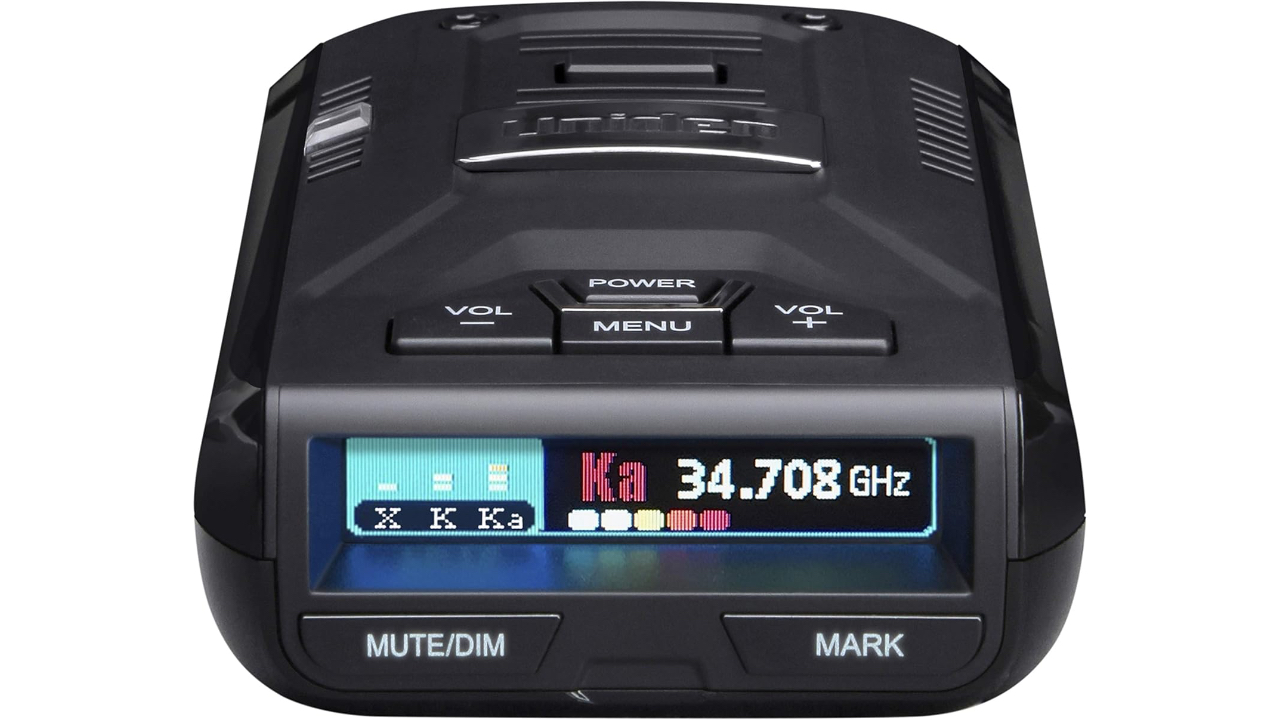
- OLED display with clear visibility and voice alert support for hands free awareness
- Firmware update support through USB connection for ongoing performance improvements
Cons
- No directional arrows for signal source identification
- Laser detection offers warning capability but not laser speed measurement resistance
- GPS features require initial setup and manual lockout management for best results
- Advanced settings can feel overwhelming for casual or first-time users
Built For Distance, Tuned for Awareness
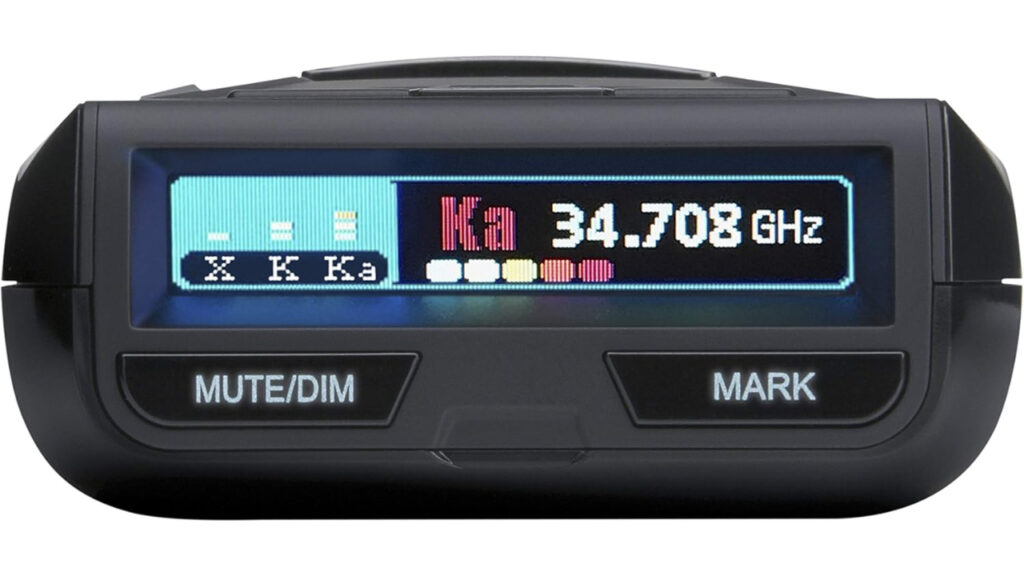
Image credit: Uniden
The Uniden R3 is engineered around long range radar detection, meaning it is designed to pick up radar signals at significant distances before they become a direct threat to your driving speed. It monitors the full set of commonly used radar bands including X, K, and Ka, along with laser detection support. This wide frequency coverage is what allows it to stay alert across different enforcement technologies without requiring the driver to constantly adjust or second guess what it is sensing.
Where things get more intelligent is in how it processes repeat signals through GPS integration. Once the device learns a location where a false alert consistently occurs, it can store that point and automatically reduce or silence future alerts from that same spot. Over time, this builds a more refined driving experience where the detector becomes less noisy in familiar environments while still staying sensitive to new threats.
The alert system itself is built to prioritize clarity. Visual cues on the OLED display are paired with voice announcements that identify the type of radar band detected. That combination helps reduce the need to visually interpret every alert, especially in fast moving traffic situations where attention should stay on the road rather than the device.
Design That Keeps Things Clean and Functional
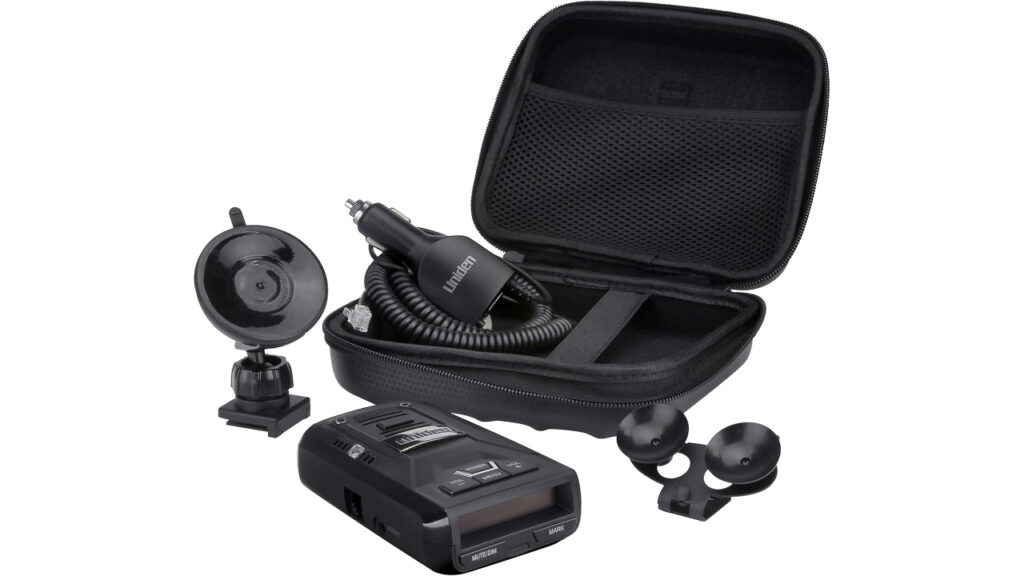
Image credit: Uniden
The physical design of the R3 is intentionally minimal without feeling stripped down. The OLED display is bright, crisp, and easy to read in both daylight and nighttime conditions. It communicates signal strength, band type, and alert status in a way that is structured but not cluttered, so drivers can quickly understand what is happening without digging through menus mid drive.
Controls are kept simple and direct, with a focus on quick access functions like mute, menu navigation, and sensitivity adjustments. Instead of overwhelming the user with physical buttons, the interface prioritizes a streamlined layout that supports quick learning while still allowing deeper customization when needed. This balance is important for a device that can be as simple or as detailed as the user wants it to be.
Voice alerts add another layer of usability by delivering real time audio feedback about detected signals. This reduces the need for constant visual monitoring and helps maintain awareness in situations where looking away from the road would be unsafe. Power is handled through a standard vehicle connection, and software updates can be installed through USB, allowing the device to evolve over time without replacing hardware.
How It Performs on The Road
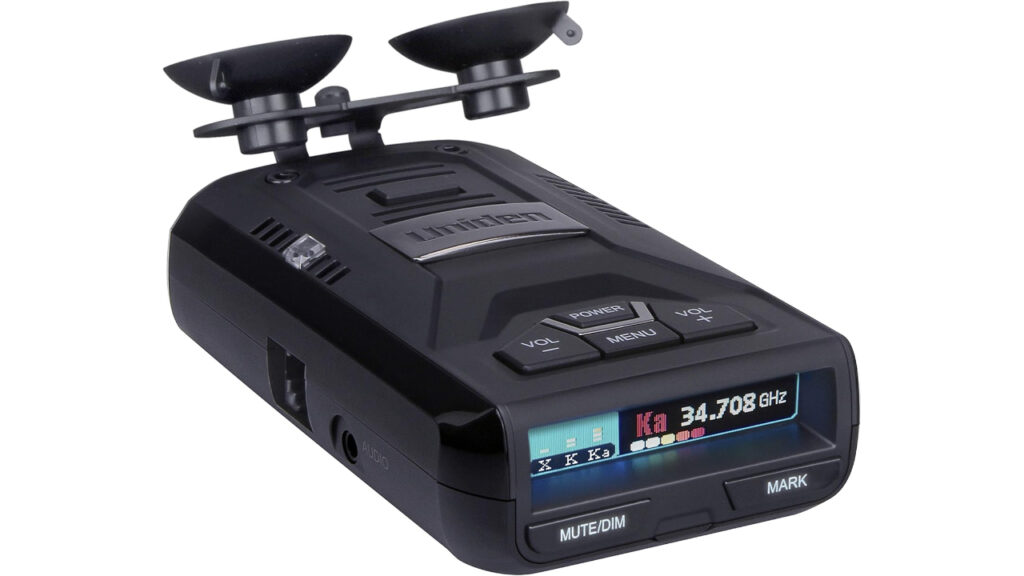
Image credit: Uniden
On the road, the R3 is built to prioritize early detection, which is especially noticeable in open highway environments where signal distance gives drivers more time to react. Its high sensitivity platform is designed to pick up radar signals early, giving advance notice rather than last second alerts. This is a key advantage for drivers who spend a lot of time at higher speeds and want as much reaction time as possible.
In more complex urban environments, performance becomes more about signal management than raw range. City driving introduces a heavy mix of false alerts from automatic doors, traffic sensors, and other environmental sources. The GPS based memory system helps here by recognizing repeat locations and reducing unnecessary alerts over time, allowing the device to gradually become more accurate in familiar routes.
The overall experience is a balance between sensitivity and control. Higher sensitivity improves detection distance but can increase noise, while GPS filtering and manual settings help bring that noise down. When properly tuned, the system creates a more predictable alert pattern that focuses attention on meaningful signals rather than constant background interference.
Setup, Usability, And Real-World Practicality
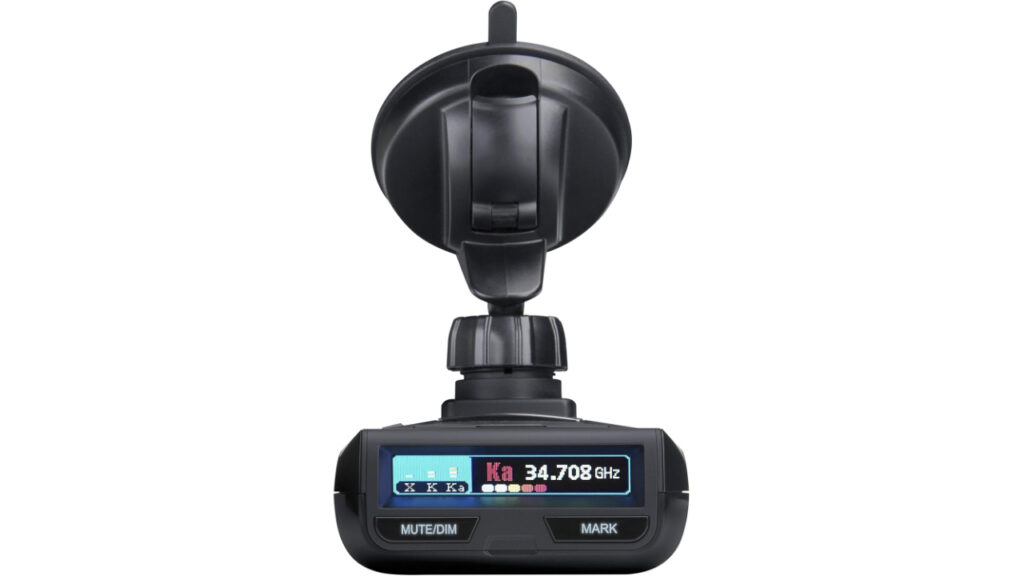
Image credit: Uniden
Initial setup involves mounting the device in a forward-facing position, connecting power, and adjusting baseline settings such as sensitivity levels and alert preferences. GPS functionality begins working after it locks onto satellite signals, and users can optionally manage stored alert locations to refine how the system behaves over time. While the setup process is not complicated, it does benefit from a bit of patience during the first configuration phase.
Once configured, day to day use becomes largely automatic. The device handles signal detection and alerting on its own, while GPS memory continues to refine location-based behavior in the background. Firmware updates can be installed through a USB connection, which helps maintain performance consistency and ensures the device stays current with detection improvements.
This is not a fully “set it and forget it” product in the most basic sense, but it does become increasingly efficient once tuned. Drivers who are willing to adjust settings and allow the GPS learning system to build data over time will get a smoother experience. Those who prefer minimal interaction may still benefit from its core detection abilities, but will not fully experience its adaptive filtering potential.
Conclusion: Should You Buy Uniden R3?
The Uniden R3 delivers strong long range radar detection, GPS based filtering, and broad signal coverage in a focused and highly configurable package. Its biggest strengths are early warning capability and intelligent false alert reduction, while its limitations include the lack of directional awareness and a setup process that rewards user tuning. This is a solid choice for drivers who want performance driven detection with room for customization, but those seeking simpler operation or directional guidance may want to explore other options.