
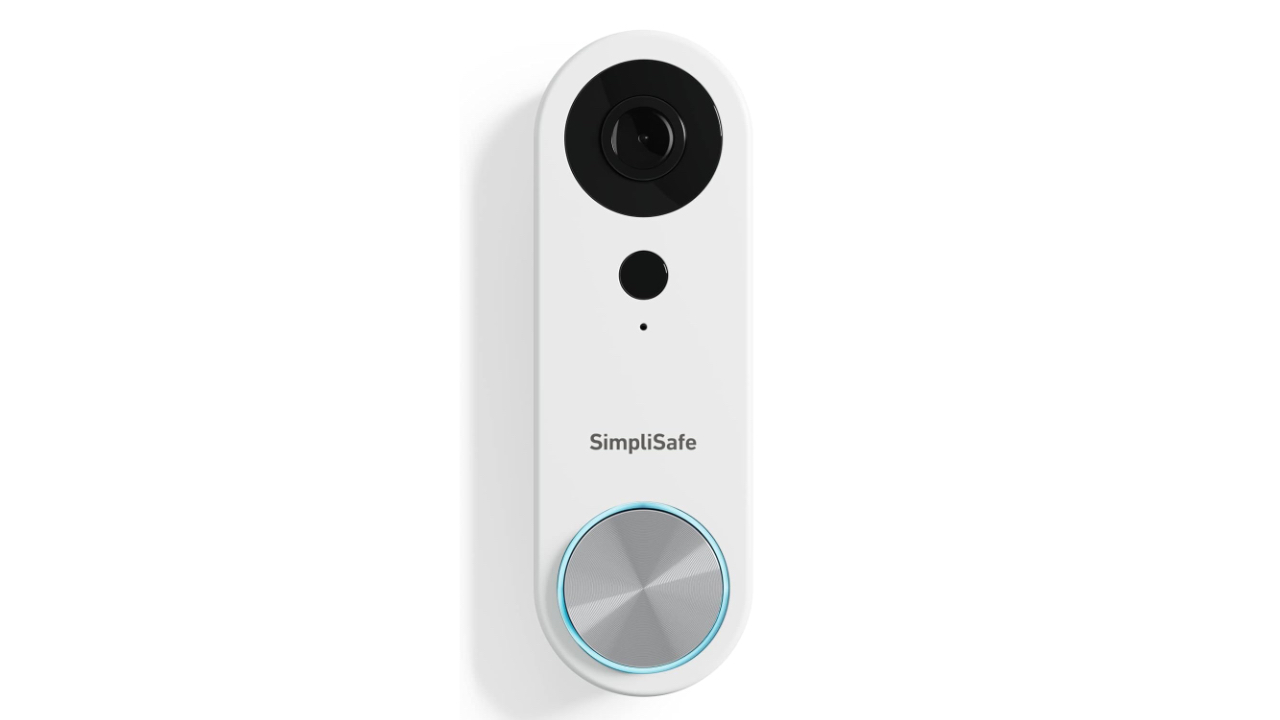
SimpliSafe Wired Doorbell Review. 1080p, Wide-Angle Doorbell Camera for SimpliSafe Systems
The SimpliSafe Wired Doorbell (model VDP301) is a hardwired video doorbell designed specifically to integrate with the SimpliSafe Gen 3 home security ecosystem. It aims to solve a common problem for buyers who want a professional-grade doorbell camera that ties directly into an existing SimpliSafe system, offering 1080p video, a wide 162° field of view, night vision, and on-device person detection while relying on an existing mechanical chime and transformer setup. The review below focuses only on the product’s official specifications and manufacturer-provided features so readers can decide whether this wired option fits their SimpliSafe-centric setup.
Pros
- 1080p HD video with a wide 162° field of view for broad coverage of a front entry.
- Smart Person Detection and Activity Zones to reduce irrelevant motion alerts.
- Designed for weather extremes and 24/7 operation when integrated with SimpliSafe monitoring.
- Two-way audio and night vision included for routine visitor interactions and low-light visibility.
Cons
- Requires existing wired doorbell setup with a mechanical chime and transformer (8–24 VAC, 30 VA max); not compatible with digital chimes, limits use in some modern homes.
- Works with SimpliSafe Gen 3 systems and needs 2.4 GHz Wi-Fi; not a fully standalone replacement for non-SimpliSafe platforms.
- Any advanced benefits tied to professional monitoring (like “video verification”) depend on selecting specific SimpliSafe monitoring plans.
What the Doorbell Actually Offers and Why It Matters
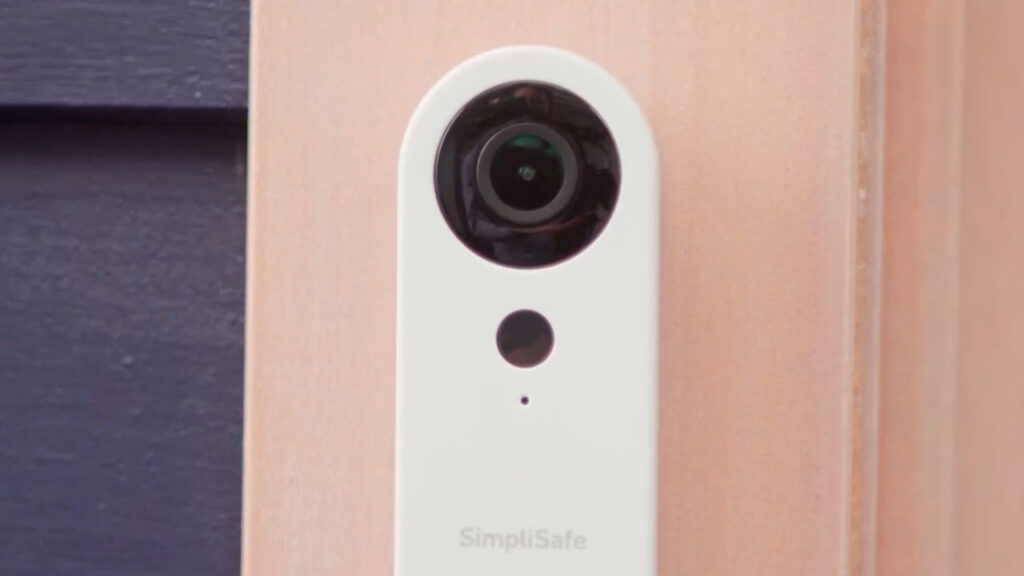
Image credit: SimpliSafe
The headline camera spec here is straightforward: 1080p HD video combined with a 162° field of view. That combination determines how much of your porch and approach path the camera can capture in a single frame; a 162° view is substantially wider than many narrow-angle units and is stated explicitly by the manufacturer. Those two numbers, 1080p resolution and 162° FOV, are the primary determinants of the device’s usefulness for identifying visitors and covering the typical entryway.
Beyond raw optics, the listing emphasizes Smart Person Detection and configurable Activity Zones so the camera can focus on human motion rather than cars or shadows. According to the official details, those features are intended to reduce false positives and lower the volume of smartphone alerts you receive. For shoppers who want fewer nuisance notifications, those built-in detection controls are central to the doorbell’s value proposition.
The product is described as “winter and rainstorm ready,” with night vision and two-way audio called out as standard features. Combined with the hardwired design, the doorbell is pitched as a permanent, all-season solution for people already using or planning to use SimpliSafe’s Gen 3 security hardware and app to manage alerts and recordings. These are manufacturer claims about durability and continuous operation rather than independent test results, but they establish what the product is intended to provide.
Design Decisions That Affect Daily Life

Image credit: SimpliSafe
SimpliSafe’s listing makes clear that this is a wired unit: installation assumes an existing mechanical chime and a transformer rated between 8 and 24 VAC with up to 30 VA. That requirement is a crucial practical constraint because it excludes homes that use digital chimes or have no doorbell wiring at all. For homeowners with legacy wiring and a compatible transformer, the wired approach removes battery maintenance and supports continuous power for 24/7 recording and live view via the SimpliSafe app.
Connectivity expectations are explicit: the doorbell requires a 2.4 GHz Wi-Fi network and is intended to work with SimpliSafe’s Gen 3 security platform. In practice that means the doorbell’s advanced cloud features, mobile notifications, video verification options, and activity-zone settings, are managed through SimpliSafe’s ecosystem rather than a third-party smart-home hub. Buyers should view the VDP301 as part of a closedish ecosystem optimized for customers already invested in SimpliSafe hardware and services.
Build and usability cues from the listing center on weather resistance and the inclusion of two-way audio. The manufacturer positions those choices as addressing real-world entryway needs: reliable operation in rain or snow, the ability to see after dark, and the option to speak with visitors through the app. Those details reflect design priorities, durability and straightforward interaction, rather than cosmetic features, and they drive the unit’s daily convenience for routine use.
How It Handles Real-World Situations
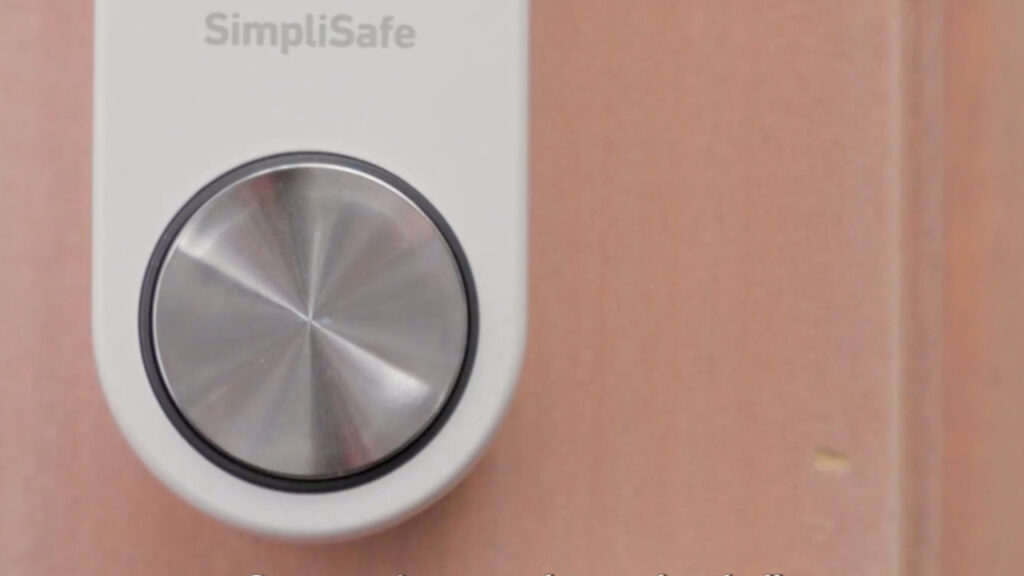
Image credit: SimpliSafe
On paper, the doorbell’s 1080p video and night vision provide the baseline for identifying faces and packages at close range; the wide 162° field of view reduces the need to pan or install multiple cameras to cover a typical stoop and walkway. The manufacturer also highlights motion alerts sent to the user’s phone the moment someone approaches, which is the expected notification workflow for many buyers who want immediate awareness of doorstep activity. These are product-level performance expectations as presented by the brand.
The listing calls out Smart Person Detection and Activity Zones as ways to filter out irrelevant triggers (vehicles, animals, or off-axis motion). If you rely heavily on accurate mobile alerts, those features are central to day-to-day performance because they directly control alert volume and relevance. The manufacturer’s description frames these as settings within the SimpliSafe app, implying that end-user configuration determines how effectively the device avoids nuisance notifications.
Another manufacturer-stated performance element is the role of video in professional monitoring: SimpliSafe explains that video verification (available with select monitoring plans) can help monitoring agents confirm an intrusion and may lead to priority dispatch. That capability ties the doorbell’s practical usefulness to whether the buyer opts into SimpliSafe’s monitoring services, an operational dependency that affects the utility of video evidence in an emergency.
Extra Details You Should Know Before Buying

Image credit: SimpliSafe
Installation and compatibility are the most important practical gating factors. The product requires existing wired doorbell infrastructure with a mechanical chime and an appropriately rated transformer (8–24 VAC, 30 VA max); it is explicitly not compatible with digital chimes. That means some households, especially newer homes with digital chimes or no wiring, will need either professional electrical changes or a different doorbell solution. The listing’s explicit transformer and chime requirements are therefore essential purchasing information.
Storage and monitoring details are tied to the SimpliSafe ecosystem: the listing references app notifications, activity zones, and professional monitoring plans that enable video verification. The manufacturer frames these as part of the overall offering rather than embedded features of the single device, so buyers should plan for potential subscription decisions if they want cloud-based archiving or professional verification services. The hardware itself provides the capture and connectivity; certain services are delivered only through SimpliSafe’s paid plans.
Durability and ongoing maintenance are addressed in the product copy primarily through weatherproofing and the wired power model. Since the unit is designed for continuous, hardwired operation, there is no battery cycling to manage, which can be a long-term convenience for many owners. Conversely, the reliance on home wiring and SimpliSafe’s Gen 3 compatibility means the device is a better fit for homeowners committed to that platform rather than someone seeking a multi-platform or battery-powered option.
Conclusion: Should You Buy the SimpliSafe Wired Doorbell?
If you already use or plan to use SimpliSafe’s Gen 3 security system and you have a compatible mechanical chime and transformer, the SimpliSafe Wired Doorbell (VDP301) is a clear, manufacturer-specified option: it delivers 1080p video, a wide 162° field of view, night vision, two-way audio, and configurable person detection to reduce nuisance alerts. However, its hardwired requirements, dependence on 2.4 GHz Wi-Fi, and the ecosystem-tied benefits (like video verification via monitoring plans) mean it’s best for buyers who want tight integration with SimpliSafe rather than a standalone or cross-platform doorbell. For that audience, the official specs justify serious consideration; for homes lacking compatible wiring or for shoppers seeking platform flexibility, alternatives may be a better fit.