
The 5 Best Fitness Trackers of 2026
Fitness trackers in 2026 are no longer novelty gadgets, they’re daily tools for better sleep, smarter training, and long-term health. The best models now deliver meaningful insights, reliable accuracy, and battery life that finally keeps up with real life. If you’re ready to move beyond counting steps and start understanding your body, this guide points you to the five fitness trackers that actually earn a place on your wrist.
| Fitbit Charge 6 | Garmin Forerunner 265 | Fitbit Inspire 3 | Apple Watch SE 3 | COROS APEX 4 |
|---|---|---|---|---|
 |  |  |  |  |
| The Charge 6 is the most well-rounded fitness tracker you can buy, blending excellent health tracking with genuinely useful Google-powered smart features. | Built for runners who care about performance and recovery, the Forerunner 265 turns training data into actionable coaching. | Light, affordable, and easy to wear 24/7, the Inspire 3 is an ideal entry point for everyday health and wellness tracking. | For iPhone users, the Apple Watch SE 3 delivers reliable fitness tracking alongside the smartest, most connected smartwatch experience. | Designed for endurance athletes and outdoor adventurers, the APEX 4 prioritizes extreme battery life, rugged durability. |
What Is a Fitness Tracker?
A fitness tracker is a wearable device designed to monitor physical activity, health metrics, and daily movement. Most track steps, heart rate, sleep, and workouts, while modern models add GPS, stress tracking, blood oxygen monitoring, and even ECG features. Unlike earlier generations, today’s trackers focus less on raw numbers and more on turning data into actionable insights you can actually use.
Why Buy a Fitness Tracker?
The biggest reason to buy a fitness tracker is awareness. It’s remarkably hard to improve what you don’t measure, and these devices quietly collect data all day without demanding attention. Over time, patterns emerge, how sleep affects workouts, how stress impacts recovery, or why your energy dips at certain points in the week.
Fitness trackers have also grown up. Battery life is longer, sensors are more accurate, and software is smarter. In 2026, you’re not just buying a gadget, you’re buying a long-term health companion that can adapt as your goals change, whether that’s walking more, training harder, or simply aging a bit more gracefully than the alternative.
Best Fitness Trackers: What to Look For When Buying
Before choosing a fitness tracker, it helps to think about how you’ll actually use it day to day.
- Comfort and size: You’ll wear it a lot, possibly while sleeping, so comfort matters more than style.
- Battery life: Longer battery life means fewer interruptions and more consistent data.
- Health metrics: Heart rate, sleep, stress, SpO₂, and ECG aren’t equal across devices.
- GPS capability: Essential for runners and cyclists who want accurate distance and pace.
- Ecosystem compatibility: Some trackers work best with specific phones or apps.
- Display quality: AMOLED looks great; MIP displays excel outdoors and save power.
- Fitness focus: Casual wellness tracking and serious training are very different needs.
- Subscription requirements: Some features may require ongoing payments.
- Water resistance: Swimming, showers, and sweat should never be an issue.
- Long-term support: Software updates and platform stability matter more than ever.
Fitbit Charge 6 | The smartest tracker Fitbit has ever made
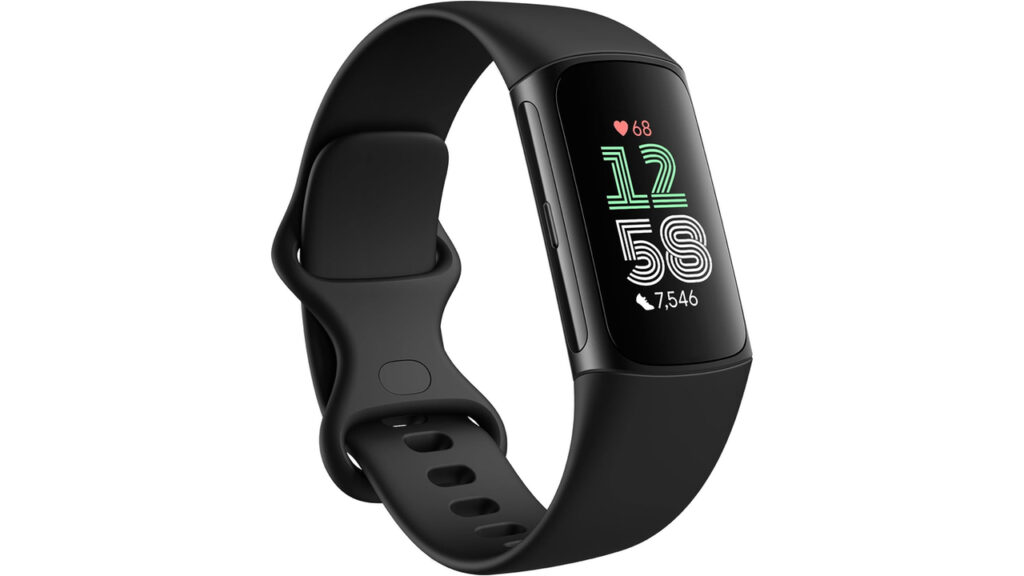
Image credit: Fitbit
- Google Maps, Wallet, and YouTube Music built in
- Excellent health tracking with ECG and GPS
- Balanced design that feels like a tracker, not a watch
The Fitbit Charge 6 sits right at the sweet spot between simplicity and capability. It delivers accurate heart-rate tracking, built-in GPS, and some of the best sleep insights in the category. The addition of Google apps is more useful than it sounds, tap-to-pay and on-wrist navigation genuinely reduce phone dependency.
This tracker is ideal for people who want strong health insights without jumping to a full smartwatch. Fitbit’s app remains one of the most approachable platforms, especially for beginners who want clear explanations instead of charts that look like engineering diagrams.
The main consideration is the Premium subscription. While the core experience is solid without it, some deeper insights live behind a paywall. If you’re comfortable with that trade-off, the Charge 6 is one of the most well-rounded fitness trackers available in 2026.
Garmin Forerunner 265 | A Training Partner That Takes Running Seriously
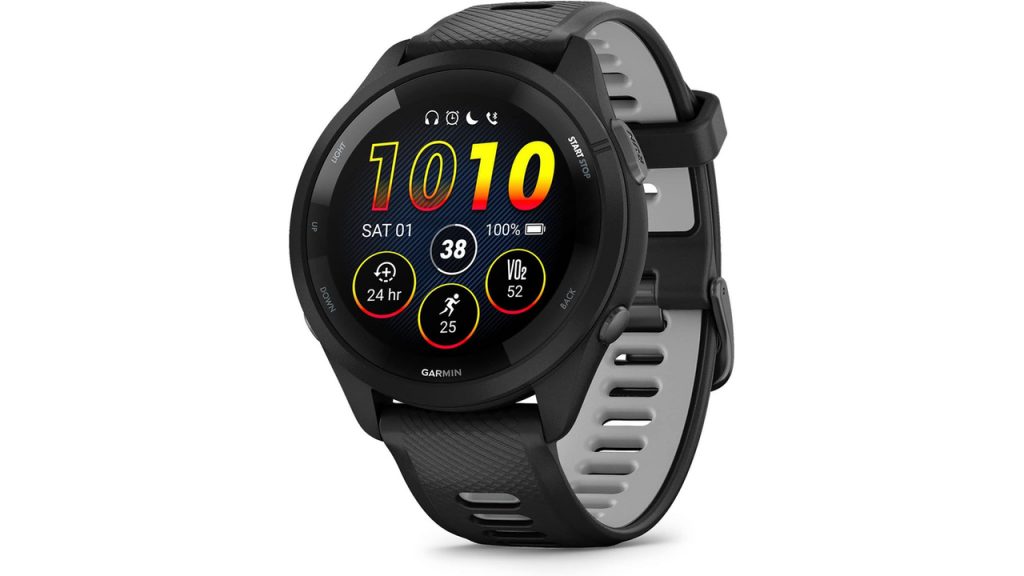
Image credit: Garmin
- Advanced training and recovery metrics
- Bright AMOLED display with physical buttons
- Excellent GPS accuracy and endurance
The Forerunner 265 is built for runners who want to improve, not just log miles. Garmin’s training readiness, HRV status, and daily workout suggestions provide real guidance, especially if you’re preparing for a race or structured plan.
Despite its performance focus, the watch remains lightweight and comfortable enough for all-day wear. Battery life is strong, even with frequent GPS use, and Garmin’s ecosystem is unmatched when it comes to performance analytics.
This isn’t the simplest tracker on the list, and casual users may find the depth overwhelming at first. But if your idea of fitness includes intervals, recovery cycles, and performance trends, the Forerunner 265 earns its place.
Fitbit Inspire 3 | Small, Simple, and Surprisingly Insightful
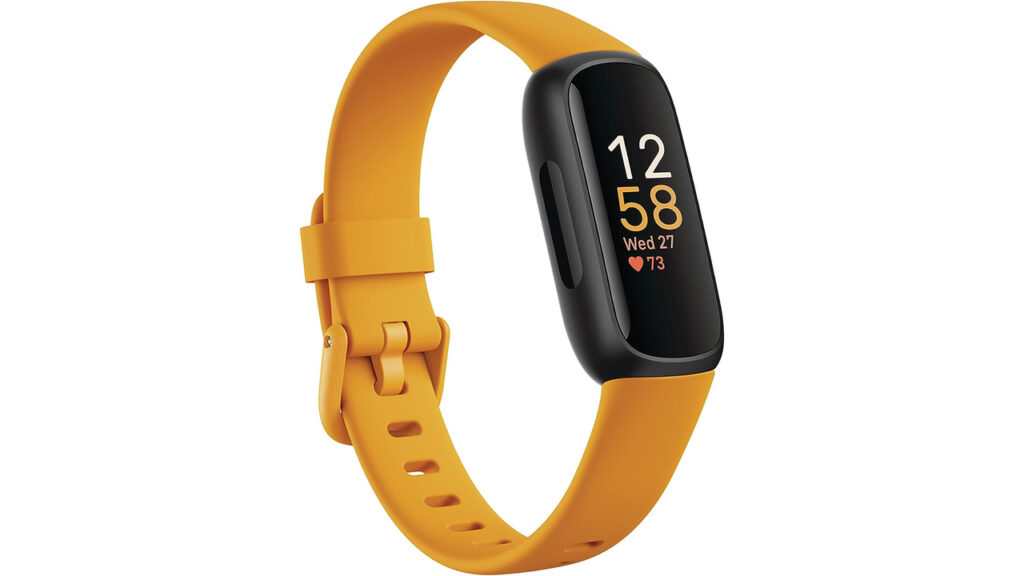
Image credit: Fitbit
- Extremely lightweight and comfortable
- Long battery life in a compact design
- Excellent stress and sleep tracking
The Fitbit Inspire 3 proves that a fitness tracker doesn’t need to be large or flashy to be effective. It focuses on core health metrics, heart rate, sleep, stress, and activity, while remaining nearly invisible on your wrist.
This is a great option for first-time buyers, minimalists, or anyone who dislikes bulky wearables. Despite its size, the Inspire 3 still delivers meaningful insights through Fitbit’s app, especially around sleep quality and daily readiness.
There’s no built-in GPS, and athletes may outgrow it quickly. But for everyday health tracking, it’s one of the easiest and most comfortable ways to stay informed.
Apple Watch SE 3 | The Best Fitness Tracker for iPhone Users
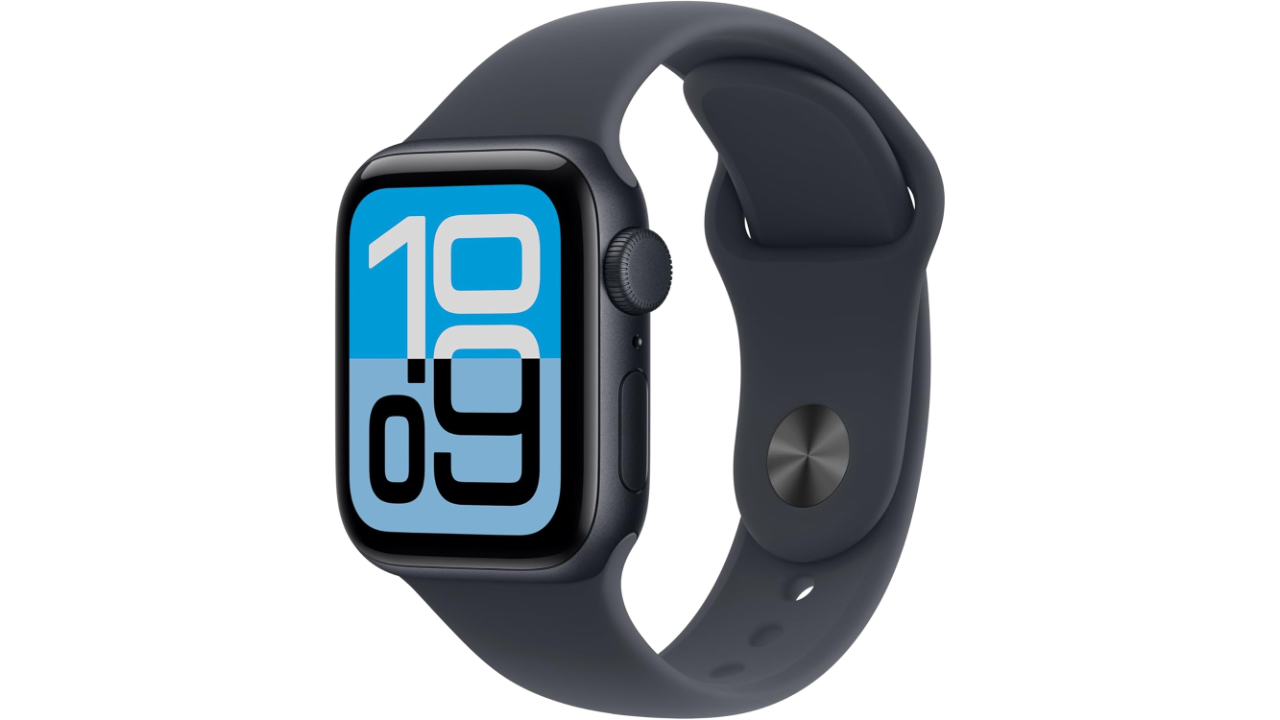
Image credit: Apple
- Deep integration with the Apple ecosystem
- Always-on display with strong safety features
- Broad fitness tracking with smart capabilities
The Apple Watch SE 3 blurs the line between fitness tracker and smartwatch more than anything else here. It tracks workouts, heart rate, and sleep reliably while also handling calls, messages, and apps effortlessly.
For iPhone users, nothing integrates better. Features like crash detection, fall detection, and family setup add real peace of mind, and Apple’s fitness platform continues to mature in meaningful ways.
Battery life is the trade-off. You’ll be charging daily, which may frustrate those coming from traditional trackers. Still, if you want fitness tracking wrapped inside a powerful smartwatch experience, the SE 3 remains a standout.
COROS APEX 4 | Built for Endurance, Altitude, and the Long Haul
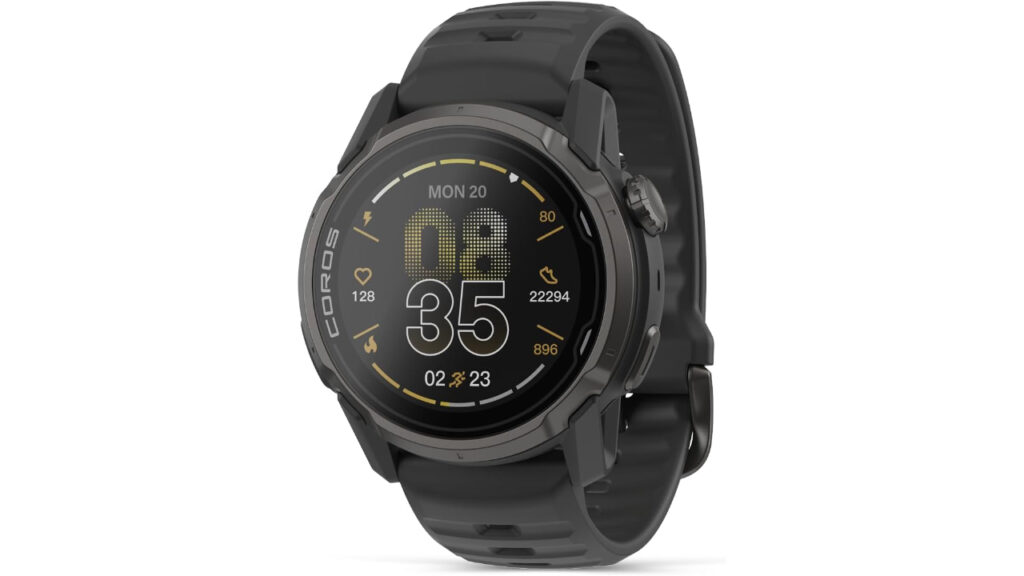
Image credit: COROS
- Exceptional battery life for ultra-endurance use
- Dual-frequency GPS with global mapping
- Rugged build with sapphire and titanium
The COROS APEX 4 is unapologetically purpose-built. This is the tracker for trail runners, climbers, skiers, and anyone who measures workouts in hours rather than minutes. Battery life is exceptional, and the GPS accuracy holds up in environments where others struggle.
Its always-on MIP display isn’t flashy, but it’s readable in harsh sunlight and sips power. Features like offline maps, voice pins, and hands-free calls make it uniquely capable far from cell service.
This isn’t a lifestyle accessory, and casual users may never tap its full potential. But for serious outdoor athletes, the APEX 4 is one of the most capable fitness trackers of 2026.
Can the best fitness trackers accurately track calorie intake?
Most fitness trackers primarily focus on monitoring physical activity and related metrics like steps, distance, and heart rate. While some advanced models offer features for logging food intake or estimating calorie burn, their accuracy in tracking calorie intake may vary. For precise calorie counting, users may prefer dedicated nutrition tracking apps or devices.
Are fitness trackers suitable for monitoring heart health?
Fitness trackers with heart rate monitoring capabilities can provide valuable insights into heart health by tracking resting heart rate, heart rate variability, and detecting irregularities during exercise. However, they are not medical devices and may not detect all heart conditions. Individuals with specific heart health concerns should consult with a healthcare professional for personalized advice.
Can fitness trackers help improve sleep quality?
Yes, many fitness trackers offer sleep tracking features that monitor sleep duration, stages (such as deep, light, and REM sleep), and sleep disturbances. By analyzing sleep patterns over time, users can identify trends and make adjustments to improve sleep quality, such as optimizing bedtime routines or adjusting sleep environments.
Do fitness trackers require a subscription for full functionality?
While some fitness trackers offer basic functionality out of the box, certain advanced features or access to premium services may require a subscription. These subscriptions may include features like personalized insights, advanced analytics, or access to guided workouts or coaching. Users should review the features and pricing of each tracker to determine if a subscription is necessary for their needs.
How do fitness trackers handle data privacy and security?
Fitness tracker manufacturers typically have privacy policies in place to protect user data and ensure compliance with data protection regulations. This may include measures such as data encryption, user consent for data collection, and options for controlling data sharing preferences. Users should review the privacy settings and policies of their chosen tracker to understand how their data is handled and protected.
Can fitness trackers be used by individuals with disabilities?
Fitness trackers can be beneficial for individuals with disabilities, depending on their specific needs and abilities. Some trackers offer accessibility features such as voice commands, larger font sizes, or vibration alerts, which can assist users with visual or hearing impairments. However, it’s essential to consider individual requirements and consult with healthcare professionals to determine the suitability of a fitness tracker for specific disabilities.
How durable are fitness trackers?
Fitness trackers vary in durability depending on factors such as build quality, materials, and water resistance ratings. While many trackers are designed to withstand daily wear and occasional exposure to water or sweat, they may not be indestructible. Users should follow manufacturer guidelines for care and maintenance to prolong the lifespan of their device and avoid damage during activities.
Can fitness trackers be used during pregnancy?
Fitness trackers can be used during pregnancy to monitor physical activity levels, sleep patterns, and overall well-being. However, pregnant individuals should consult with their healthcare provider before using a fitness tracker, especially if they have specific medical conditions or concerns. Certain features, such as heart rate monitoring or activity tracking, may need to be adjusted based on medical advice.
Do fitness trackers offer support for diverse workout types?
Many fitness trackers offer a range of activity profiles or workout modes to accommodate diverse workout types and preferences. These may include running, cycling, swimming, strength training, yoga, and more. Users can often customize or add new workout modes to suit their specific activities, providing flexibility and accuracy in tracking different types of exercises.
How do I choose the right fitness tracker for my needs?
When choosing a fitness tracker, consider factors such as your fitness goals, preferred activities, budget, and desired features. Assess the tracking capabilities, compatibility with your smartphone or device, battery life, comfort, and additional functionalities like heart rate monitoring, sleep tracking, and GPS. Reading user reviews and comparing different models can help you make an informed decision based on your individual needs and preferences.
Previous Best for iPhone Users: Apple Watch SE (2nd Gen)
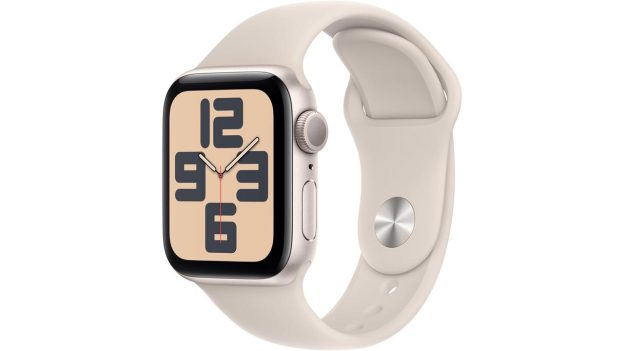
Image credit: Apple
Pros:
Con:
The Apple Watch SE (2nd Gen) excels as the best fitness tracker for iPhone users by seamlessly integrating with the Apple ecosystem and offering a host of features tailored to health and fitness tracking. It’s an excellent choice for those who want an all-in-one device that not only tracks fitness but also keeps them connected and safe.
One of the primary reasons for its prominence is the comprehensive health and fitness features it provides. With heart rate monitoring, cycle tracking, GPS for accurate workout tracking, and an Activity Tracker to monitor your daily movement, it caters to a wide range of health and fitness needs. These features are complemented by advanced metrics that offer valuable insights into workout performance. Additionally, the watch offers a three-month subscription to Apple Fitness+, providing users with a guided fitness experience.
The Apple Watch SE also plays a significant role in ensuring the safety of its users. Features like Fall Detection, Crash Detection, and Emergency SOS provide assistance when needed. It can notify you if it detects an irregular heart rhythm or an unusually high or low heart rate, giving you a heads-up about potential health issues.
Furthermore, the Apple Watch SE’s compatibility with other Apple devices and services is a game-changer for iPhone users. It seamlessly unlocks your Mac, helps you locate your Apple devices, and allows you to make payments with Apple Pay. With its water-resistant design and customizable bands and watch faces, it’s also stylish and practical.
In summary, the Apple Watch SE (2nd Gen) is the best fitness tracker for iPhone users, offering an all-encompassing fitness experience that seamlessly connects with the Apple ecosystem. It’s an ideal companion for those who seek to track their health and fitness, stay connected, and ensure their safety all from the convenience of their wrist.
Previous Best for Athletes: COROS APEX 2
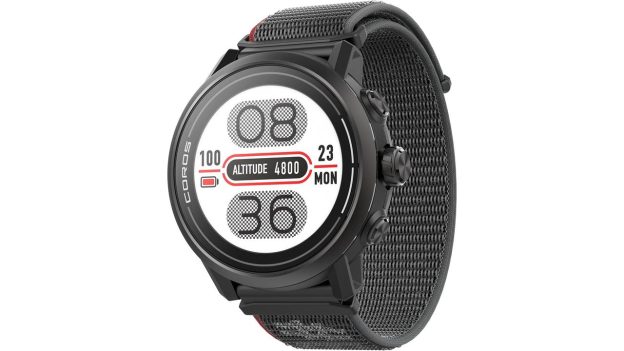
Image credit: COROS
Pros:
Con:
The COROS APEX 2 tops the charts in fitness tracker for athletes due to its robust and athlete-centric features. Its rugged and durable design with a sapphire glass screen and grade 5 titanium alloy bezel ensures it can withstand the demands of active lifestyles, and the scratch-resistant materials offer peace of mind for athletes who put their gear through the wringer.
One of the most impressive features of the COROS APEX 2 is its remarkable battery life. Athletes require devices that can keep up with their training sessions and competitions, and the APEX 2 doesn’t disappoint. With up to 17 days of regular use and 45 hours of full GPS tracking on a single charge, it ensures athletes have the power they need when it matters most.
Additionally, the watch charges quickly, requiring less than 2 hours for a full charge.
The APEX 2 goes beyond basic fitness tracking, offering advanced training solutions trusted by elite athletes. Features like training load trend, recovery timer, training status, and workout builder empower users to transform data into actionable insights. These insights help athletes optimize their performance and reach their fitness goals more efficiently.
Furthermore, the watch offers navigation capabilities with downloadable global Landscape and regional Topo maps, allowing athletes to explore new locations with ease. It’s a versatile companion for those who enjoy outdoor adventures, making it a top choice for runners, cyclists, hikers, and other active individuals.
When all is said and done, the COROS APEX 2 is the best fitness tracker for athletes, offering a combination of durability, exceptional battery life, advanced training features, and navigation capabilities. Athletes can rely on this watch to meet their performance and training needs while withstanding the rigors of their active lifestyle.