
Fitbit Inspire 3 Review: Lightweight Health & Fitness Tracker
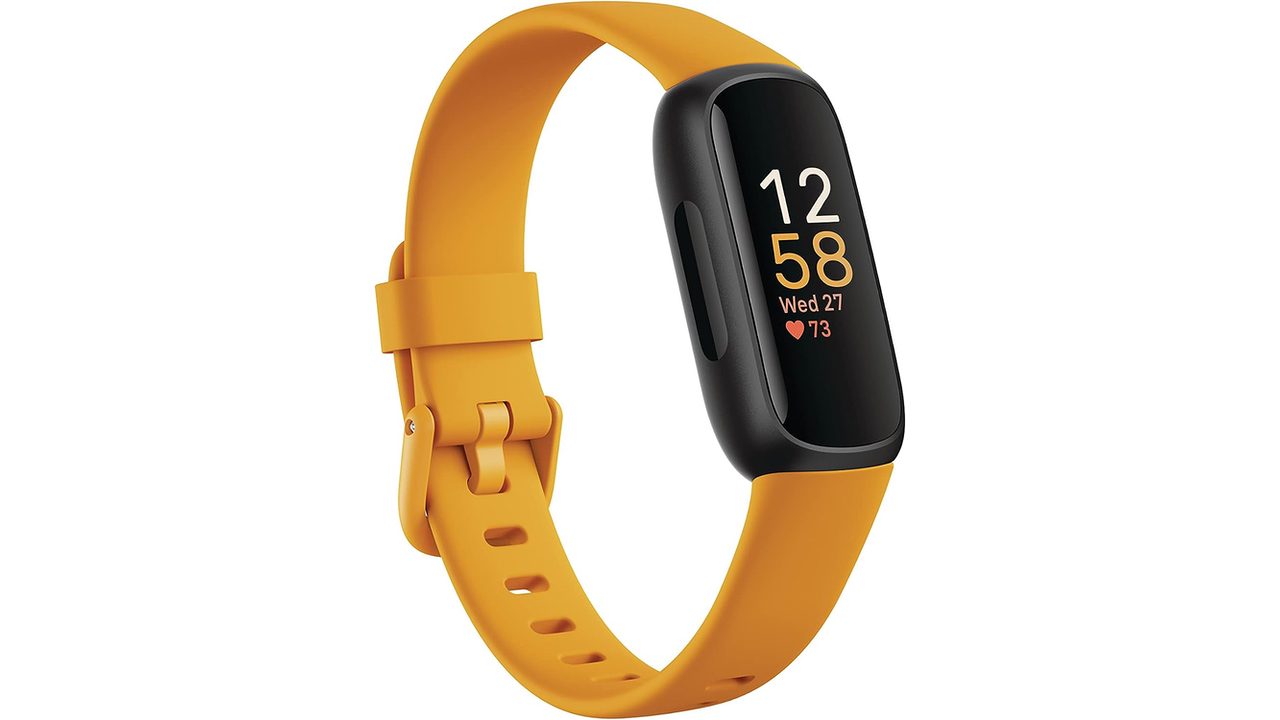
The Fitbit Inspire 3 is a slim, lightweight tracker that keeps tabs on your health without turning your wrist into a mini computer. It’s designed for people who want to track fitness, sleep, stress, and overall wellness without fussing over a complicated device. With a bright color screen, 10-day battery life, and a compact design, it’s perfect for anyone who wants to wear a tracker consistently and get meaningful insights at a glance.
Pros:
- Slim, unobtrusive design ideal for all-day wear.
- 10-day battery life minimizes frequent charging.
- Vibrant color AMOLED display improves readability.
- Tracks heart rate, sleep, stress, SpO2, and daily activity.
- Water-resistant up to 50 meters, suitable for swimming and showering.
Cons:
- Screen is small and may be hard to read for some users.
- Band replacement isn’t as simple without quick-release pins.
- Some advanced metrics require a Fitbit Premium subscription.
- No built-in GPS; relies on smartphone for route tracking.
Why This Tracker Hits the Sweet Spot

Image credit: Fitbit
The Inspire 3’s color AMOLED screen is a major upgrade over previous Inspire models, making it easy to see stats without squinting. It’s small but surprisingly readable, and the touch interface plus two side haptic buttons let you swipe through activity, sleep, and heart-rate metrics smoothly. While the always-on display is tempting, you trade convenience for battery life, dropping from 10 days to roughly three if you keep it lit continuously.
For daily fitness, the device tracks steps, calories burned, distance, and Active Zone Minutes, which measure how long your heart rate stays in beneficial zones. Over 20 exercise modes and automatic workout detection make it flexible enough for gym sessions, walks, or pool workouts. Water resistance to 50 meters means it won’t quit on you when swimming or showering.
On the wellness side, the Inspire 3 does more than count steps. It monitors heart rate 24/7, tracks SpO2, and flags irregular rhythms. Stress management features, guided breathing, and the Daily Readiness Score help you understand your energy and recovery needs. These insights are more meaningful when paired with Fitbit Premium, but even without a subscription, you get a clear snapshot of your daily health.
Small, Comfortable, and Unobtrusive
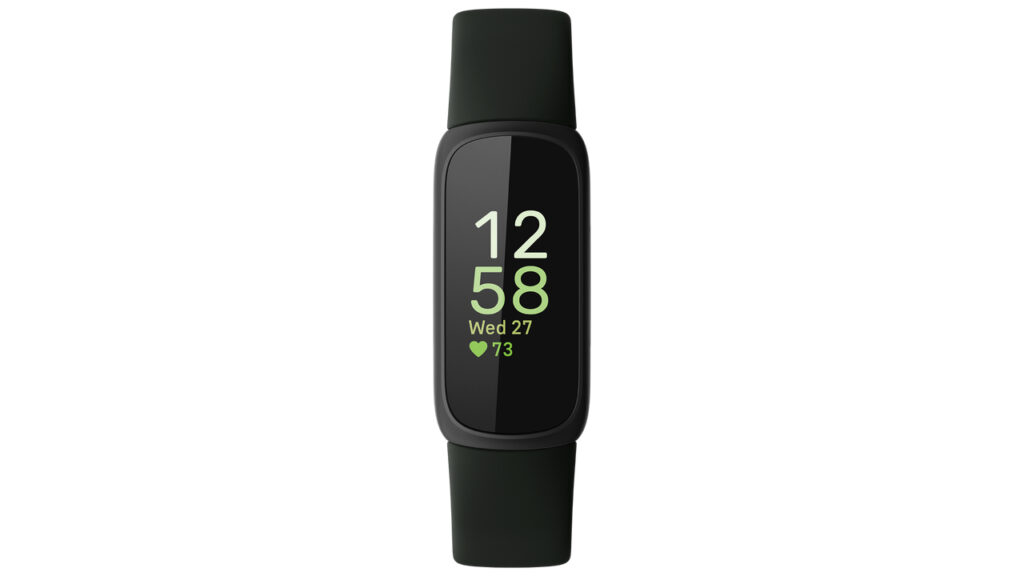
Image credit: Fitbit
Fitbit clearly focused on wearability with the Inspire 3. Its slim resin case and soft silicone bands make it almost disappear on your wrist, ideal for sleeping, exercising, or long days at work. The tracker’s light weight makes it feel less like a gadget and more like a natural extension of your body. For many users, this ease of wear is the biggest advantage over bulkier smartwatches.
Durability is solid but not flawless. The device resists water to 50 meters, so swimming or washing dishes won’t damage it. However, some users report that the strap connectors and hinge points are potential weak spots over long-term use. While these issues are minor for most, anyone expecting a decade-long wearable might want to keep a spare band handy.
The small screen is excellent for quick checks but may challenge users with vision difficulties. Navigating through stats and menus takes a little practice, as gestures aren’t always instantly intuitive. Still, once familiar, users can glance at their wrist and instantly know heart rate, sleep quality, or Daily Readiness without diving into their phone.
How It Performs Day to Day

Image credit: Fitbit
In everyday scenarios, the Inspire 3 reliably tracks steps, distance, and heart rate without much input. Sleep tracking provides detailed insights into light, deep, and REM stages, helping users spot patterns that affect energy and recovery. The Daily Readiness Score and stress score give actionable context that goes beyond raw numbers, helping guide workout intensity and recovery days.
Battery life is one of the Inspire 3’s standout strengths. Users consistently report 8–10 days of use on a single charge, even with daily workouts and notifications. It’s one of the rare trackers you can just wear without thinking about daily charging, making it easy to integrate into a busy routine.
Compared to higher-end devices like the Garmin Forerunner 265 or Fitbit Charge 6, the Inspire 3 doesn’t offer built-in GPS or advanced metrics like training load or VO2 max. But for casual fitness enthusiasts or anyone looking for uncomplicated health tracking, its combination of simplicity, comfort, and battery longevity makes it an excellent choice.
Things You Should Know Before Buying
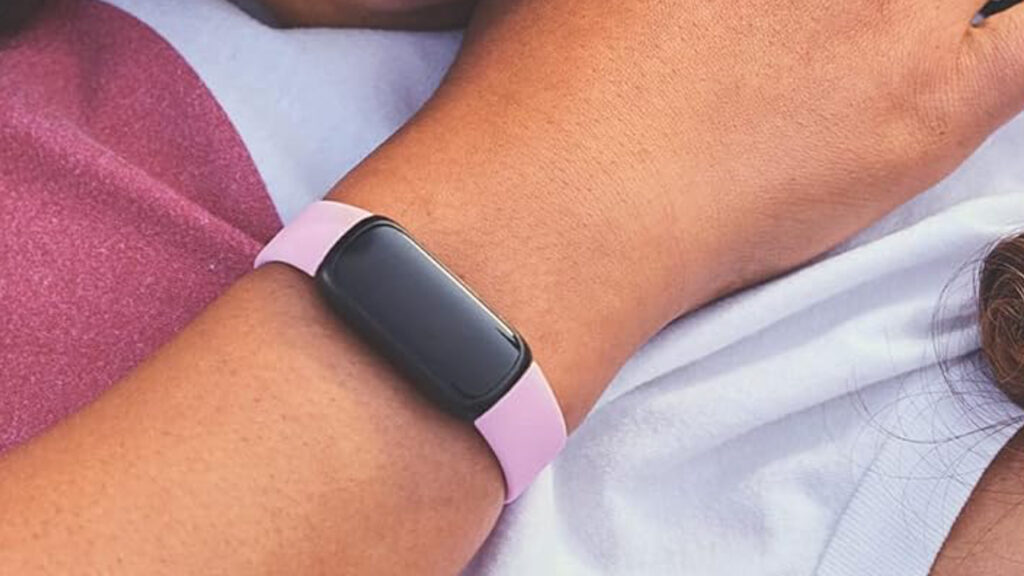
Image credit: Fitbit
Setting up the Inspire 3 is straightforward using the Fitbit app, and syncing is generally smooth, though occasional reconnections are required. The tracker’s small size and light weight make it ideal for everyday use, but it’s not a replacement for smartwatches if you want apps, music, or emergency calling.
Some advanced metrics, including in-depth Daily Readiness and Sleep Score insights, require a Fitbit Premium subscription, which adds to the overall cost. GPS functionality is limited to a connected smartphone, which could be inconvenient for users who want independent route tracking during outdoor workouts.
Finally, the bands and strap connectors may wear faster than the tracker itself, which is worth noting if you plan heavy, long-term use. That said, for casual users or those new to Fitbit, the Inspire 3 delivers consistent, accurate tracking without overwhelming complexity.
What’s the Alternative?
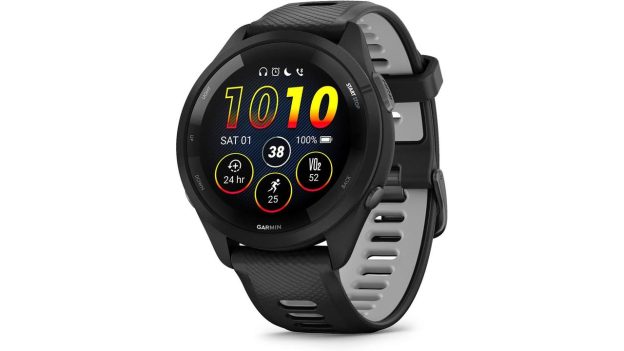
Image credit: Garmin
Comparing the Fitbit Inspire 3 with the Garmin Forerunner 265 reveals distinct differences in their target audiences and primary functionalities. While both devices offer fitness tracking capabilities, they cater to different user preferences and needs.
The Fitbit Inspire 3 excels as an entry-level fitness tracker with a focus on essential health and fitness monitoring. Its slim design, vibrant color AMOLED display, and impressive 10-day battery life make it an attractive option for users prioritizing long-lasting performance and everyday wear. However, it lacks some advanced features found in the Garmin Forerunner 265, such as Training Readiness score and Morning Report insights, making it better suited for casual fitness enthusiasts and newcomers to the Fitbit ecosystem.
On the other hand, the Garmin Forerunner 265 stands out as a high-performance running watch tailored for dedicated runners seeking advanced training metrics and comprehensive activity tracking. With its AMOLED touchscreen, Training Readiness score, and extended battery life, it offers a robust solution for optimizing training regimens and monitoring fitness levels. While it comes at a higher price point and may have slightly reduced battery life compared to the Fitbit Inspire 3, its focus on running-specific features makes it an ideal choice for serious athletes and those looking to elevate their training experience.
Should You Buy the Fitbit Inspire 3?
The Fitbit Inspire 3 is a reliable, entry-level fitness tracker that hits the essentials: steps, heart rate, sleep, stress, and general wellness. Its slim profile, long battery life, and colorful display make it an excellent choice for anyone who wants consistent daily tracking without a bulky smartwatch.
It’s best for casual fitness enthusiasts, beginners, or those seeking a lightweight wearable for day-to-day monitoring. Users needing advanced performance metrics, built-in GPS, or smartwatch features should consider higher-tier devices. For most, though, the Inspire 3 offers exactly what it promises: simple, actionable insights that help you stay active, healthy, and aware of your body.