
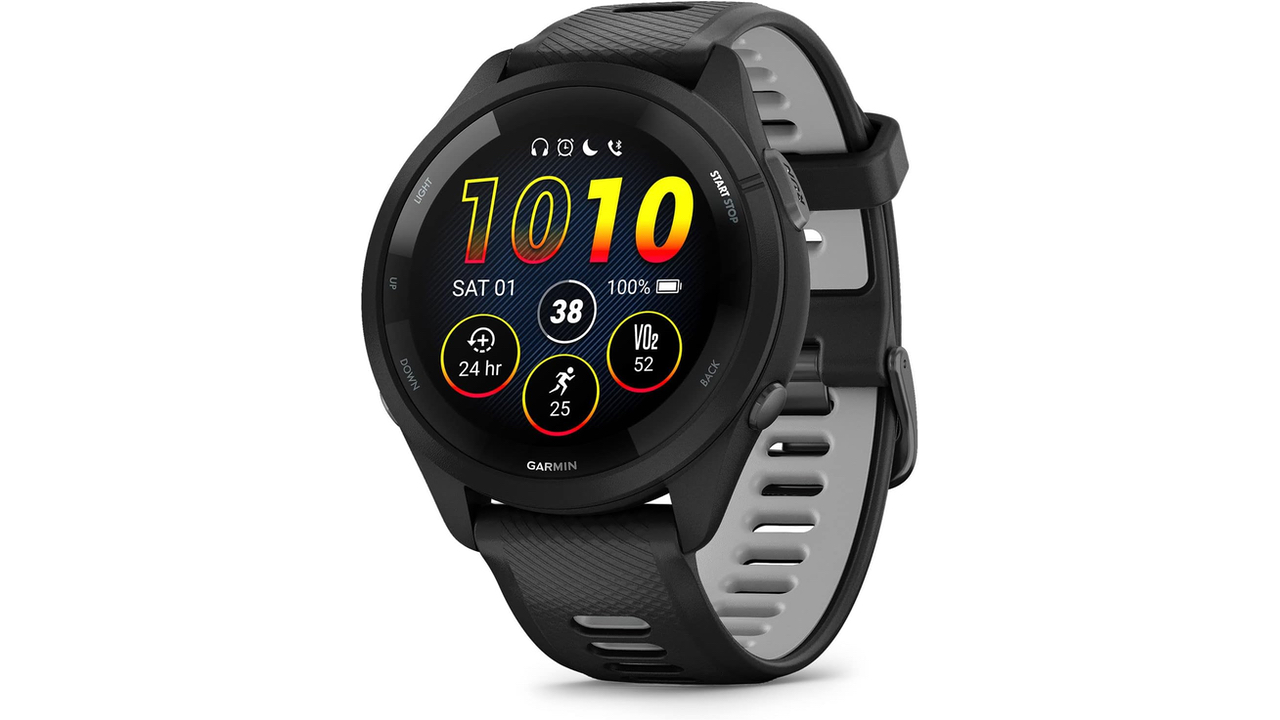
Garmin Forerunner 265 GPS Running Smartwatch Review
The Garmin Forerunner 265 is a running-first smartwatch built for people who don’t just want to log miles, they want to understand how those miles are affecting their body. This watch sits right in the sweet spot of Garmin’s lineup: serious training tools without the bulk, price, or complexity of their top-tier models. With its bright AMOLED display, training readiness scoring, and race-aware workouts, the Garmin Forerunner 265 is clearly aimed at runners and endurance athletes who want better structure, smarter recovery, and fewer bad training days.
Pros
- Beautiful AMOLED display that’s easy to read mid-run
- Training readiness and HRV insights actually influence training decisions
- Accurate multi-band GPS with strong consistency
- Lightweight and comfortable enough for 24/7 wear
- Battery life that still works for real training weeks
Cons
- Costs more than older Forerunners with similar core metrics
- No onboard maps or turn-by-turn navigation
- AMOLED display trims battery life compared to MIP models
- Touchscreen isn’t ideal in heavy rain (buttons save the day)
The Stuff That Makes You a Better Runner
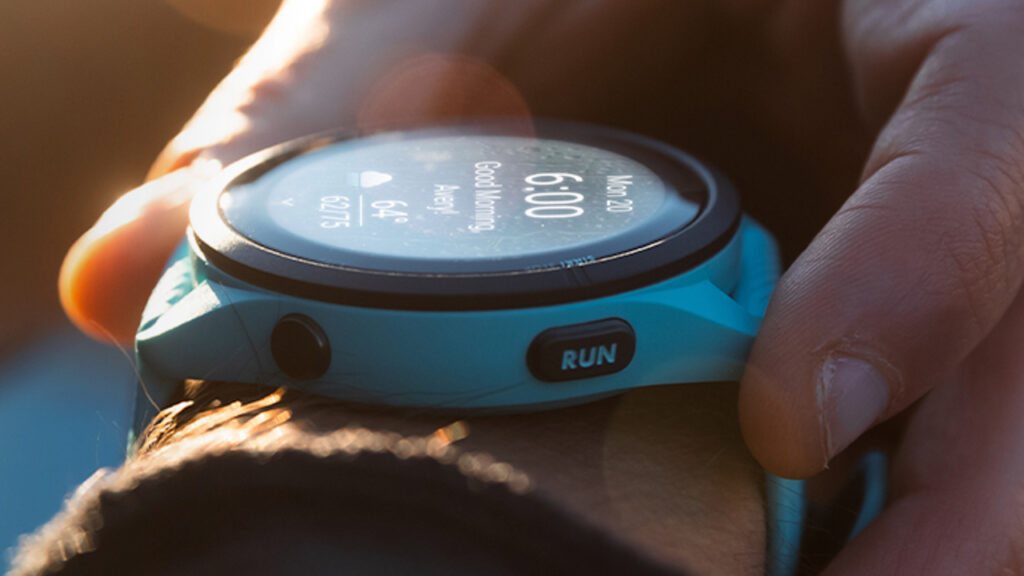
Image credit: Garmin
This is where the Forerunner 265 earns its keep. The 1.3-inch AMOLED display is the headline upgrade, and it’s not just about looking pretty. The 416 × 416 resolution makes pace zones, heart rate, and workout targets easier to read at a glance, especially when you’re fatigued or moving fast. Garmin made the smart call by keeping full button controls, so you’re never forced to swipe through sweat or gloves just to hit a lap.
Training Readiness is the feature most runners don’t know they need until they use it. By blending sleep quality, HRV status, recovery time, and recent training load, the watch gives you a realistic sense of whether today is a push day or a “keep it easy” day. It’s not a magic green-or-red light, but over time it does an excellent job of reinforcing smarter decisions and preventing the slow creep toward overtraining.
The Morning Report ties everything together in a way that feels genuinely useful. You wake up and immediately see how you slept, where your recovery stands, what kind of training day you’re heading into, and what the weather looks like. It’s simple, fast, and practical, exactly what you want before coffee, not another dashboard to interpret.
Daily suggested workouts are another quiet strength. Instead of locking you into a rigid plan, they adapt after every run. Add a race and course profile in Garmin Connect, and the watch starts nudging workouts toward that goal automatically. Miss a day? No guilt. Feeling flat? The intensity backs off. It feels like coaching, not nagging.
Design That Stays Out of the Way
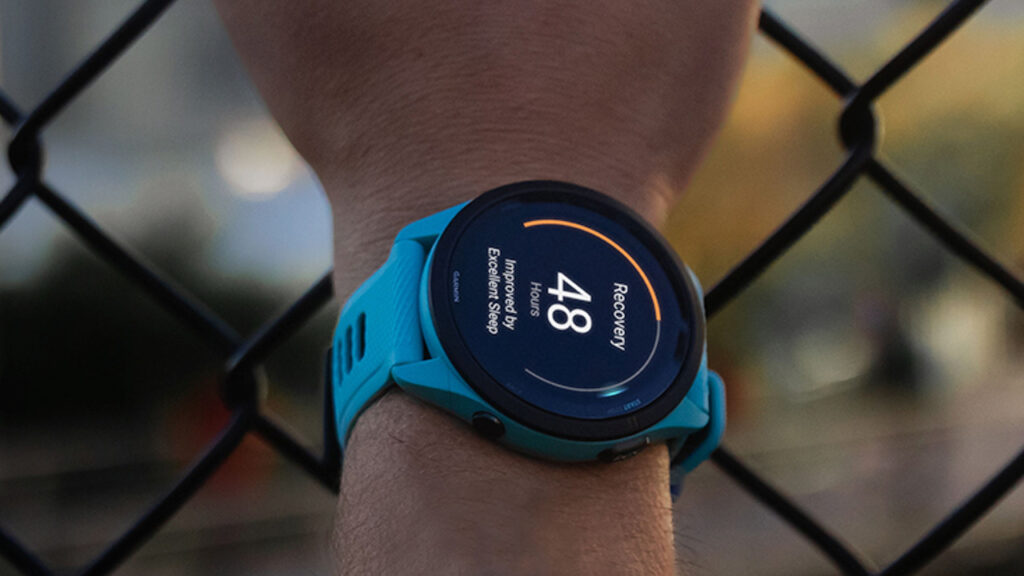
Image credit: Garmin
At 47 grams with a slim 12.9 mm case, the Forerunner 265 is light enough that you stop noticing it, which is exactly what you want from a training watch. It’s comfortable for long runs, sleep tracking, and all-day wear, and the silicone band does a good job of staying put without digging in.
Garmin includes more than 30 activity profiles, covering running, triathlons, cycling, open-water swimming, strength training, and cardio. The 50-meter water resistance means it’s perfectly happy in the pool or rain. While this is very clearly a runner’s watch, it doesn’t fall apart the moment you cross-train.
Music storage is a real quality-of-life win. With 8 GB onboard, you can load playlists and run phone-free. Pair it with Bluetooth headphones and you’ve got a clean, distraction-free setup that still delivers pace cues and workout prompts when you need them.
Garmin Connect isn’t flashy, but it’s effective. Trends are easy to follow, training load makes sense over time, and nothing feels buried or overcomplicated. It’s designed for people who care about progression, not streaks.
How It Holds Up When Training Gets Serious
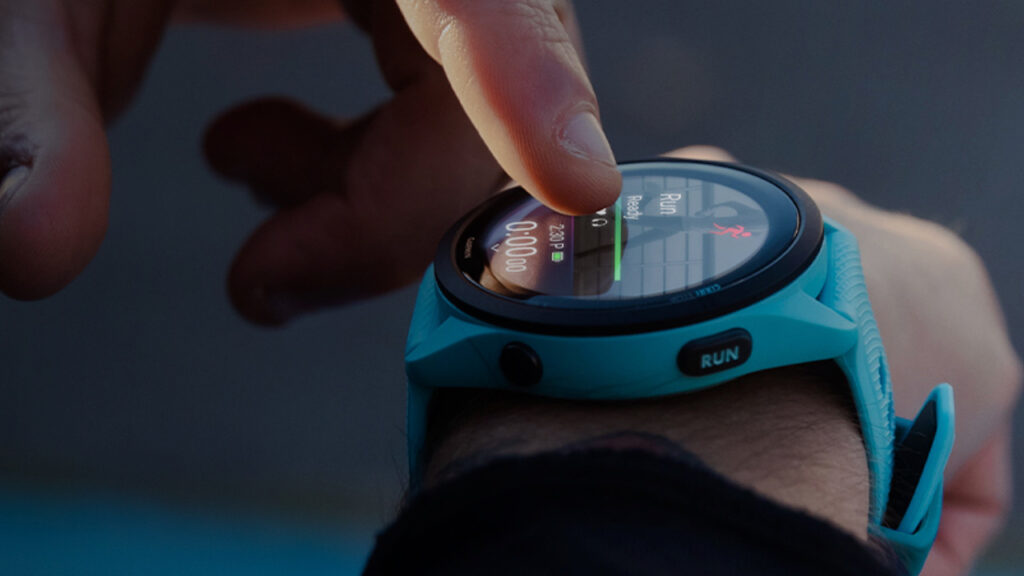
Image credit: Garmin
Battery life is strong where it counts. You get up to 13 days in smartwatch mode and up to 20 hours in GPS mode, which means you’re not planning your long run around a charger. For an AMOLED watch, that’s a big deal and one of the reasons the Forerunner 265 holds its own against both Apple Watch and AMOLED-heavy competitors.
Multi-band GPS with SatIQ™ delivers consistent, reliable tracking, even in areas where watches tend to struggle, city routes, tree cover, or uneven terrain. Pace and distance data stay stable enough for structured workouts and race prep, which is ultimately what matters.
Heart rate tracking is solid for steady efforts, recovery metrics, and trend analysis. Like any wrist-based sensor, it’s not perfect during short, high-intensity intervals, but the data is consistent enough to inform training load and readiness when viewed over time.
Compared to the Forerunner 255, the 265 trades a bit of battery life for a dramatically better screen and more refined training insight. Compared to the Forerunner 965, it skips maps but keeps things lighter, simpler, and more affordable. That middle-ground positioning is exactly where it shines.
A Few Things You Should Know Up Front
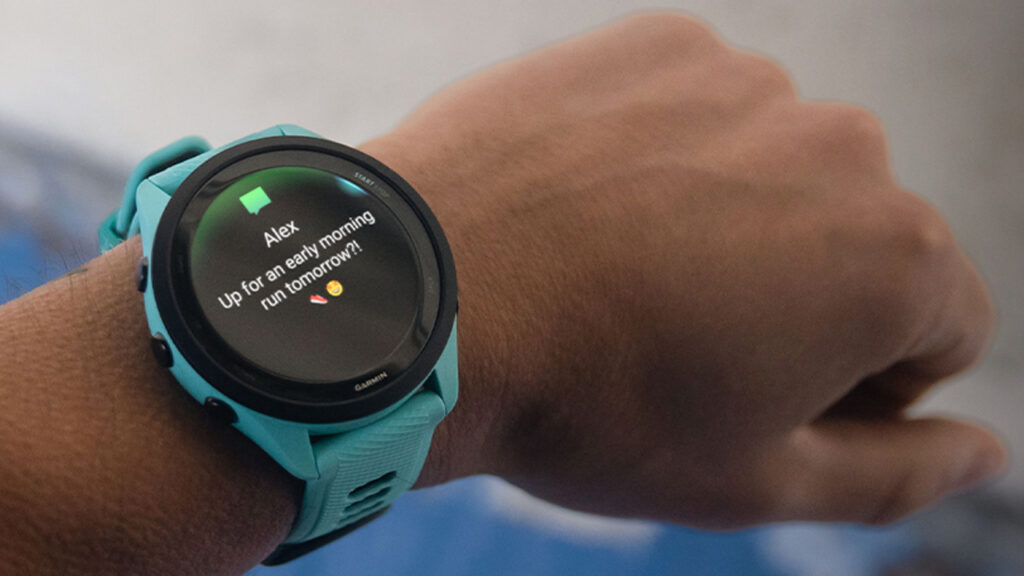
Image credit: Garmin
This watch gets better the longer you wear it. Metrics like HRV status and training readiness become more meaningful after a few weeks of consistent data. If you’re patient, the payoff is better context and fewer guesswork days.
If you need full-color maps, turn-by-turn navigation, or outdoor exploration tools, this isn’t the right Garmin. And if you want a watch that behaves like a tiny phone, you’ll find the smart features intentionally limited here. The Forerunner 265 is about training first, everything else second.
What’s the Alternative?
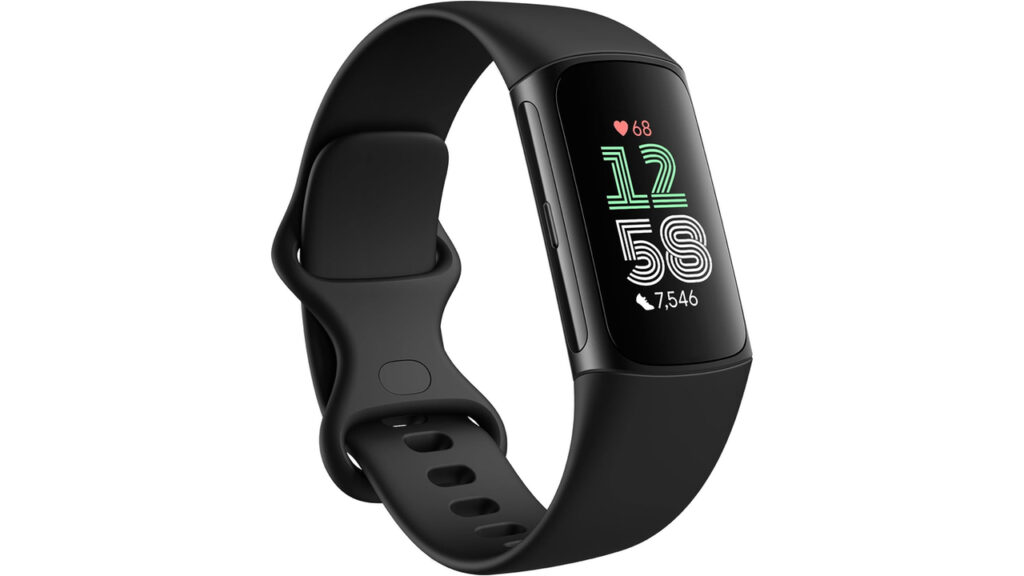
Image credit: Fitbit
For those considering alternatives to the Garmin Forerunner 265, the Fitbit Charge 6 emerges as a worthy contender, particularly for users seeking a comprehensive fitness tracker with a focus on health metrics and affordability. While the Forerunner 265 boasts a stunning AMOLED touchscreen and advanced running features, the Charge 6 offers a solid battery life, Google Maps integration, and a diverse range of health metrics that cater to both Android and iPhone users.
One of the Fitbit Charge 6’s standout features is its extensive suite of health metrics, including blood oxygen levels, skin temperature, and ECG readings for irregular heart rhythms. Additionally, its Google integration provides practical tools such as turn-by-turn directions with Google Maps and contactless payments through Google Wallet. However, users may encounter occasional connectivity issues, which can detract from the overall experience.
Conclusion: Should You Buy the Garmin Forerunner 265?
The Garmin Forerunner 265 is one of those watches that feels like it was designed by people who actually run. It doesn’t overwhelm you with gimmicks or try to replace your phone. Instead, it focuses on the things that matter: clear data, smart training guidance, reliable GPS, and battery life that works in the real world.
If you’re a runner or endurance athlete who wants better structure, more confidence in recovery, and fewer wasted workouts, the Forerunner 265 is an excellent choice. If maps or full smartwatch features are high on your list, you’ll want to look elsewhere. But if your goal is to train smarter and stay consistent, this watch does exactly what it promises, and does it well.