
Loowoko 50L Backpack: Lightweight Budget Capacity
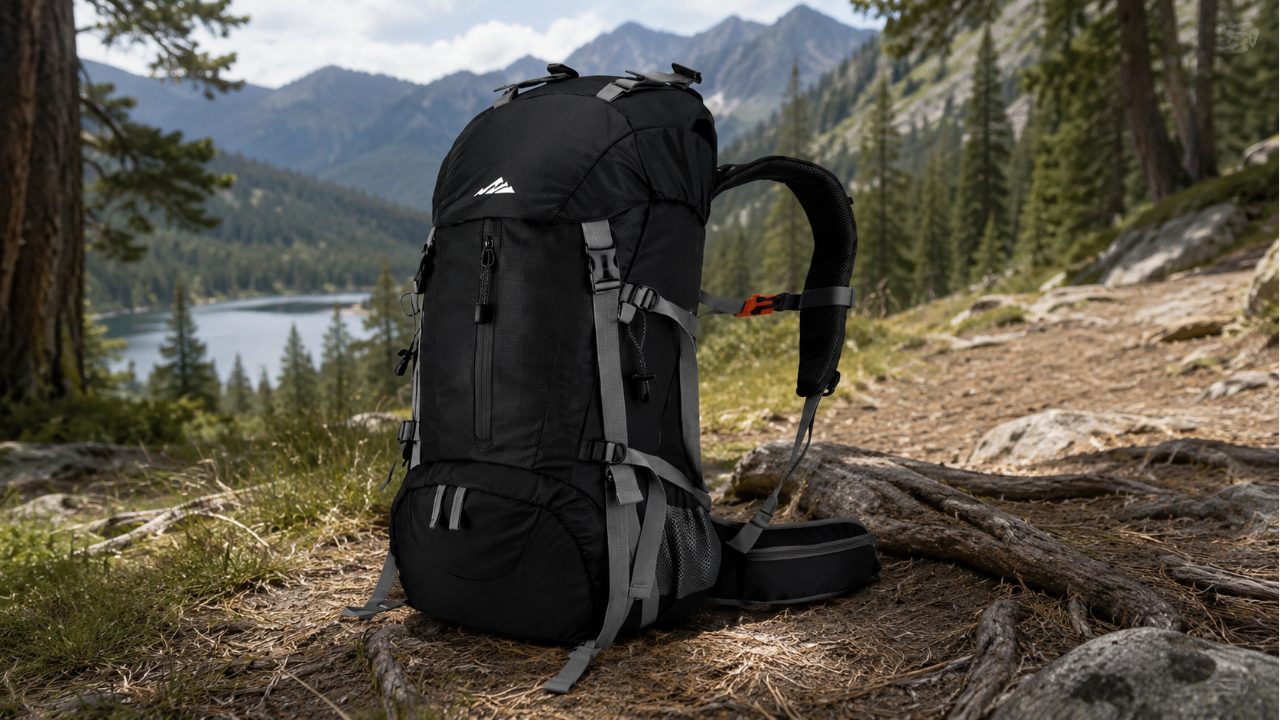
The Loowoko 50L Backpack pairs a 45+5-liter layout, low listed weight, raincover, six external pockets, and abundant attachment points. Its frameless design favors budget-minded hikers carrying moderate loads, especially when capacity and organization matter more than technical suspension.
Pros
- 45+5-liter capacity with low listed pack weight
- Included raincover stored in a bottom pouch
- Six external pockets plus lower access
- Padded S-shaped shoulder straps and breathable back panel
- Multiple compression straps and gear attachment points
- Separate lower gear or shoe area
Cons
- No internal frame
- Heavier loads place more demand on the shoulders
- Seller-listed weight varies slightly by page section
- Fit adjustment is less sophisticated than premium packs
Fifty Liters Without a Heavy Frame
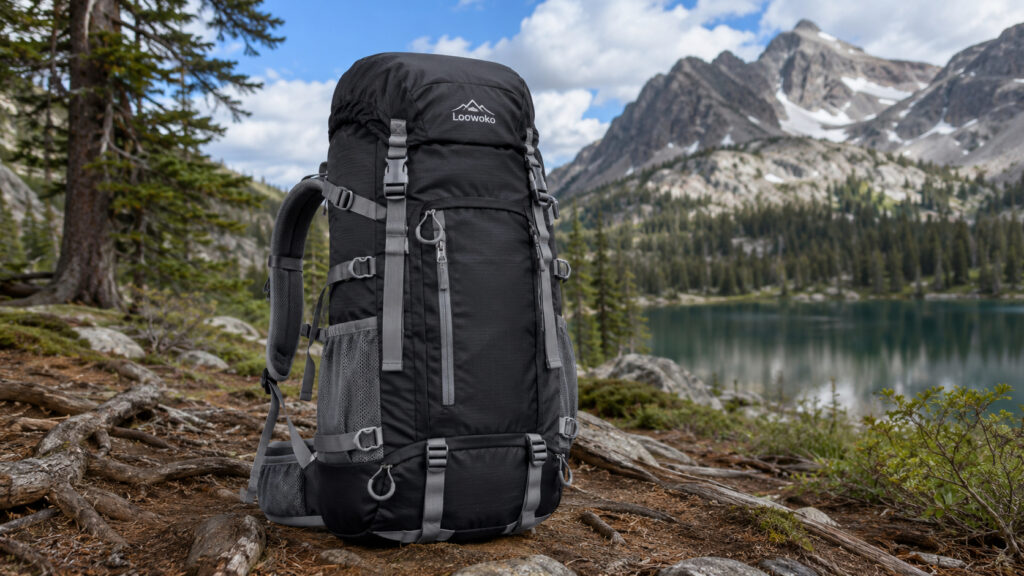
The Loowoko uses a 45+5-liter layout and is commonly marketed as a 50-liter backpack. The listing places weight around 2.1 pounds, although another specification section has historically shown a slightly higher figure. Either way, the pack is much lighter than full-featured internal-frame models. The difference comes from a simpler carrying structure rather than magic materials.
There is no internal frame. The backpack uses padded S-shaped shoulder straps, a breathable back panel, sternum strap, and waist belt to stabilize the load. Those components can make a moderate load comfortable, but they cannot transfer weight to the hips as efficiently as a rigid frame with a structured hipbelt. The Loowoko should not be judged by the same load-hauling standard as a premium 65-liter backpack.
The capacity is most useful when the gear remains relatively light. A compact shelter, sleeping bag or quilt, clothing, food, and basic cooking equipment can fit across several days. The temptation is to fill the entire 50-liter space with dense gear because the room exists. That approach can quickly turn a light pack into a shoulder-heavy load.
Packing technique matters more in a frameless design. Dense items should stay close to the spine, soft gear can create structure around them, and compression straps should pull the contents into a compact shape. A loosely packed tall bag can sway and feel heavier than the scale suggests. Used with restraint, the Loowoko’s low empty weight becomes a genuine advantage.
Comfort Comes From Keeping the Load Realistic
The shoulder straps use a widened S shape with sponge padding and breathable mesh. The curve is intended to follow the upper body while distributing contact across more surface area. A ventilated back panel also helps move heat away from the body, although the pack still sits directly against the back rather than using a suspended mesh system.
The sternum strap prevents the shoulder straps from drifting outward and helps stabilize the pack. The waist belt reduces side-to-side movement and can take some pressure, but its softer construction should not be treated as a heavy-load hipbelt. Hikers carrying dense food, several liters of water, or bulky shared equipment should monitor shoulder fatigue and consider a framed pack if the load remains high trip after trip.
A practical fit check begins with the pack loaded. The waist belt should sit comfortably, the shoulder straps should follow the torso without sharp pressure, and the sternum strap should connect the harness without constricting the chest. Side compression straps can then be tightened to reduce sway. The pack should remain close to the body when stepping up or bending forward.
The Loowoko is better for moderate three-season loads than winter equipment or large food carries. Its 50-liter label describes volume, not carrying capacity. Capacity and comfortable load are different measurements. Hikers who understand that distinction can get far more from the pack than users who assume every available liter should be filled with the heaviest gear possible.
Six External Pockets and Plenty of Attachment Points
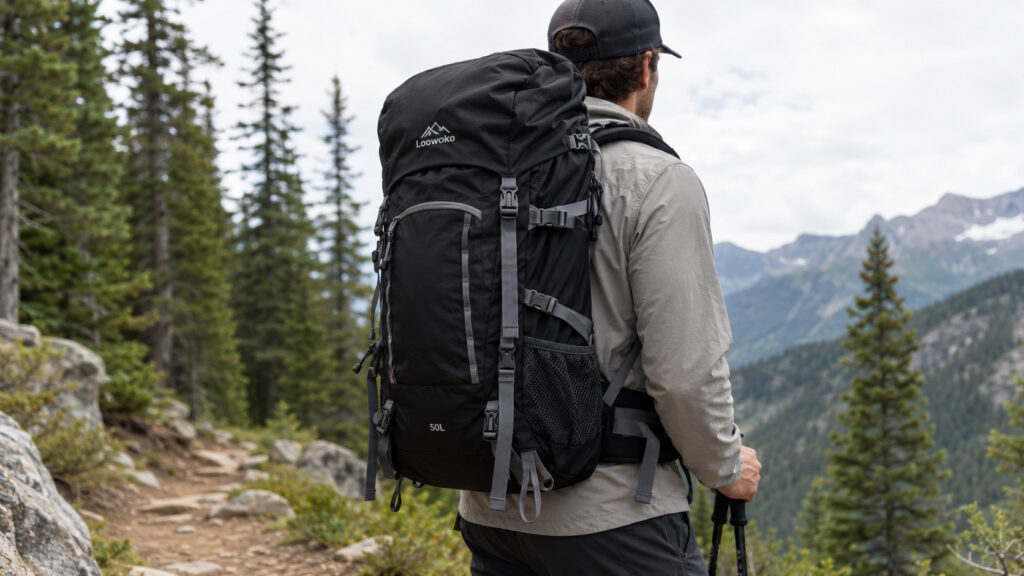
Organization is where the Loowoko separates itself from many simple budget rucksacks. The main compartment is joined by a lower-access zipper and a separate shoe or gear section. Six external pockets provide dedicated places for smaller items, while deep side mesh pockets can hold bottles or umbrellas. A hipbelt pocket keeps a phone, keys, snacks, or compact camera close.
Compression straps and external attachment points create options for a sleeping pad, tent components, trekking poles, or other long gear. External carry is useful when internal space is limited, but the pack works best when attached items are balanced and tight. A heavy object on one side can twist the load, and dangling straps can catch brush or swing with every step.
The lower access is particularly useful on a tall pack. Gear near the bottom can be reached without emptying the main compartment from the top. A consistent packing system makes that feature more effective. Sleep gear can occupy the lower area, camp equipment can sit in the middle, and layers or food needed during the day can remain higher or in external pockets.
The included raincover stores in a bottom pouch. The main fabric is described as water resistant and tear resistant, but the raincover adds protection during heavier weather. Critical insulation, electronics, and dry clothing should still be protected inside the pack because water can enter through openings or transfer from wet gear. A raincover and internal liner work best as complementary layers.
A Budget Pack for Capacity-First Hikers
The Loowoko 50L is best for hikers and travelers who want substantial capacity at low cost and low empty weight. Warm-weather backpacking trips, hostel or road travel, budget camping, and routes with moderate loads fit the design. The numerous pockets are helpful for users who prefer visible organization instead of a single large compartment.
The pack is less suitable for heavy traditional loads. A 50-liter volume can physically hold a surprising amount, but the frameless carry system becomes the limiting factor. Hikers who regularly carry 30 to 40 pounds are better served by a structured internal-frame model with a more supportive hipbelt. The Loowoko’s strengths appear when the gear list stays lighter.
Durability expectations should also match the price tier. The listing describes upgraded materials, stronger straps, and more durable zippers, but the pack is still competing on affordability. Inspect seams, buckles, and high-stress attachment points before major trips, and avoid dragging the bag across rock or overloading external straps. Basic care can extend the life of budget outdoor gear considerably.
For a hiker building an inexpensive setup, the Loowoko can free budget for footwear, shelter, or sleep gear while still providing useful capacity and weather protection. The key is knowing what it is: a lightweight, frameless 45+5-liter backpack with extensive organization. Treated as a moderate-load pack, it offers strong practical value.
Conclusion: Should You Buy the Loowoko 50L Backpack?
The Loowoko 50L Backpack is a capacity-first budget option for hikers and travelers carrying moderate loads. Its 45+5-liter layout, low listed weight, raincover, six external pockets, and numerous compression and attachment points make it unusually versatile for the price. The lack of an internal frame limits heavy-load comfort, but disciplined packing and lightweight gear can turn the Loowoko into a practical multi-day companion.