
MOUNTAINTOP 40L Backpack: Lightweight Weekend Value
The MOUNTAINTOP 40L Backpack offers 40 liters, a listed 2.2-pound weight, hydration compatibility, and useful external organization. Its light weight and simple carry system make the most sense for day hikes, travel, and streamlined two- to three-day trips rather than heavy traditional backpacking loads.
Pros
- 40L capacity at a listed 2.2 pounds
- Water-repellent 400D polyester
- Hydration-bladder compartment
- Two front zip pockets and two side bottle pockets
- Front stretch lashing and waist-belt pocket
- Can hold a 16-inch laptop for travel crossover
Cons
- No true load-hauling internal frame
- Hydration bladder is not included
- 40L is tight for bulky sleep systems
- Comfort depends heavily on keeping the total load moderate
A Light 40-Liter Pack with a Clear Mission
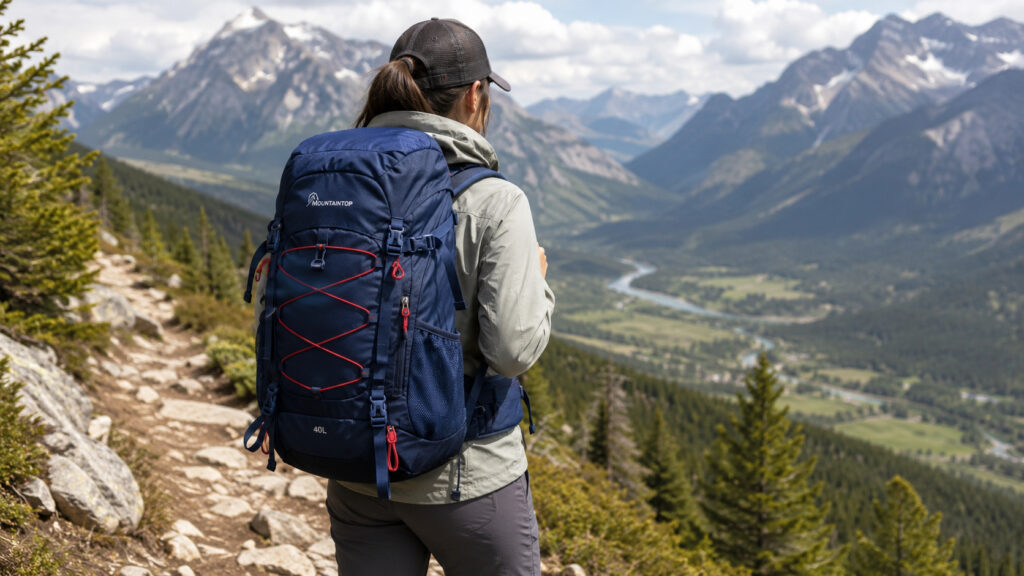
Forty liters is an interesting size. It is larger than a typical daypack but smaller than the 55- to 65-liter packs commonly used for traditional multi-day backpacking. The MOUNTAINTOP 40L fits that middle space and weighs a listed 2.2 pounds. The combination makes it appealing to hikers whose gear is already compact enough to avoid a large framed pack.
The product listing describes the pack for two- to three-day trips. That estimate assumes a relatively efficient gear list. A compact tent or hammock, small sleeping bag or quilt, minimal cook kit, and carefully chosen clothing can fit. Bulky synthetic bags, large tents, and extra camp luxuries can consume the volume quickly and push gear onto the exterior.
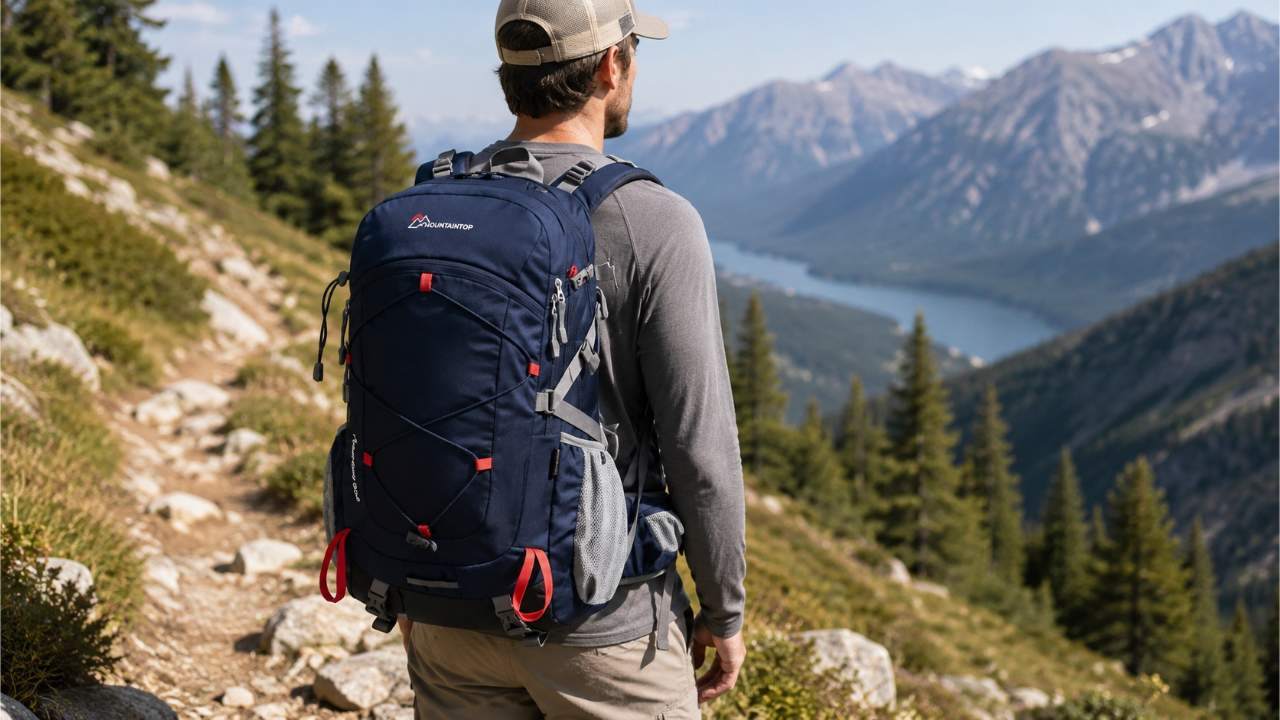
The simple carry system is another reason to keep the load moderate. Breathable mesh shoulder straps and a padded back panel provide comfort, while a sternum strap and waist belt help center the pack. The design does not provide the rigid load transfer of a true internal-frame backpack. Heavy items and excessive water can pull more directly on the shoulders if the pack is overloaded.
The MOUNTAINTOP makes the most sense when hikers treat 40 liters as a discipline rather than a challenge. A lighter, compact load allows the low empty weight to become a real advantage. Filling every strap with external gear and pushing the pack beyond its comfort zone defeats the reason to choose a simpler backpack in the first place.
Comfort Depends on Packing and Load Control
Frameless or lightly structured packs depend on the contents to help create shape. Dense items should sit close to the spine, where they have less leverage to pull the pack backward. Softer pieces can cushion the lower and outer areas. A folded sit pad or carefully positioned clothing can also prevent hard objects from pressing through the back panel.
The MOUNTAINTOP uses breathable mesh on the shoulder straps and back area, with sponge padding intended to reduce pressure. The chest strap includes a whistle buckle and helps keep the shoulder straps from spreading. The waist belt adds stability and includes a pocket for a phone or small trail item. It is useful for controlling movement, but hikers should not expect the same weight transfer produced by a stiff frame and sculpted hipbelt.
Adjustment should start with the waist belt positioned comfortably, followed by the shoulder straps and sternum strap. The pack should sit close enough to avoid sway but not so tight that the shoulder straps pinch or the sternum strap restricts breathing. A few minutes of walking with the exact trip load can reveal problems that are invisible when the pack is empty.
Total load is the limiting factor. The listing focuses on capacity and outdoor versatility rather than a specific load range. Conservative packing is the safer approach. The pack is better suited to lightweight weekend gear, travel contents, or day-hike equipment than to a 35-pound traditional backpacking load. Keeping weight moderate protects both comfort and the simpler suspension system.
Storage That Crosses Over from Trail to Travel
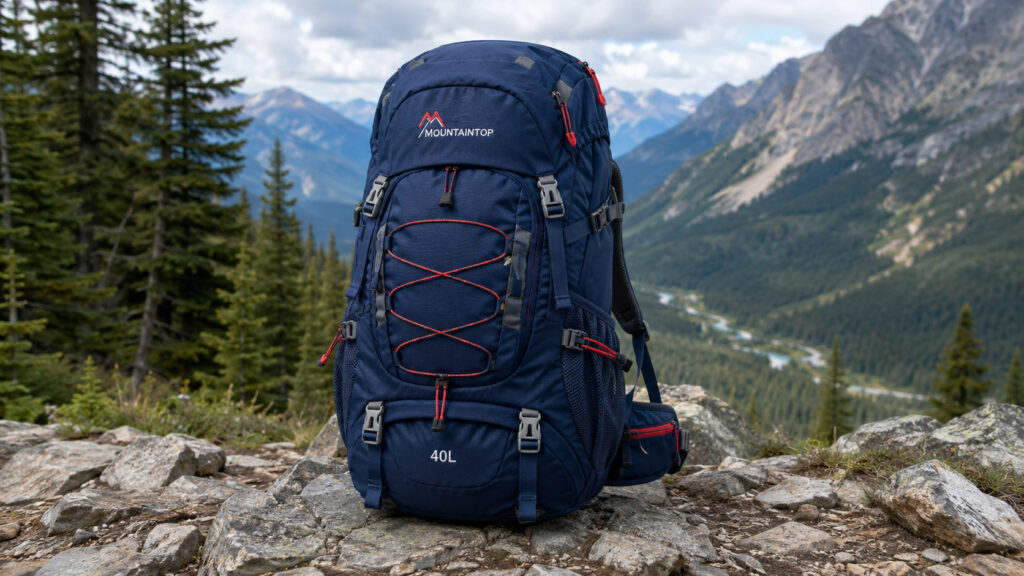
The 40-liter main compartment can accommodate a 16-inch laptop, which immediately gives the pack crossover value beyond hiking. A traveler can use the bag for clothing, electronics, and a light outdoor kit, while a hiker can dedicate the same space to a sleep system and camp equipment. A hydration-bladder compartment is built in, though the reservoir is not included.
Two zippered front pockets give small items dedicated storage. They are useful for a headlamp, first-aid kit, map, charging cable, or other pieces that should not disappear into the main compartment. Two side pockets handle bottles, and the front stretch lashing can secure a shell or climbing rope according to the product listing. The waist-belt pocket adds another quick-access option.
The pack uses water-repellent 400D polyester and YKK zippers. Water repellent does not mean waterproof. Sustained rain can still reach seams and openings, so a pack liner or interior dry bags remain smart choices for critical gear. The exterior fabric is better viewed as protection against brief showers, damp brush, and routine outdoor exposure rather than a substitute for a dry bag.
Organization is generous for the price, but every external pocket creates an opportunity to scatter gear. A consistent system helps: navigation and first aid in one pocket, snacks in another, water on the sides, and rain layers under the front lashing. The pack becomes easier to use when each storage area has a purpose instead of serving as a random place for whatever was last in hand.
Best for Streamlined Weekends and Flexible Travel
The MOUNTAINTOP 40L is best suited to hikers who already own compact gear or are willing to build a disciplined packing list. Warm-weather overnights, hut trips, hammock setups, and two- to three-day routes with resupply or reliable water access are good examples. The pack can also work as a larger daypack for photographers, climbers, or families carrying extra layers and food.
Travel is another strong use case. The laptop-friendly main compartment, multiple pockets, and 40-liter volume make the bag useful for road trips and general adventure travel. Airline sizing policies vary and should be checked directly, but the pack’s dimensions are listed around 21.7 by 13.8 by 9.8 inches, putting it in a size range many travelers will recognize as compact for a 40-liter bag.
Traditional backpackers with bulky equipment should be cautious. A large sleeping bag, thick pad, two-person tent, stove, food, and extra clothing can overwhelm 40 liters. Hanging multiple bulky items outside the pack increases snag risk and can destabilize the carry. A 55- or 65-liter framed pack is a better tool when the gear list genuinely needs that volume.
For budget-minded hikers and travelers carrying moderate loads, the MOUNTAINTOP offers a useful balance of capacity, low empty weight, and organization. Its limitations are straightforward: the carrying system is simpler and the volume demands compact gear. Those compromises are reasonable when the goal is an affordable weekend pack rather than a heavy-load expedition hauler.
Conclusion: Should You Buy the MOUNTAINTOP 40L Backpack?
The MOUNTAINTOP 40L Backpack is a practical affordable choice for streamlined weekend trips, larger day hikes, and adventure travel. A listed 2.2-pound weight, hydration compatibility, water-repellent 400D polyester, and multiple quick-access pockets create strong utility for the price. Hikers with bulky equipment or heavy loads should choose a framed pack, but lighter gear lists can make the 40-liter design feel efficient and versatile.