

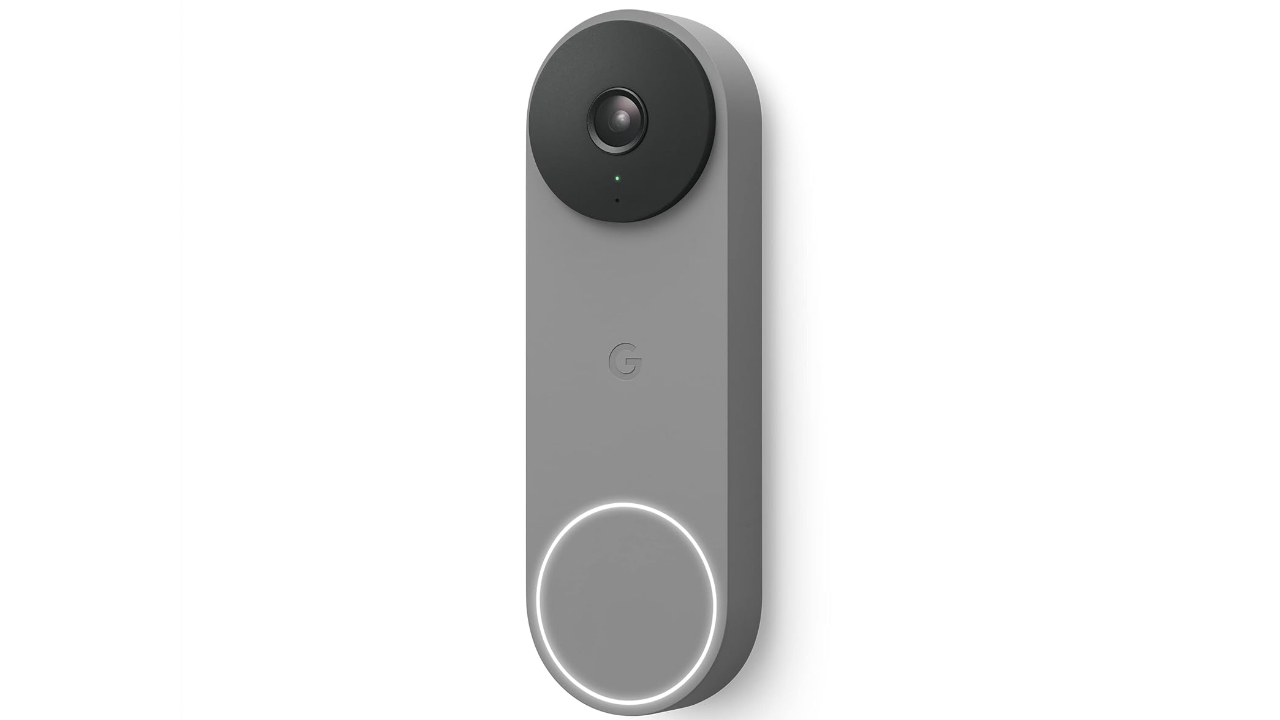
Google Nest Doorbell (Wired, 2nd Gen) Review – A wired, always-on smart doorbell
The Google Nest Doorbell (Wired, 2nd Gen) is a purpose-built wired video doorbell that aims to replace an existing hardwired chime and provide always-on monitoring with intelligent alerts through the Google Home ecosystem. This review explains what the product does, who it’s for, and which trade-offs to expect for buyers considering a wired smart doorbell. The Google Nest Doorbell is aimed at homeowners who want continuous, mains-powered video at the front door, direct integration with Google Home (and optional Alexa streaming), and manufacturer-backed intelligent detection features rather than a battery-based, occasionally offline camera.
Pros
- Always-on wired power: Continuous 24/7 video without recharging or swapping batteries, which simplifies long-term monitoring.
- Intelligent object alerts: The device reports people, packages, animals, and vehicles as distinct alert types in the Google Home app.
- Tall 145° diagonal field of view with 3:4 aspect ratio: Designed to capture head-to-toe framing and deliveries close to the door.
- HDR and night vision: Manufacturer lists HDR processing and night vision to preserve detail in mixed lighting and low light.
- Uses 43% post-consumer recycled materials, which is a clear sustainability commitment in the product spec.
Cons
- Requires compatible wired chime and transformer: Not a drop-in for every home; installation can require replacing existing hardware.
- Core advanced features gated behind Nest Aware subscription for longer history and familiar face detection (3 hours free event history only).
- Not compatible with the older Nest app or Nest website: The product requires the Google Home app and account, which may complicate setups that rely on legacy Nest tools.
Always-On, Wired Power: Why It Matters at Your Door
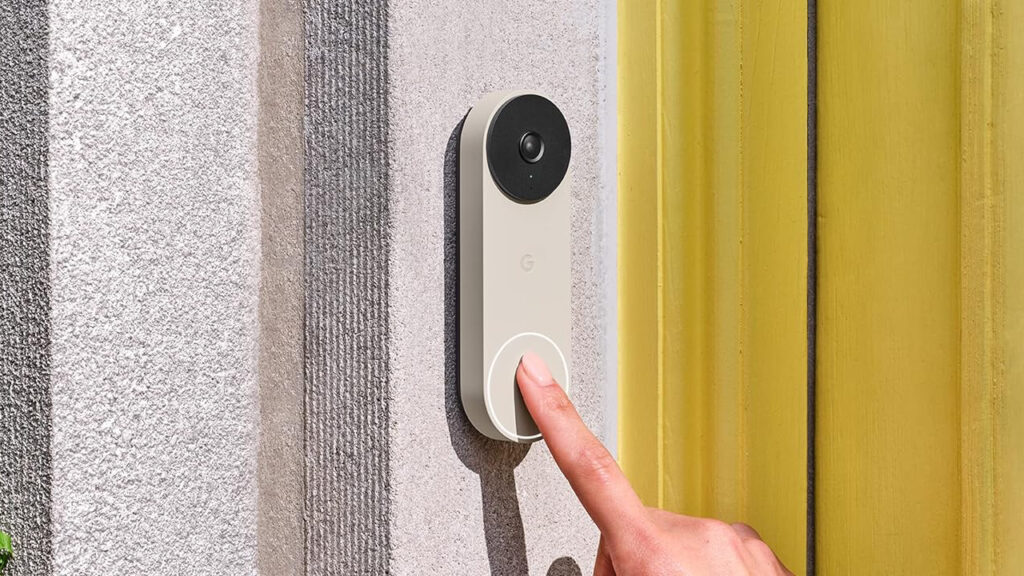
Image credit: Google
The listing emphasizes that this is a wired, always-on doorbell designed to replace a conventional wired chime; Google positions continuous power as the core operational advantage, explicitly noting the doorbell does not require recharging and provides 24/7 access to the video feed through the Google Home app. For buyers who want constant availability (for example monitoring deliveries or having live-view access at any hour), the mains power model removes the maintenance overhead of battery charging and delivers consistent uptime.
A second important specification is the 145° diagonal field of view with a 3:4 aspect ratio. That combination is presented to ensure a “taller” image so the camera can frame a person from head to toe and detect packages placed close to the door (the listing specifically calls out visibility to as close as 8 inches). For door placement and capture of door-step activity, that geometry favors vertical framing over a wide horizontal sweep, which is relevant for front-door use where vertical coverage of standing visitors or packages matters.
Google also lists HDR video and night vision among the imaging features, which addresses two common visual problems at entrances: strong backlighting during daytime and low light at night. HDR processing helps retain detail across bright and dark regions in the same frame (for example a doorway with sunlight behind a visitor), while night vision expands usable viewing after sunset. Those are core image quality elements that the official listing promotes as central to practical visibility.
Smart Extras and Thoughtful Design Choices You’ll Actually Notice
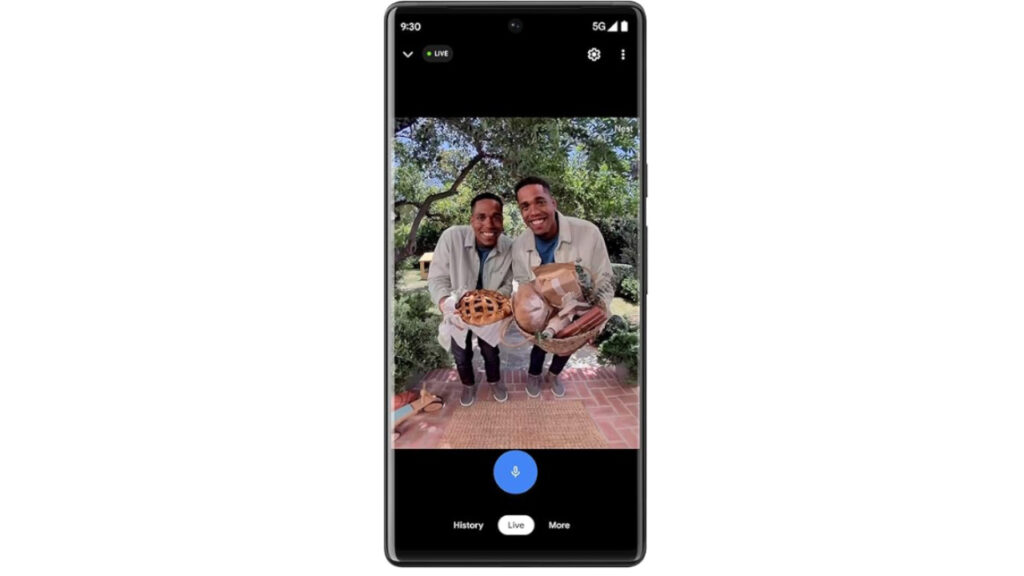
Image credit: Google
Beyond imaging, the Amazon listing highlights two-way audio, pre-recorded quick responses, and compatibility with Google Assistant and select Alexa and Nest speaker devices to use as chimes. The two-way talk capability and prerecorded messages are typical doorbell conveniences: they let owners respond without direct phone audio interaction, and integration with smart speakers broadens how an in-home chime or notification is handled. Those choices reflect a product designed to fit into an existing smart-home audio ecosystem rather than operate in isolation.
The product text calls attention to build materials and sustainability: the unit is made with 43% post-consumer recycled materials. That figure is a specific manufacturing claim that can factor into a buyer’s decision if environmental materials sourcing matters. Practically speaking, recycled material content is a statement about Google’s material choices rather than a functional performance metric, but it is a measurable design decision the manufacturer lists.
On installation and compatibility, Google is explicit that the wired Nest Doorbell “is designed to replace a wired doorbell” and that it requires a compatible chime and transformer (sold separately). That caveat matters because some homes’ existing doorbell transformers or chimes are incompatible with newer electronic doorbells; buyers should verify compatibility before purchasing. The listing also clarifies the product works with the Google Home app and a Google account rather than the older Nest app, so the device is tied to Google’s current smart-home software path.
How the Doorbell Performs in Everyday Life
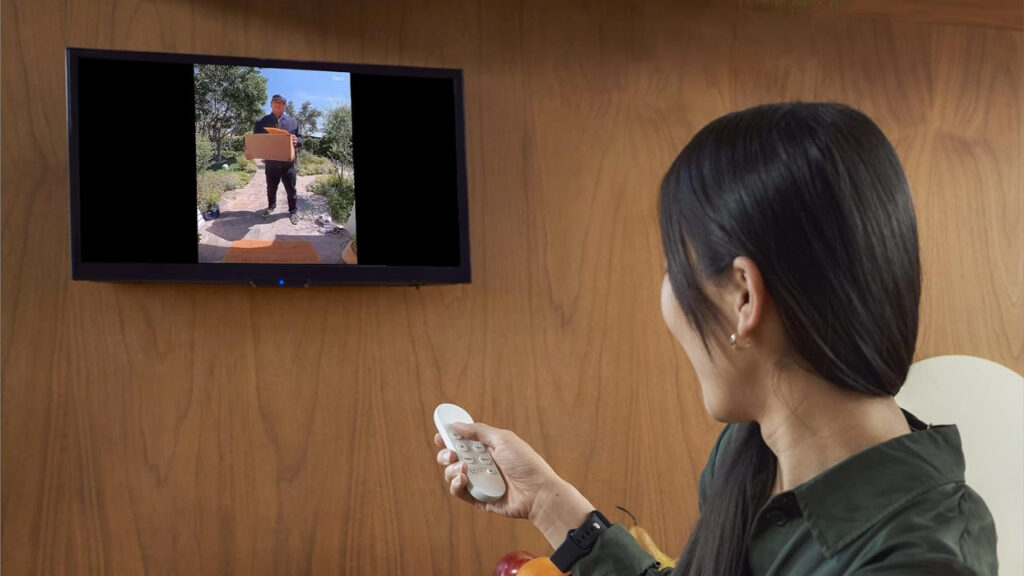
Image credit: Google
Google’s product copy emphasizes intelligent alerts that distinguish people, packages, animals, and vehicles; the implication in the official description is that the doorbell does onboard classification and surfaces relevant event types in the Google Home app. For someone focused on reducing false alarms or getting targeted notifications (for example, only being notified about packages), those listed detection categories are the features to evaluate in the purchase decision. The listing also notes that some of the more advanced detection and history features require a Nest Aware subscription.
The free, included baseline is modest: the device comes with three hours of free event video history available in the Google Home app (2-second previews, 5-minute clips). For users who need extended history or face recognition, Google specifies paid Nest Aware tiers that expand event history up to 30 days and add familiar face detection, and a Nest Aware Plus tier that can provide up to 10 days of continuous video recording. The manufacturer-documented distinction between free event clips and subscription-backed continuous recording is a practical trade-off buyers should consider when budgeting ongoing costs.
On connectivity and ecosystem behavior, the listing makes it clear the Nest Doorbell requires the Google Home app and a free Google account; it explicitly states the device is not compatible with the legacy Nest app or Nest site. That software dependency means a buyer who prefers the previous Nest interface or who manages devices through Nest’s older platform needs to plan for Google Home-centric management instead. The product also advertises the ability to stream to compatible Google Assistant and Amazon Alexa devices, which expands viewing and speaking options but still routes setup and alerts through Google Home.
Setup, Maintenance, and Real-Life Considerations That Count
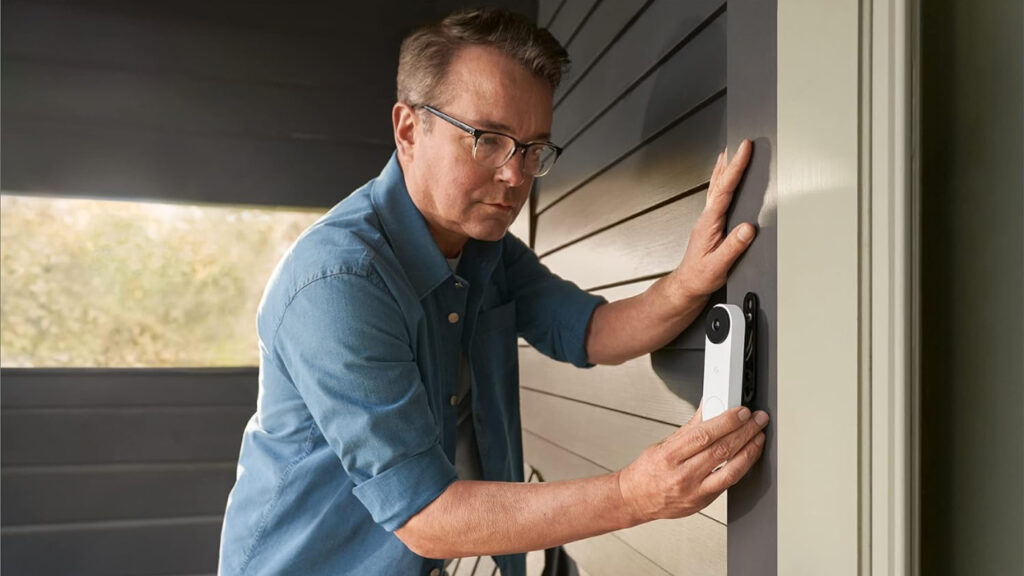
Image credit: Google
Because the Nest Doorbell is wired, installation requires a compatible chime and transformer; the listing warns prospective buyers that they “may need to replace existing hardware.” That is a real-world installation consideration. Some homes will have compatible infrastructure, and others will need an electrician or extra parts to meet the doorbell’s electrical requirements. The requirement for external chime hardware is a non-trivial upfront cost and potential hurdle for DIY installers.
On storage and privacy, the manufacturer provides a clear division: 3 hours of event history are included for free, while longer retention and familiar-face features involve paid Nest Aware tiers. The product also lists local recording among its special features, but the listing puts most emphasis on Google Home-managed cloud history and subscription options. Buyers should interpret the official descriptions to mean that while limited local/short-term storage is possible, long-term or continuous recording depends on subscription choices. Budgeting for Nest Aware, if multi-day history is required, is therefore an important practical consideration.
Finally, compatibility limits are explicitly stated: the product requires the Google Home app and account and is not compatible with the Nest app or site. That closure of older software pathways could be a deciding factor for customers who manage multiple legacy Nest devices or prefer certain interfaces. The listing also points toward third-party streaming compatibility (Google Assistant/Alexa), but setup, daily operation, and advanced detection are clearly framed as Google Home experiences per the official product description.
Conclusion: Should You Buy the Google Nest Doorbell?
If you want a mains-powered, always-on front-door camera that integrates into Google Home and prioritizes intelligent alerts (people, packages, animals, vehicles) with HDR and night vision, the Google Nest Doorbell (Wired, 2nd Gen) is a compelling, specification-led choice. The product’s strongest qualities are continuous power, a tall 145° field of view designed for door-step framing, and Google’s detection features; its meaningful drawbacks are the need for compatible chime/transformer hardware, the requirement to use the Google Home app (not the older Nest app), and the reliance on Nest Aware subscriptions for extended recording and face recognition. For homeowners with compatible wiring who plan to stay in the Google Home ecosystem and who accept subscription-tier tradeoffs for multi-day history, the device fits well; for people without compatible wired infrastructure, or anyone who wants long-term recording without a subscription, alternatives or additional setup costs are worth considering.