
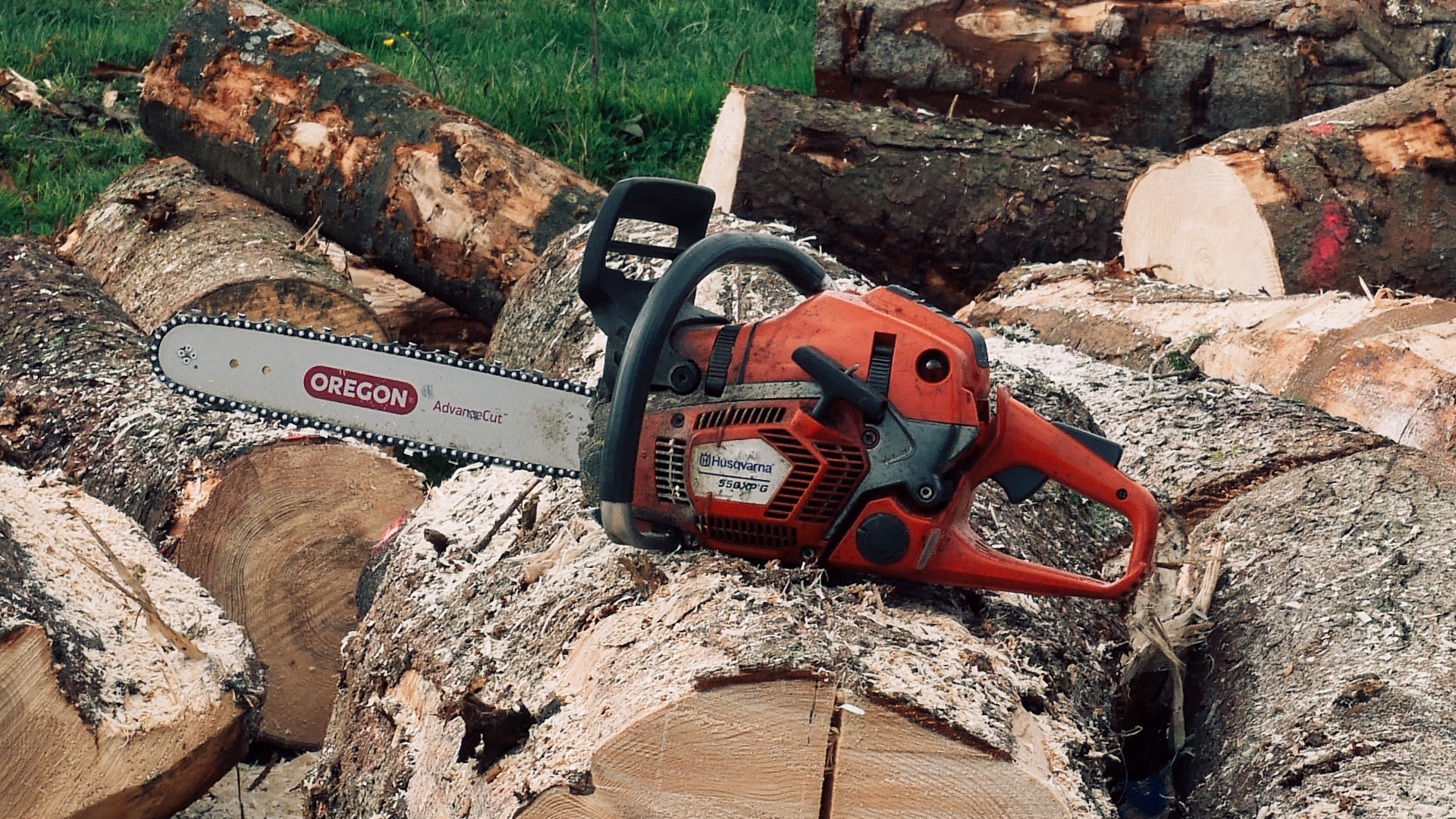
Best Chainsaws of 2026: Gas, Battery, and Budget Picks
The best chainsaws of 2026 balance cutting power, safety, and maintenance, whether you need gas muscle or cordless convenience. The right pick depends less on the biggest engine or longest bar and more on the work you actually do: pruning around the yard, clearing storm debris, cutting firewood, maintaining acreage, or handling farm and ranch jobs.
This updated roundup keeps the same practical lineup from the original chainsaw category article while cleaning up dated wording, clarifying model names, and correcting key specs where needed. Gas chainsaws still make sense for long, heavy cutting sessions. Battery chainsaws have become strong enough that many homeowners no longer need gas for routine property work. The best chainsaw is the one that matches your cutting volume, comfort level, maintenance tolerance, and storage situation.
A quick safety note belongs near the top of any chainsaw buying guide. Even smaller cordless chainsaws deserve proper protective gear, including eye protection, hearing protection, gloves, sturdy footwear, and chainsaw chaps when appropriate. Power matters, but control and preparation matter more.
| Best Overall | Bang for Your Buck | Best Budget | Best for Professionals | Best Battery-Powered |
|---|---|---|---|---|
| Husqvarna 450 Rancher | Greenworks Pro 80V Brushless Cordless Chainsaw | BLACK+DECKER 20V MAX Chainsaw Kit | ECHO CS-590 Timber Wolf | Makita XCU03PT1 Cordless Chainsaw |
 |  |  |  |  |
| A powerful gas chainsaw with Smart Start, LowVib, Air Injection, and the cutting strength to handle firewood, storm cleanup, and acreage maintenance. | A strong 18-inch cordless chainsaw with brushless power, push-button starting, and impressive cutting capacity for homeowners who want to avoid gas. | A lightweight 10-inch cordless saw for pruning, trimming, and small cleanup jobs where affordability and ease of use matter most. | A rugged 59.8cc farm and ranch chainsaw with serious cutting power, adjustable oiling, and bar options for demanding work. | A polished 36V cordless chainsaw using two 18V LXT batteries, brushless power, and tool-less adjustment for clean, capable cutting. |
What Is a Chainsaw?
A chainsaw is a portable cutting tool that uses a fast-moving chain with sharp teeth rotating around a guide bar. Chainsaws can be powered by gas engines, corded electric motors, or rechargeable batteries. They are used for tree maintenance, pruning, bucking logs, storm cleanup, land clearing, firewood preparation, and professional forestry work.
For 2026 buyers, the biggest choice is usually gas versus battery. Gas chainsaws still offer the best endurance for long sessions and large wood. Battery chainsaws are cleaner, easier to start, quieter, and easier to store, making them excellent for homeowners and many property-care tasks. Corded models can be useful near an outlet, but most modern buyers prefer the mobility of gas or battery.
Why Buy a Chainsaw?
A chainsaw saves time when branches, logs, or fallen trees are too large for hand tools. For homeowners, that can mean trimming storm-damaged limbs, cutting small logs, maintaining wooded edges, or preparing occasional firewood. For landowners and professionals, a chainsaw can be an essential part of regular maintenance, cleanup, and tree work.
The best chainsaws also give you control over your own property schedule. Instead of waiting for help with every fallen branch or paying for every small cleanup job, a properly chosen chainsaw lets you handle manageable cutting tasks safely and efficiently. The key phrase is properly chosen. A small cordless model is wonderful for pruning but frustrating for large hardwood. A 60cc gas saw is powerful, but excessive for light yard work.
That is why this 2026 guide includes both gas and cordless chainsaws. The Husqvarna and ECHO models bring serious gas power. The Greenworks and Makita models show how capable battery saws have become. The BLACK+DECKER remains a sensible budget pick for light-duty work. Together, they cover a wide range of real buyers rather than pretending one saw is perfect for everyone.
Chainsaws: What to Look For
When comparing the best chainsaws, focus on the work you will do most often. A bigger bar and stronger motor can be useful, but extra size also adds weight, noise, maintenance, and risk. These are the criteria that matter most:
- Power source: Gas offers endurance and heavy-duty strength, while battery offers easier starts, cleaner storage, and lower maintenance.
- Bar length: Shorter bars are easier to control; longer bars cut larger wood but require more skill and awareness.
- Cutting capacity: Match the saw to the diameter of the branches, logs, or trees you expect to cut regularly.
- Weight and balance: A saw that is too heavy becomes tiring and less safe during long sessions or awkward cuts.
- Safety features: Look for a chain brake, front hand guard, low-kickback chain, and a design that encourages two-handed control.
- Maintenance needs: Gas saws need fuel care and engine upkeep; battery saws still need chain sharpening, tension checks, and bar oil.
- Battery ecosystem: For cordless models, batteries and chargers can affect total cost as much as the saw itself.
- Noise and location: Gas saws are louder and produce exhaust; cordless saws are easier to use in neighborhoods.
- Warranty and parts support: Chains, bars, batteries, filters, spark plugs, and service access all matter over time.
- Experience level: Beginners should prioritize control, safety features, and manageable size over maximum power.
Best Overall: Husqvarna 450 Rancher
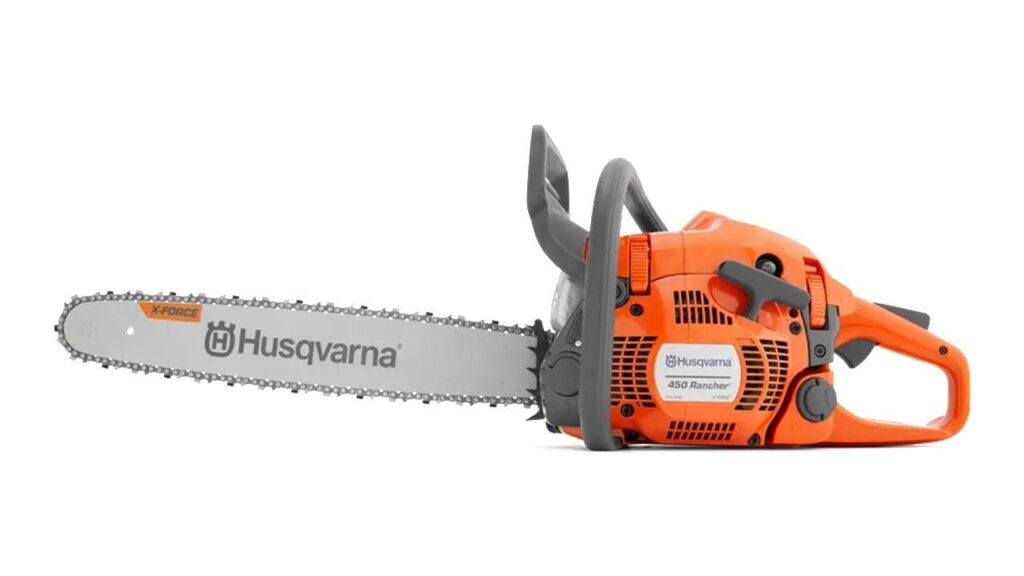
Image credit: Husqvarna
The Husqvarna 450 Rancher earns the best overall spot because it offers a strong balance of power, usability, and durability for serious homeowners and landowners. The current 450/450S Rancher family is built around a 50.2cc engine with a 20-inch bar option, Smart Start, LowVib, Air Injection, and an inertia-activated chain brake. That feature set makes it more approachable than older gas saws while still delivering the cutting strength people expect from a Rancher model.
This is the saw to consider if your jobs include firewood, downed trees, storm cleanup, and regular acreage maintenance. It is not the lightest or lowest-maintenance choice, but it has the stamina and torque to handle work that smaller cordless chainsaws may struggle with. Buyers who want one dependable gas chainsaw for recurring outdoor work will find it hard to ignore.
Bang for Your Buck: Greenworks Pro 80V Brushless Cordless Chainsaw
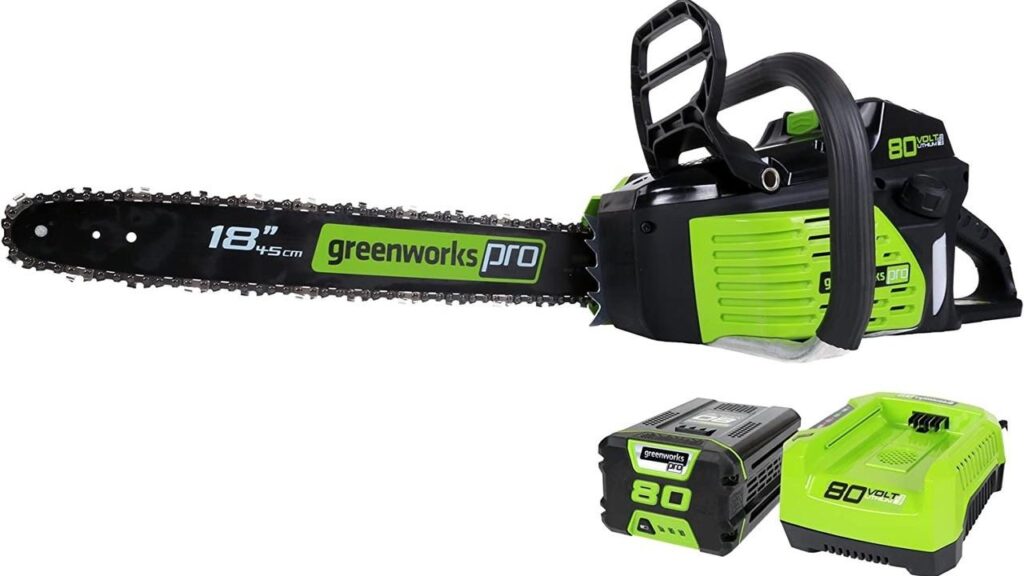
Image credit: Greenworks Pro
The Greenworks Pro 80V 18-inch cordless chainsaw is the value pick for buyers who want battery convenience without settling for a tiny pruning saw. Current and recent Greenworks 80V 18-inch configurations pair a brushless motor with an 18-inch bar, automatic oiling, push-button start, and strong advertised cut counts that vary by battery bundle. The important takeaway is that this saw can handle real homeowner cutting, not just light trimming.
It is especially appealing for people who want to avoid gas maintenance but still need enough bar length and power for storm debris, branches, small logs, and occasional firewood. A second battery is a smart upgrade for bigger projects, but even with that added cost, the Greenworks Pro offers one of the strongest combinations of power, convenience, and long-term platform value.
Best on a Budget: BLACK+DECKER 20V MAX Chainsaw Kit
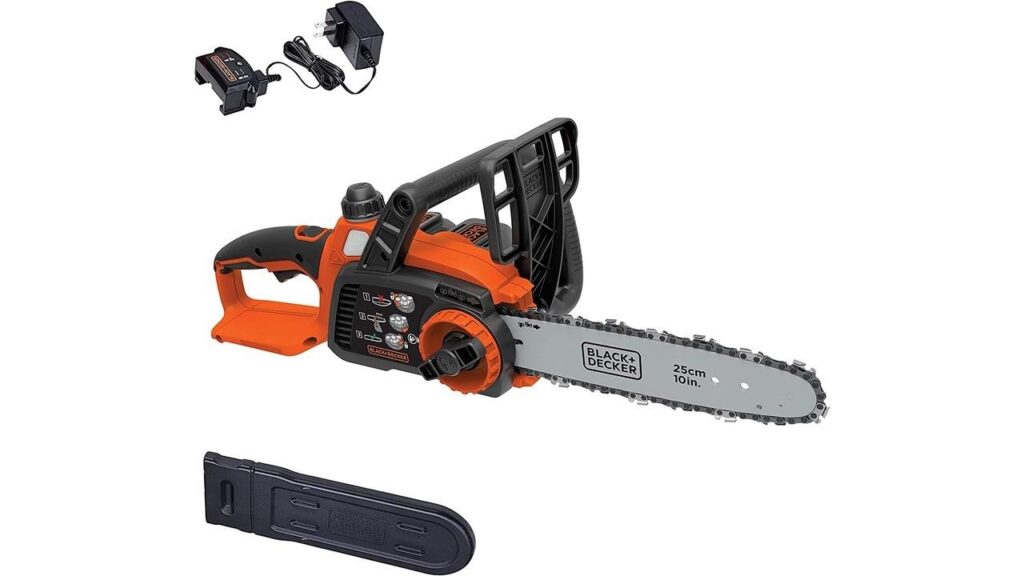
Image credit: BLACK+DECKER
The BLACK+DECKER 20V MAX Chainsaw Kit is the best budget choice because it keeps the focus on light-duty home use. With a 10-inch bar, an 8-inch cut capacity, tool-free chain tensioning, and battery-powered operation, it is designed for pruning, trimming, and quick cleanup jobs rather than heavy felling or firewood production.
That limitation is exactly what makes it useful. Not everyone needs a large gas saw or an expensive 80V cordless model. Many homeowners need a compact tool for a few fallen branches after a storm or routine yard maintenance. The BLACK+DECKER is easy to store, easy to start, and much less intimidating than larger saws. For occasional light work, that is a compelling package.
Best for Professionals: ECHO CS-590 Timber Wolf
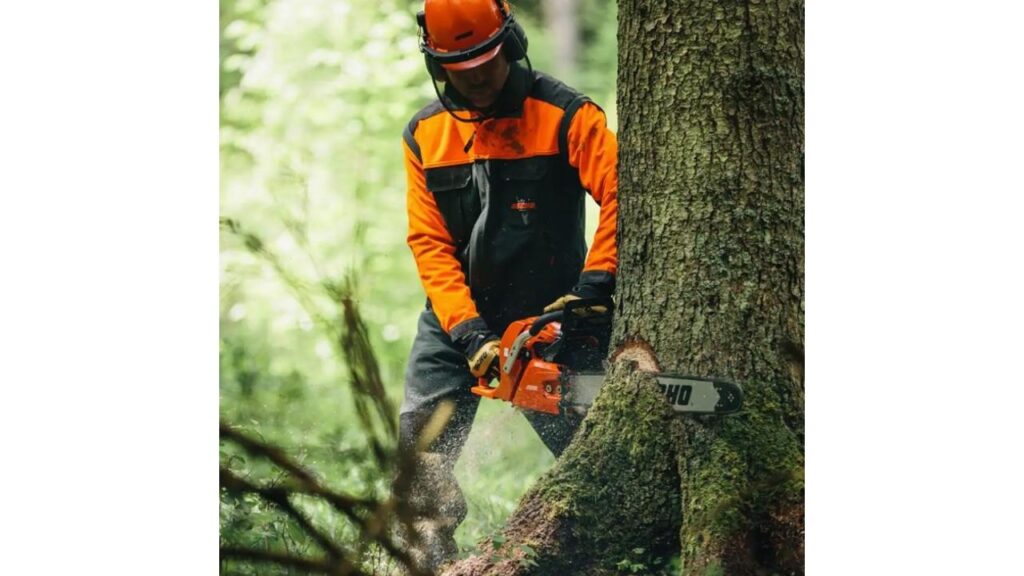
Image credit: ECHO
The ECHO CS-590 Timber Wolf is the professional-leaning pick for users who need serious gas power. Its 59.8cc engine, 18-, 20-, and 24-inch bar options, automatic adjustable clutch-driven oiler, and heavy-duty air filter make it well suited to farm, ranch, and heavy property use. The official dry weight is 13.2 pounds without bar and chain, so it is substantial without being as heavy as the old draft suggested.
This is not a casual backyard pruning saw. It is for cutting larger logs, felling, bucking, storm cleanup, and work that benefits from sustained gas-engine output. It asks for more maintenance and confidence than cordless models, but it gives back power and endurance. For demanding users, the CS-590 remains one of the most compelling gas chainsaws in its class.
Best Battery-Powered: Makita XCU03PT1 Cordless Chainsaw
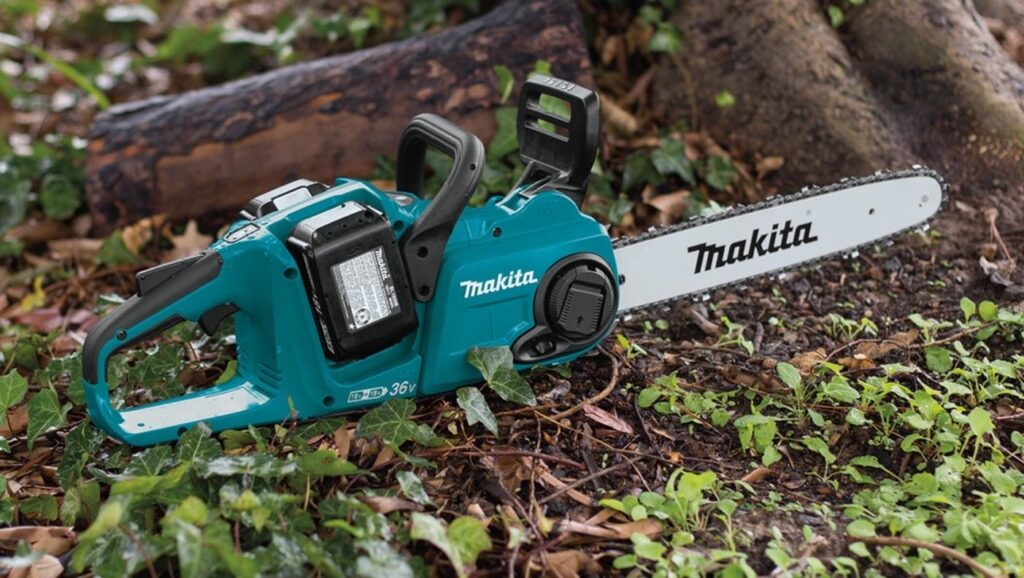
Image credit: Makita
The Makita XCU03PT1 is the best battery-powered pick for buyers who want a refined cordless chainsaw built around a proven tool platform. It uses two 18V LXT batteries at once to deliver 36V performance, and the kit includes four 5.0Ah batteries plus a dual-port charger. Makita rates the brushless motor as comparable to a 32cc gas saw, which sets realistic expectations: strong cordless performance, but not a replacement for a large ranch saw.
The 14-inch bar, variable-speed trigger, tool-less chain adjustment, and quiet operation make it excellent for homeowners, landscapers, and Makita users who want clean cutting power without fuel mixing or exhaust. It is expensive if you are starting from scratch, but it is a smart premium pick for anyone already invested in Makita LXT batteries.
Final Thoughts
Selecting the best chainsaw comes down to balancing power, convenience, safety, and maintenance. Modern chainsaws cover a wider range than ever, from heavy-duty gas models built for farm and ranch workloads to lightweight battery-powered tools made for quick residential cleanup. The most useful saw is the one that fits your normal work, not the most powerful tool on the shelf.
For heavy cutting and firewood, the Husqvarna 450 Rancher and ECHO CS-590 Timber Wolf are the stronger choices. For homeowners who want cordless convenience with serious capability, the Greenworks Pro and Makita XCU03PT1 are excellent options. For smaller jobs and tighter budgets, the BLACK+DECKER 20V MAX remains a practical pick. Match the saw to the wood, maintain the chain, wear the right gear, and the right chainsaw can be a reliable tool for years.
ation (and by using the tool responsibly) you can choose a chainsaw that delivers lasting reliability and precision for years to come.
What safety precautions should I take when using a chainsaw?
Chainsaws are powerful tools that require careful handling to prevent accidents. Always wear appropriate safety gear, including protective clothing, gloves, goggles, and ear protection. Familiarize yourself with the chainsaw’s safety features and proper operating procedures outlined in the user manual. Avoid working alone, especially when using larger chainsaws or tackling challenging tasks. Take regular breaks to prevent fatigue, and never operate a chainsaw while under the influence of alcohol or drugs.
How do I maintain a chainsaw for optimal performance?
Regular maintenance is essential for keeping your chainsaw in top condition. This includes cleaning the air filter, sharpening the chain, checking and adjusting chain tension, and lubricating the bar and chain. Follow the manufacturer’s guidelines for specific maintenance tasks and intervals. Additionally, inspect the chainsaw for any signs of wear or damage before each use, and address any issues promptly to prevent further damage or safety hazards.
What type of chainsaw should I choose for my needs?
The type of chainsaw you choose depends on your intended use and preferences. Gas-powered chainsaws offer greater power and mobility but require more maintenance and produce emissions. Electric chainsaws, both corded and cordless, are quieter and cleaner but may have limited mobility and runtime. Consider factors such as cutting capacity, ease of use, portability, and environmental impact when selecting a chainsaw.
Can I use a chainsaw for cutting materials other than wood?
While chainsaws are primarily designed for cutting wood, there are specialized chains and attachments available for cutting other materials such as concrete, metal, and ice. However, it’s essential to use the appropriate chainsaw and accessories for each material to ensure safe and efficient cutting. Consult the manufacturer’s recommendations and exercise caution when using a chainsaw for non-standard applications.
How do I store a chainsaw safely when not in use?
Proper storage is crucial for maintaining the longevity and performance of your chainsaw. Store the chainsaw in a dry, well-ventilated area away from moisture, extreme temperatures, and direct sunlight. Empty the fuel tank before long-term storage to prevent fuel deterioration and potential leaks. Keep the chainsaw out of reach of children and pets, and consider using a protective case or cover to prevent dust accumulation and damage during storage.
How do I safely start a chainsaw?
Follow the manufacturer’s instructions for starting your chainsaw, as procedures may vary depending on the model. Generally, starting a gas-powered chainsaw involves priming the engine, setting the choke, pulling the starter cord, and adjusting the throttle as needed. Electric chainsaws typically require pressing a start button or trigger after ensuring the chain brake is engaged and the saw is in a secure position. Always start the chainsaw on a flat surface and away from obstructions or bystanders.
What should I do if my chainsaw malfunctions or needs repairs?
If your chainsaw experiences any issues or malfunctions, stop using it immediately and assess the problem. Refer to the user manual for troubleshooting tips and instructions on basic repairs or adjustments. For more complex issues or repairs beyond your expertise, contact a certified technician or authorized service center for professional assistance. Attempting to repair or modify the chainsaw yourself could void the warranty or cause further damage.