

Picking the Best Portable Generators In 2026
The best portable generators are one of those tools that quietly save you from a lot of headaches. Whether it’s a weekend camping trip, an RV adventure, or a surprise blackout in the middle of a summer heatwave, having a reliable source of electricity can be a game changer. Over my 30 years covering tech, I’ve seen portable generators evolve from noisy, gas-guzzling beasts into compact, efficient, and surprisingly quiet powerhouses. Here’s a look at the best portable generators for 2026.
| Westinghouse WGen6000DFc EFI | DuroMax XP12000EH | Westinghouse iGen5000DFc | Champion 4500W Dual Fuel Inverter | Honda EU1000i Portable Generator | Jackery Explorer |
|---|---|---|---|---|---|
 |  | |  |  |  |
| A mid-range EFI-equipped portable generator designed for steady home backup power with improved fuel efficiency and simplified starting. | Designed for high-demand situations, this dual-fuel unit focuses on strong output, long runtime options, and flexible fuel use. | Quiet inverter technology and dual-fuel capability come together here in a model aimed at RV travel and lighter household backup loads. | A compact, quiet generator that blends portability, dual-fuel convenience, and built-in carbon monoxide safety shutoff. | A compact inverter generator focused on ultra-portable, quiet power for light-duty use and sensitive electronics. | A battery-based backup power unit that delivers quiet, fuel-free electricity for home essentials, travel, and short-term outage support. |
The best portable generators sit in a useful middle ground between doing nothing and building a full home backup system. They keep the refrigerator cold when the grid goes down, give a job site a little dignity, and let a campsite feel like civilization has not completely packed up and left town.
They are also devices that demand a little respect. The CDC and FEMA both stress outdoor use, distance from doors and windows, and dry placement because carbon monoxide and electrical shock are very real risks. Choosing the right model is not just about wattage. It is about matching output, runtime, fuel type, outlet layout, noise, and portability to the job you actually need it to do.
That is why the best portable generators still earn a place in garages, sheds, and RV storage bays. The right one can ride through storm season, support travel, or keep a few essential circuits running without turning the whole house into a science project.
The wrong one can be heavy, loud, short on runtime, or simply underpowered for the load at hand. This is where the old rules still hold up nicely. Know what you want to power, know how long you want to power it, and do not let the sticker on the box make the decision for you.
Westinghouse WGen6000DFc EFI: Steady Power With A Smarter Engine Setup
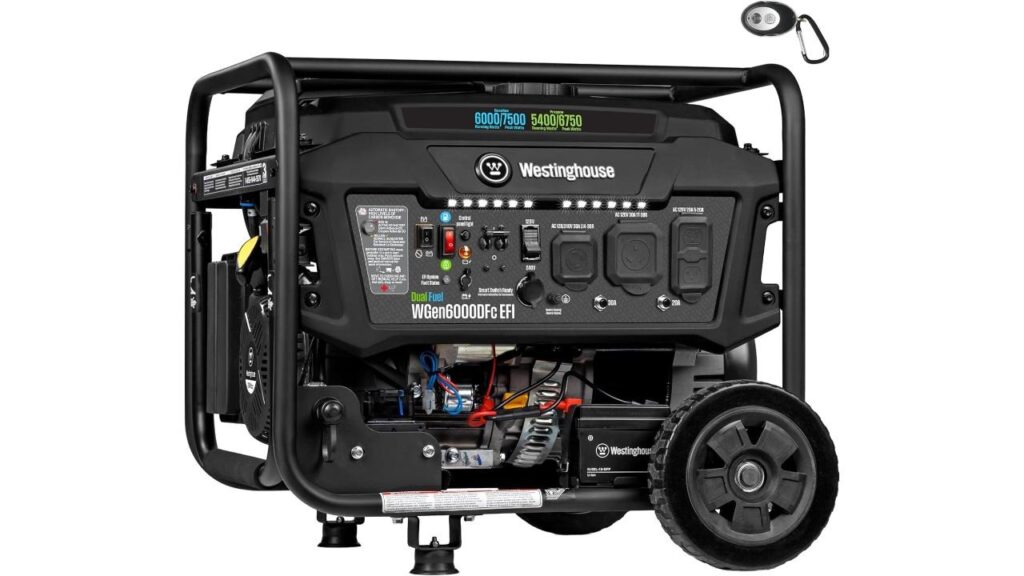
Image credit: Westinghouse
- Electronic fuel injection system designed for improved efficiency and more consistent starts
- Electric start with transfer switch readiness for home backup integration
- Built-in safety and monitoring features for more controlled operation during outages
The Westinghouse WGen6000DFc EFI represents a more modern take on the traditional home backup generator. The EFI system is the key shift here, replacing older carbureted behavior with a setup that is generally easier to start and more consistent across changing temperatures and storage conditions. That alone solves one of the more common frustrations people have historically had with mid-range portable generators.
This model is aimed at homeowners who want dependable backup power without stepping into oversized industrial territory. It fits comfortably into the role of running essential circuits like refrigeration, lighting, sump pumps, and communication equipment during outages. The electric start design keeps operation straightforward, and the transfer switch compatibility makes it easier to integrate into a home setup without a lot of improvisation.
What stands out most is how this generator feels tuned for routine readiness rather than occasional struggle. EFI systems tend to reduce the guesswork that comes with older fuel delivery designs, especially after periods of storage. It is not trying to be flashy or overcomplicated. It is built to start cleanly, run steadily, and handle the kind of power needs that define most real-world outages.
DuroMax XP12000EH: For the Bigger Load List
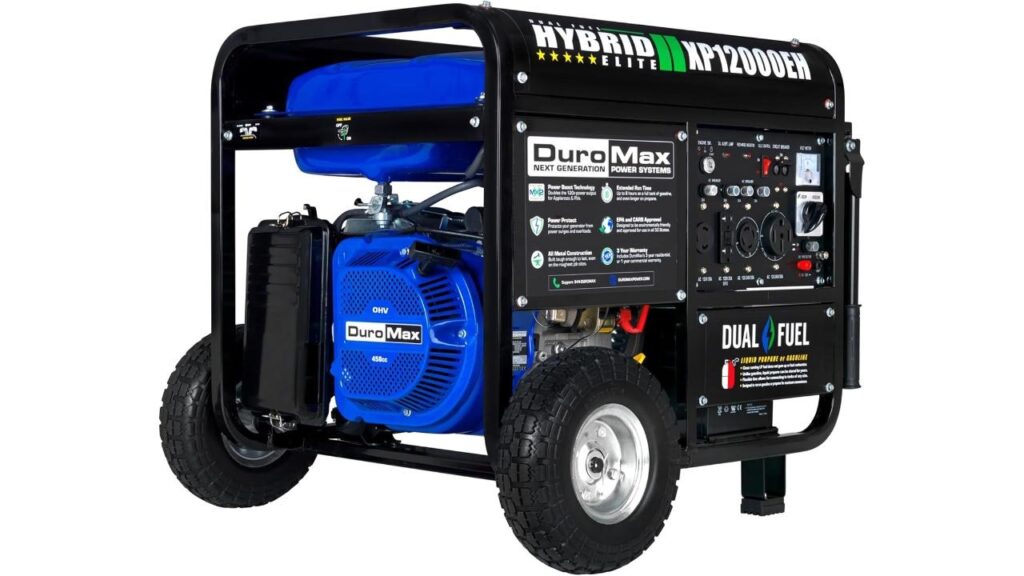
Image credit: DuroMax
- 12,000 peak watts and 9,500 running watts for demanding backup needs.
- Dual fuel operation with gasoline and propane.
- Electric start, wheel kit, and a three-year warranty.
The DuroMax XP12000EH is built with large jobs in mind. It uses a 457cc engine, offers dual fuel operation, and brings the kind of output that can support a long list of household essentials when utility power goes away. The brand leans hard into utility, and in this case that is exactly the point. Big output, metal construction, and a 74 dB rating tell you this is not a featherweight companion for a picnic table.
This is a good fit for buyers who want a backup generator with generous wattage, broad fuel flexibility, and a design that feels prepared for real outages. Propane can be a useful option for storage and emergency planning, while gasoline offers the familiar routine many owners already know. The wheel and handle kit helps, though at 224 pounds dry, this is still a machine that expects to be rolled, not casually carried. That is the tradeoff, and it is a reasonable one when the load is substantial.
The XP12000EH is a practical choice for homeowners who want portable generators that can serve as a serious backup appliance during extended outages. It does not chase the compact inverter crowd, and it does not need to. It is the large capacity answer for people who would rather size up once and get on with the rest of life.
Westinghouse IGen5000DFc: A Quietly Capable All Rounder
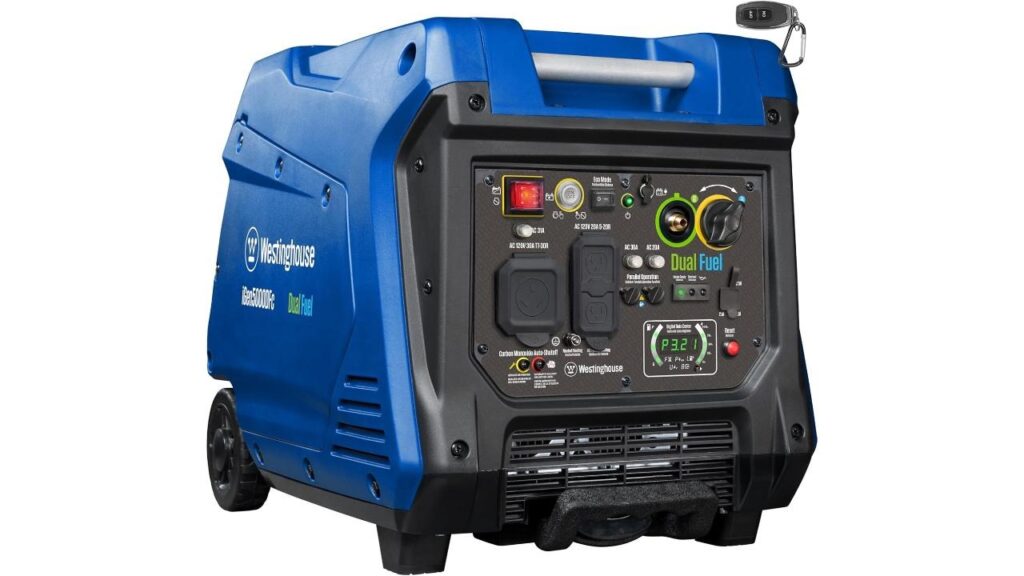
Image credit: Westinghouse
- 5,000 peak watts and 3,900 running watts on gasoline, with 4,500 peak watts and 3,500 running watts on propane.
- RV ready with a TT 30R outlet, USB ports, and parallel capability.
- Remote, electric, and recoil start with 52 dBA operation.
The Westinghouse iGen5000DFc is the kind of generator that feels designed by people who actually use portable generators. It is a dual fuel inverter with a 224cc engine, a 3.4-gallon tank, and a claimed 18-hour runtime at 25 percent load on gasoline. It also runs at 52 dBA, which puts it into the sort of quiet territory that makes camping and evening use feel much less like you have started a small municipal project next to the picnic table.
It suits RV owners, travelers, and homeowners who want a generator that can do backup duty without bringing the noise and bulk of a larger open frame model. The RV ready outlet, two household outlets, USB ports, and parallel capability give it a flexible feature set that fits modern life rather well. The old generator world was full of compromises. This one has fewer of them.
The dual fuel setup is the practical headline here. Gasoline gives the familiar default, while propane gives an alternate route for storage and outage planning. Add low total harmonic distortion, automatic low oil and CO related shutdown features on the Westinghouse product line, and a compact suitcase style frame, and you get a generator that feels tuned for people who want usable power without a lot of fuss.
Champion 4500W Dual Fuel Inverter: Useful, Quiet, And Thoughtful
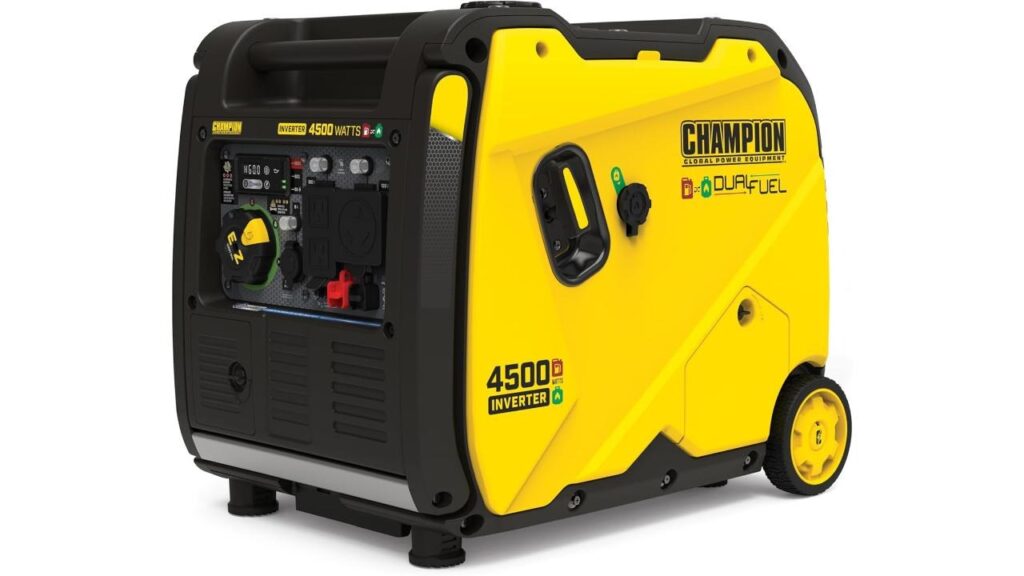
Image credit: Champion Power Equipment
- 4,500 starting watts and 3,500 running watts on gasoline.
- Dual fuel operation with up to 14 hours on gasoline or up to 21 hours on propane.
- CO Shield carbon monoxide auto shutoff, electric start, and 61 dBA operation.
Champion keeps this one focused on the kind of buyer who wants calm, portable power rather than a loud mechanical statement. The 212cc engine, inverter design, and quiet operation make it a comfortable fit for camping, tailgating, and RV use, while the CO Shield feature adds a useful layer of safety. That is not a bad combination in a category where the stakes are often higher than the marketing copy suggests.
It is also a generator with good habits. The Intelligauge display keeps track of voltage, frequency, and runtime, and the EZ Start Dial simplifies startup. The optional parallel kit gives buyers room to expand later, which is handy for anyone who begins with modest needs and discovers that devices multiply in the dark. They always do.
For buyers who want inverter power with dual fuel flexibility, this Champion lands in a very sensible place. It has enough output for essentials, enough quiet for close quarters, and enough runtime to feel dependable when the weekend gets longer than planned. That is usually the point at which a generator stops being a nice extra and becomes the thing everybody quietly appreciates.
Honda EU1000i Companion: Small, Polished, And Ready to Work with Others
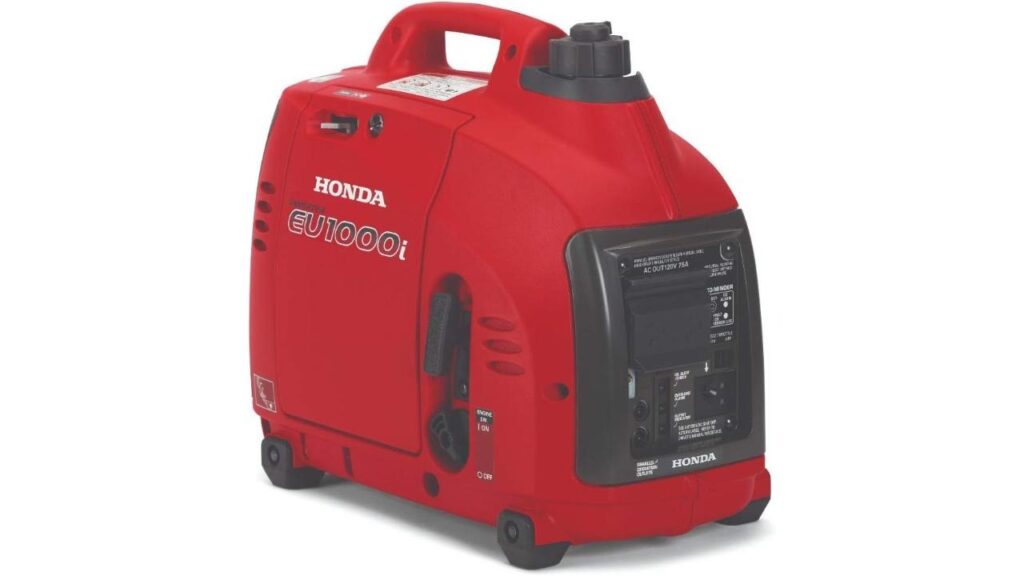
Image credit: Honda
- 1,000 watts maximum and 900 watts rated output for light power needs
- Lightweight design at around 29 pounds for easy transport
- Inverter technology delivering stable power for sensitive electronics
The Honda EU1000i Portable Generator is about as straightforward as portable power gets, and that is very much the point. With a compact frame and a 49cc engine, it is designed for small loads and easy transport rather than whole-home ambitions. It produces clean, stable power through its inverter system, which makes it a comfortable match for laptops, phones, small appliances, and other sensitive electronics.
This model fits best with users who value portability above all else. Campers, tailgaters, and anyone who wants portable generators that can be carried with one hand will find it appealing. It is also useful as a supplemental power source rather than a primary backup system. Think of it as something that keeps essentials running in a limited way rather than something that restores a household to normal operation.
What stands out here is refinement at a smaller scale. Honda’s inverter generators have long been known for smooth operation and relatively quiet performance, and the EU1000i continues that tradition. It is not trying to compete with larger units on output. It is designed to be easy to use, easy to store, and reliable when the job is modest but still important.
Jackery Explorer Portable Power Station: Clean, Quiet Power Without the Fumes
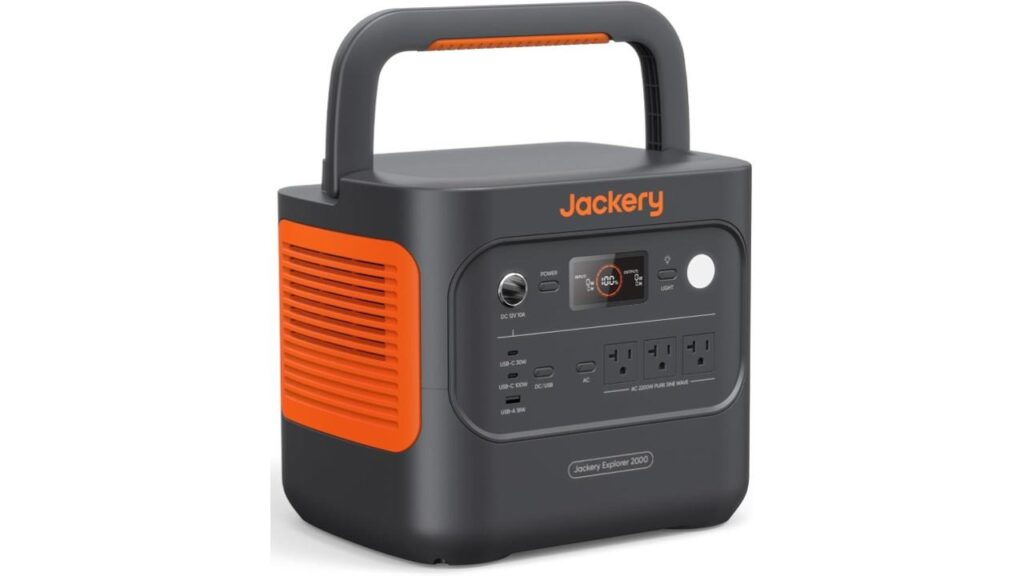
Image credit: Jackery
- 2042Wh LiFePO₄ battery capacity with long cycle life for extended service use.
- 2200W AC output with fast recharge support for essential home and outdoor devices.
- Compact, indoor safe design with quiet operation and multiple charging options including solar.
The Jackery Explorer Portable Power Station sits in a slightly different lane than traditional fuel generators. Instead of an engine and combustion, it uses a lithium iron phosphate battery system to store and deliver power. That shift removes fuel handling from the equation entirely, which changes how it fits into everyday use. There is no pull cord, no oil changes, and no exhaust. Just stored energy delivered through standard outlets and USB ports.
In practical terms, this model is aimed at users who want backup power for essentials without dealing with noise or fuel logistics. It is especially relevant for indoor safe emergency setups, RV living, and short duration outages where running a refrigerator, modem, lights, or medical equipment is the priority. The 2200W output ceiling keeps it in the same conversation as many mid-size gas generators, but the experience is closer to plugging into a large uninterruptible power supply than operating a small engine.
Where this unit stands out most is in day-to-day usability. It can be charged from a wall outlet, vehicle, or solar panels, and it operates quietly enough that it does not change the environment around it. That matters in homes where space is limited or in situations where keeping noise down is part of maintaining normal routines. It is not trying to replace high output construction generators or long duration fuel systems. It is designed for controlled, predictable use cases where simplicity is the priority.
Who Should Buy the Best Portable Generators?
Portable generators tend to earn their keep in households where power interruptions are more than a theoretical inconvenience. That can mean regions with seasonal storms, rural properties with longer utility response times, or even suburban homes where a downed line turns dinner plans into a flashlight exercise. The appeal is not complexity. It is continuity. Keeping a refrigerator cold, a sump pump running, or a modem online does not feel dramatic until it suddenly becomes the only thing that counts.
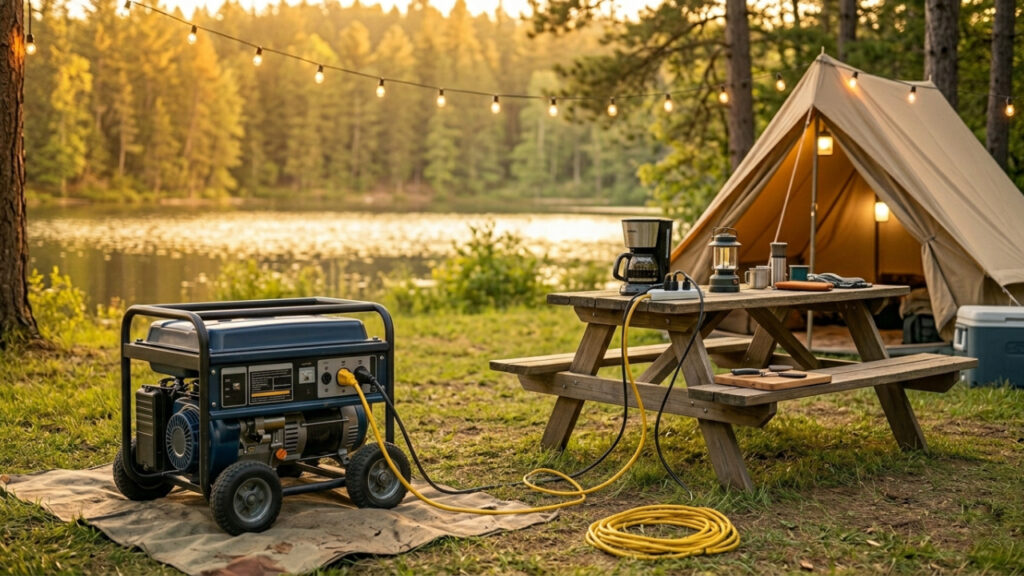
There is also a quieter category of buyer that shows up in this space. People who travel with RVs, spend weekends at campsites, or work on projects away from fixed power often find that a portable generator becomes part of their routine kit. It is less about emergencies and more about independence. The ability to bring familiar power along changes what can be done comfortably in places that were never designed for modern electrical demand.
Then there are households that simply want a buffer between themselves and the grid. Not a full redesign of home infrastructure, just a practical fallback when things go sideways. For those buyers, the decision is less about chasing maximum output and more about matching a generator to the specific set of appliances and habits it will support. That is where a little planning pays off, because once a generator is in place, it tends to stay part of the landscape for a long time.
What to Consider When Buying the Best Portable Generators
The first thing worth sorting out is power needs, and that is usually where people either overthink it or underestimate it. A generator is not measured in abstract wattage so much as in what it can realistically keep running at the same time. Refrigerators, sump pumps, lights, routers, and medical devices all draw different amounts of power, and the combined load tells the real story. It helps to think in terms of priorities rather than possibilities. Almost anything is possible if you add enough generator, but that is not the point.
Fuel type comes next, and it tends to shape the experience more than buyers expect. Gasoline is widely available and familiar, but it does require rotation and storage discipline. Propane stores more cleanly over long periods and burns differently under load. Dual fuel models offer flexibility that can feel reassuring during extended outages. Each option works, but each comes with its own rhythm of use, and that rhythm becomes familiar faster than most people anticipate.
Noise, portability, and runtime round out the practical side of the decision. Noise levels matter more when the generator is close to living space or used in campsites where conversation is part of the environment. Portability affects how often the unit actually gets deployed, since a generator that is difficult to move tends to stay in one place longer than intended. Runtime determines how often refueling interrupts everything else. Taken together, these factors usually end up shaping satisfaction more than raw wattage ever does.
Staying Safe with Your Portable Generator
Safety with portable generators starts with one rule that never really changes, no matter how advanced the equipment gets. These machines produce carbon monoxide, and that gas does not care how expensive or well-built the generator is. That means outdoor use only, with a clear buffer around doors, windows, and vents. It also means resisting the temptation to run a unit in a garage, even with the door open, since air flow in those spaces rarely behaves the way people assume it will.
The second layer of safety comes down to electrical setup. Extension cords should be rated for outdoor use and properly sized for the load, since thin or damaged cords heat up in ways that are not always obvious at first glance. Transfer switches are the cleanest way to connect a generator to a home circuit system, and they keep back feed from becoming a hazard for utility workers. That part tends to feel technical until it becomes routine, and then it is just part of how the system is used.
Weather and placement round out the practical concerns. Generators and water do not form a friendly combination, so keeping the unit dry during operation is essential. A simple canopy or purpose-built cover can help as long as airflow is preserved. It is also worth placing the generator on stable, level ground so vibration does not slowly turn into movement over time. These are small habits, but they are the ones that keep a generator useful over the long run rather than something that becomes a cautionary story.
How Much Power Do You Actually Need?
Figuring out power needs is where most generator decisions either come together or drift off course. It helps to separate the conversation into two layers. Running watts cover what a device needs to operate once it is already on, while starting watts account for the brief surge many appliances require at startup. Refrigerators and pumps are the usual culprits here, and they tend to surprise people the first time everything is connected and the breaker does not quite agree.
A practical way to think about it is in terms of priority circuits rather than total household ambition. In an outage, most people are not trying to recreate normal life. They are trying to keep food cold, water moving, and communication alive. That distinction makes it easier to decide what actually needs to be powered at the same time, which often leads to a more modest and efficient generator choice than the initial instinct suggests.
There is also a long-term benefit to sizing correctly. A generator that is consistently run near its limits tends to be louder, less efficient, and more stressed mechanically. One that is oversized can burn more fuel than necessary for light loads. The middle ground is not about perfection, it is about matching realistic usage patterns rather than theoretical maximums that rarely happen in practice.
Gas, Propane, Or Dual Fuel Explained
Fuel choice shapes how a generator behaves over time more than many people expect at first glance. Gasoline is the most familiar option and is widely available, which makes it convenient during short term outages or routine use. The tradeoff is storage discipline, since gasoline does not age gracefully and often requires stabilizers or rotation to remain reliable.
Propane changes the storage equation in a useful way. It can be kept for long periods without the same degradation concerns, which makes it appealing for emergency preparedness. It also tends to burn cleaner, which can reduce maintenance over time. The downside is energy density, since propane tanks take up more space and may deliver shorter runtimes under similar loads.
Dual fuel systems sit in the middle and offer flexibility that is hard to ignore. They allow users to switch between fuels depending on availability or situation, which can be especially useful during extended outages or travel. The tradeoff is added mechanical complexity, but for many buyers the ability to choose fuel on the fly is worth that small increase in system sophistication.
Inverter vs Conventional Generators
Conventional generators are the older, more direct approach. They run at a fixed engine speed and produce power continuously, which makes them strong and straightforward but not especially refined. They tend to be louder and less efficient at partial loads, but they remain popular because they are durable and capable of high output for the price.
Inverter generators take a different approach by converting raw engine output into clean, stable electricity. That allows them to adjust engine speed based on demand, which improves fuel efficiency and reduces noise in many situations. It also makes them safer for sensitive electronics like laptops, phones, and modern appliances with built in circuitry that prefers stable waveforms.
The distinction is not about old versus new so much as about use case. Conventional units still make sense when raw power is the priority, especially for construction or heavy load scenarios. Inverters tend to shine in settings where noise, portability, and electronic compatibility are part of the daily equation. Both approaches persist for a reason, and neither has fully replaced the other.
Maintenance And Long-Term Care
Generators are mechanically simple, but they reward consistency more than attention during emergencies. Oil changes are the most common maintenance task, and they are easy to overlook until a unit is needed after a long period of sitting idle. Fresh oil and a clean filter can make the difference between a smooth start and a frustrating afternoon.
Fuel management is another area where small habits pay off. Gasoline left sitting too long can cause starting issues, which is why stabilizers or periodic rotation are commonly recommended. Propane avoids some of that concern, but it shifts attention to regulator fittings and hose condition over time. Either way, a generator tends to behave best when it is not treated as a purely dormant device.
Periodic test runs are the quiet habit that ties everything together. Running a generator under load every so often keeps internal components lubricated and reveals issues before they become urgent. It also keeps the operator familiar with startup procedures, which is one of those small details that feels unnecessary until the moment it is not.
Noise, Placement, And Neighbor Reality
Noise is one of those specifications that looks abstract on paper but becomes very real once a generator is running outside a home or campsite. Decibel ratings give a baseline, but environment plays a large role. Hard surfaces reflect sound, while open space allows it to dissipate. The same generator can feel very different depending on where it is placed.
Placement also affects usability in subtle ways. Keeping a unit too close to living spaces increases exposure to sound and exhaust concerns, while placing it too far can create cable management issues or voltage drop over long extension runs. The practical sweet spot is usually a balance between distance, airflow, and convenience of access.
There is also the human factor. Neighbors notice generators, especially during outages when everyone is already paying closer attention to their surroundings. Thoughtful placement, reasonable operating hours when possible, and quieter inverter models can reduce friction in shared spaces. It is one of those areas where a small amount of planning tends to pay off socially as much as technically.
RV and Camping Use Cases
RV and camping use shifts the expectations for generators in noticeable ways. Instead of focusing on maximum household coverage, the goal becomes sustaining comfort systems and electronics without overwhelming the environment. Air conditioning, refrigeration, lighting, and device charging usually define the real workload.
Connection standards also become more important in this context. RV ready outlets, 30-amp plugs, and parallel capability can determine how easily a generator integrates into existing setups. Inverter generators are especially common here because they balance portability with cleaner power delivery and lower noise levels, which matters in close quarters.
There is also an etiquette layer that develops naturally in shared outdoor spaces. Quieter operation and efficient fuel use tend to be appreciated by everyone nearby. Over time, generator choice in RV contexts becomes less about raw capability and more about how smoothly it blends into daily routines without drawing attention to itself.
Final Thoughts: Matching Generator to Lifestyle
A generator purchase tends to work best when it follows actual patterns of use rather than imagined scenarios. That usually means thinking about how often outages occur, what absolutely needs to stay powered, and how much effort is reasonable when setting the system up. The goal is not to prepare for every possible situation, but to handle the ones that realistically show up.
There is also value in thinking long term. A generator is not a seasonal gadget for most owners. It becomes part of a household toolkit that sits quietly until needed, sometimes for years at a time. That makes reliability, ease of starting, and straightforward operation more important than feature lists that look impressive but rarely get used.
In the end, the best match is the one that feels simple to deploy when conditions are anything but simple. A generator that is easy to start, easy to connect, and easy to trust tends to earn its place over time. Everything else is just packaging around that core expectation.
Previous Best Portable Generators
Bang for Your Buck: DuroMax XP15000HX Generator
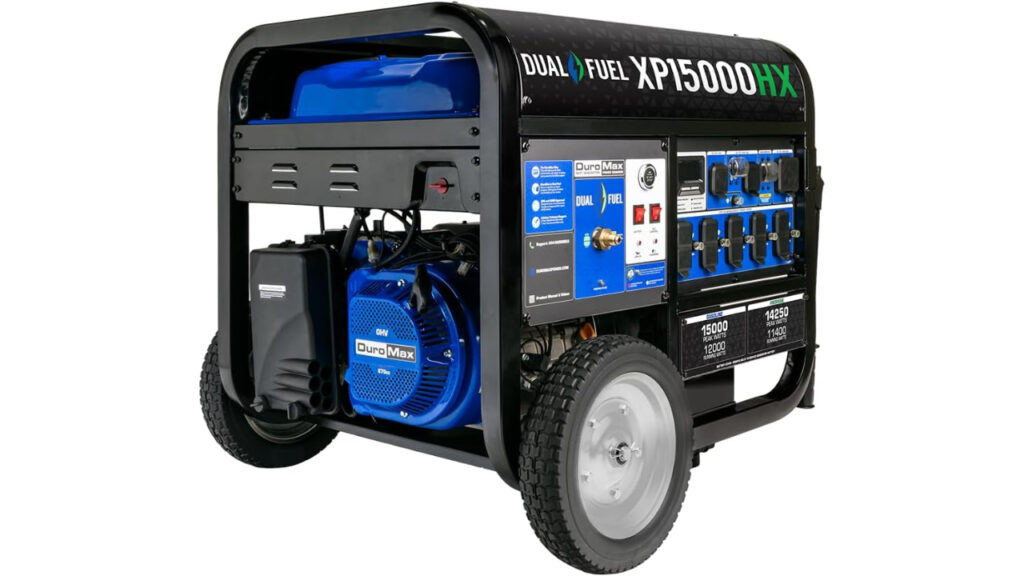
Image credit: DuroMax
Pros:
- Massive 15,000 starting watts and 12,000 running watts for whole-home backup.
- Dual fuel flexibility with gasoline or propane.
- Advanced control panel with digital multimeter and fuel interface.
Cons:
- Weighs 345 pounds, so plan your moving strategy.
- Higher price point relative to smaller units.
- Larger footprint may not fit every garage easily.
The DuroMax XP15000HX is the “I need serious power” option. With a 670cc OHV engine and all-copper windings, it’s designed to last years. Dual fuel allows gasoline for quick access or propane for longer shelf life and cleaner burning. The generator’s digital control center makes switching fuels, reading voltage, and monitoring maintenance hours simple. It’s also transfer switch ready, providing flexibility for whole-home backup. For construction sites, RV parks, or extended outages, this is the generator that makes smaller models feel like toys.
Best on a Budget: WEN 56200i 2000-Watt Gas Powered Portable Inverter Generator
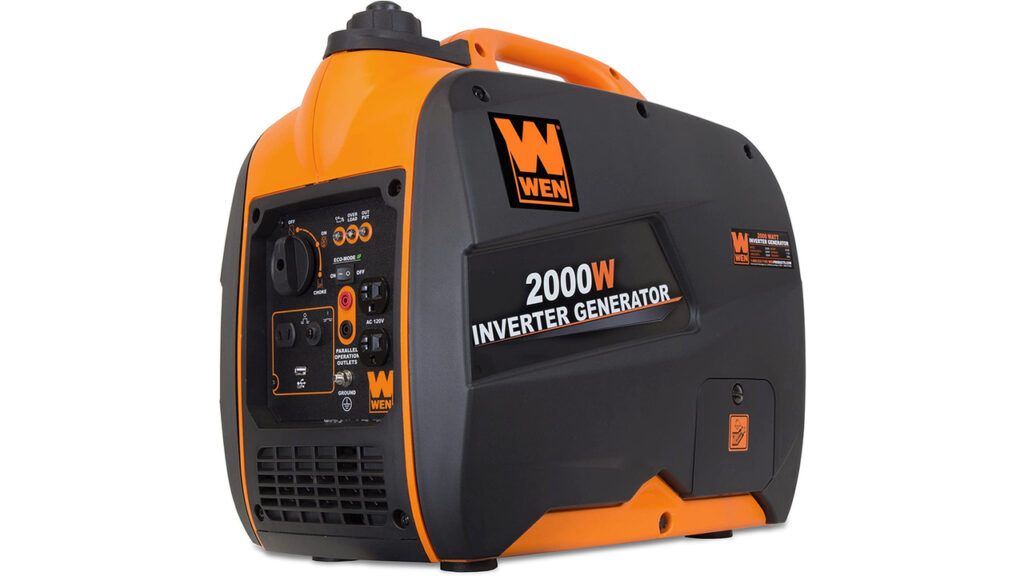
Image credit: WEN
Pros:
- Clean, quiet power with 51-decibel output.
- Eco-Mode Throttle extends fuel efficiency.
- Two-year warranty with nationwide support.
Cons:
- Only 2,100 starting watts, not for heavy loads.
- Lacks CSA certification.
- Requires a parallel kit to double power output.
The WEN 56200i remains an excellent entry point for quiet, portable power. The 79.7cc engine runs at whisper-quiet levels, making it perfect for camping, tailgating, or indoor-friendly uses like sensitive electronics. Eco-Mode adjusts fuel consumption automatically, squeezing extra hours from a one-gallon tank. For extra juice, you can link a second WEN with a parallel kit, but otherwise, it’s a solid, compact solution for light-duty power needs.
Best for Camping: Honda 664240 EU2200i 2200-Watt Portable Inverter Generator
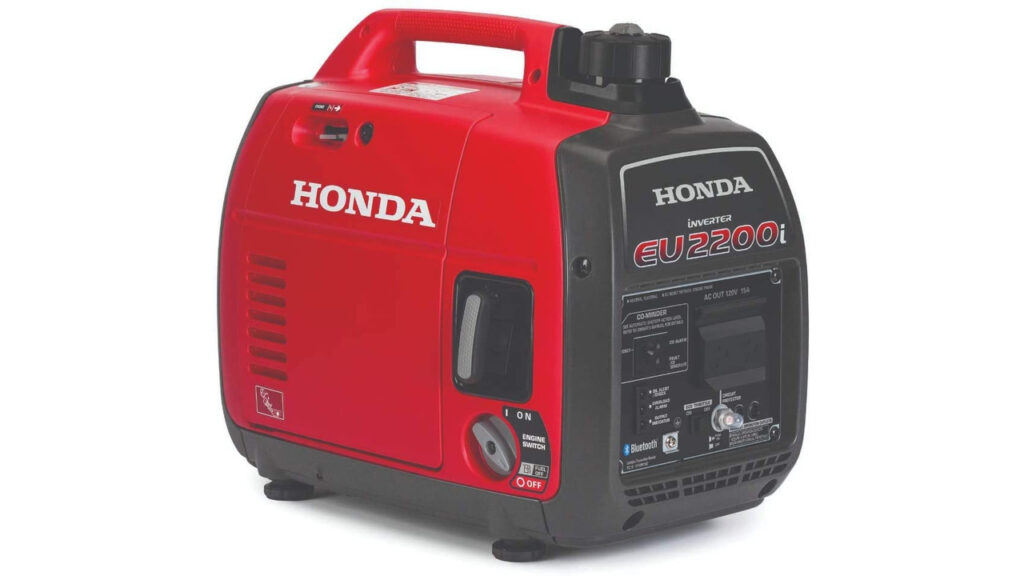
Image credit: Honda
Pros:
- GXR120 Commercial Series engine provides smooth, quiet power.
- Bluetooth-enabled My Generator app for remote monitoring.
- CO-MINDER system ensures safety during operation.
Cons:
- Higher price than other portable options.
- Small fuel tank means more frequent refueling.
- Slightly higher fuel consumption compared to other inverters.
The Honda EU2200i continues to shine as a compact, quiet, and reliable generator. Its 121cc GXR120 engine delivers 10% more power than the EU2000i while maintaining a lightweight footprint. The My Generator app offers monitoring and remote start/stop via Bluetooth, which is as close to sci-fi convenience as you can get in a portable generator. CO-MINDER keeps an eye on carbon monoxide levels, shutting the unit down before things get dangerous. It’s ideal for tailgating, camping, or any scenario where portability, quiet operation, and safety are paramount.